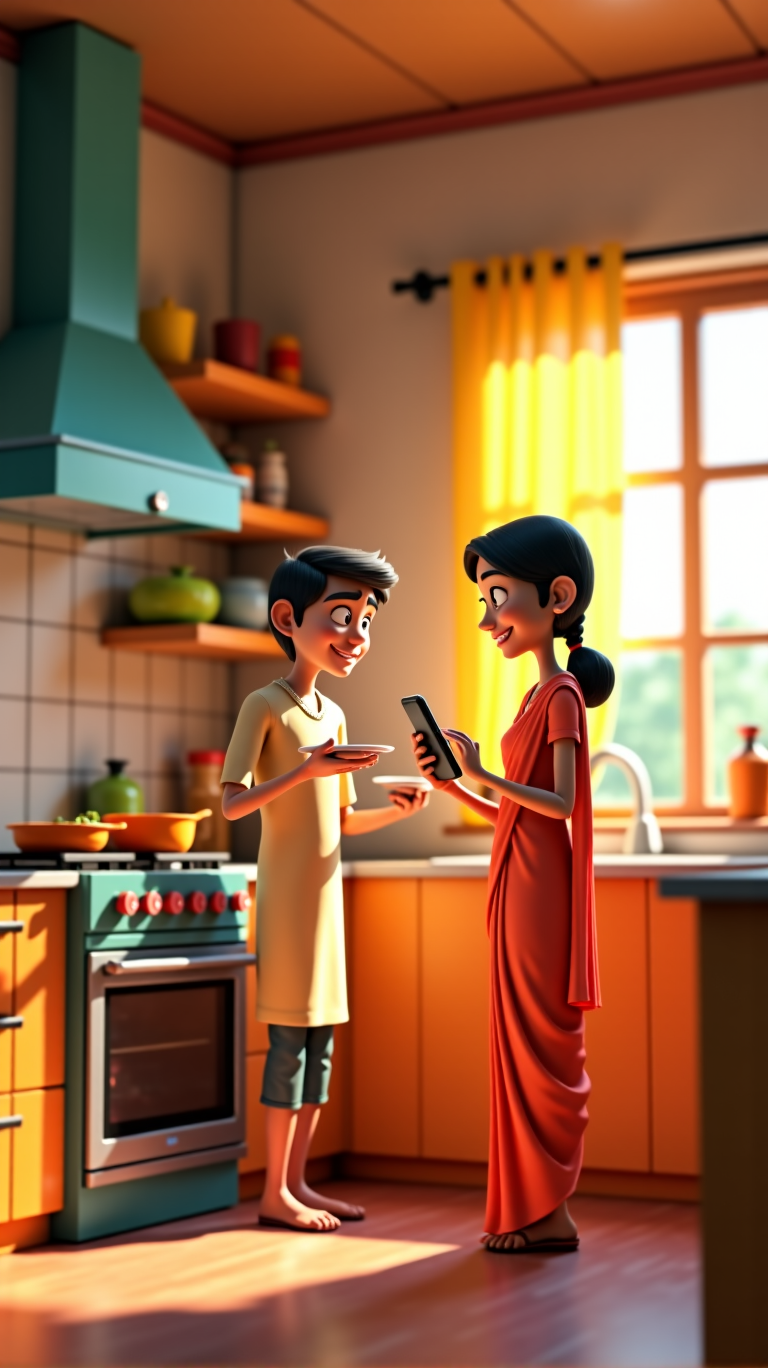
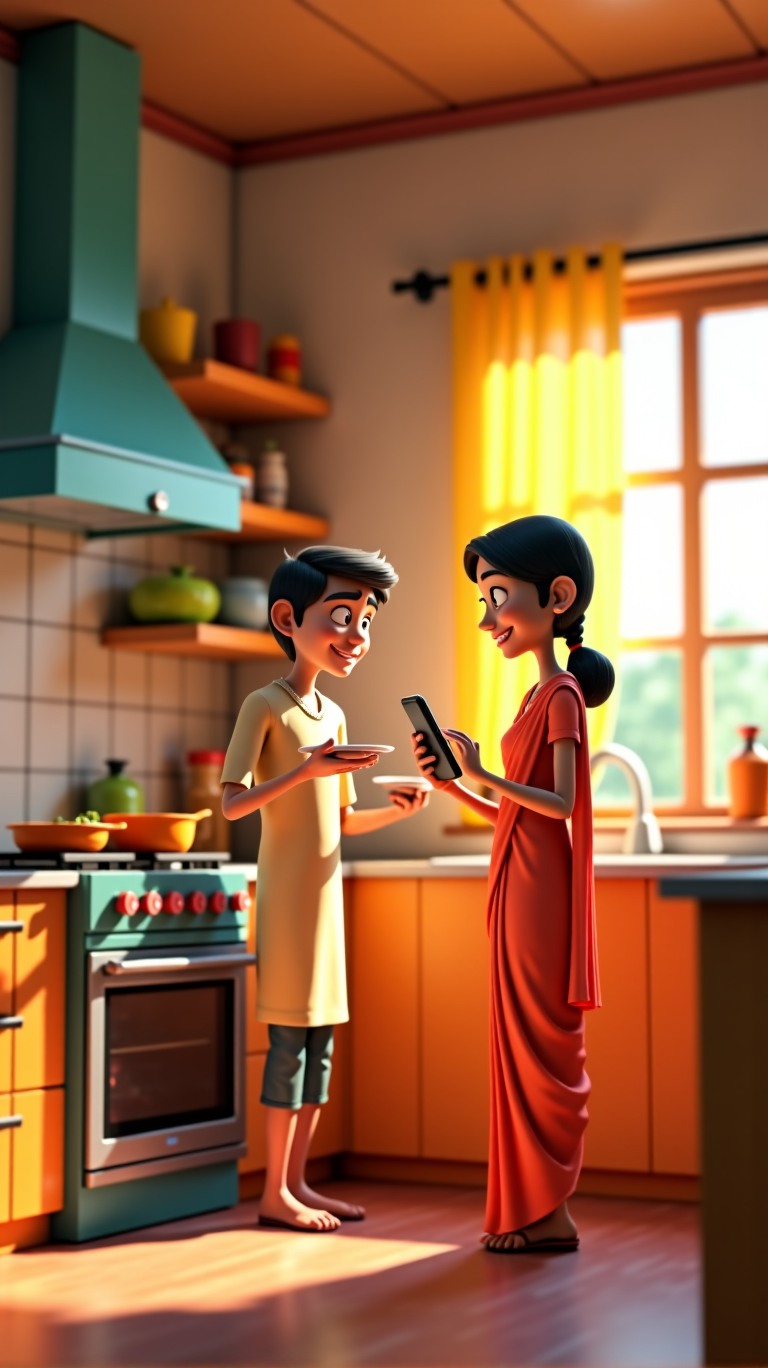
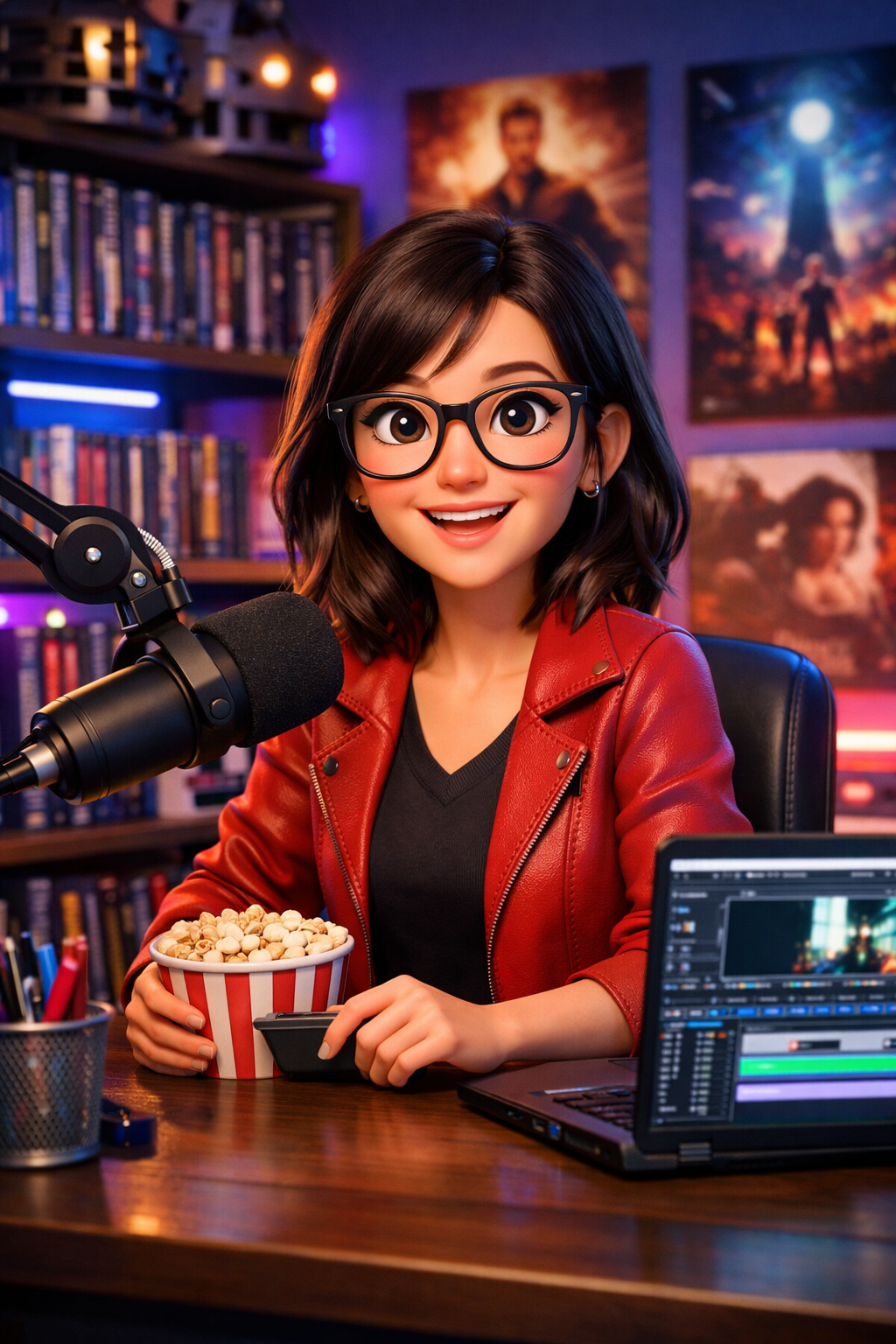
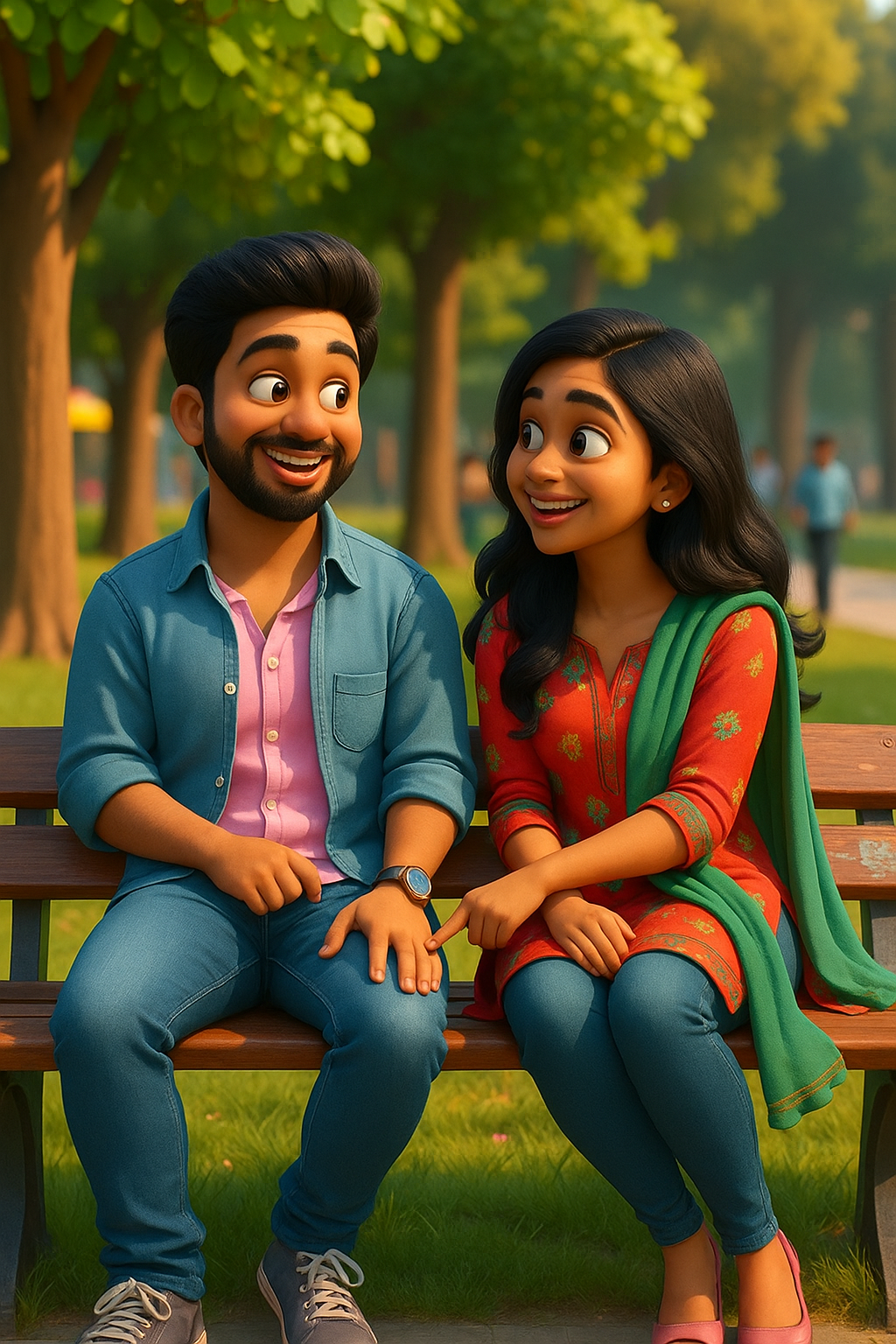
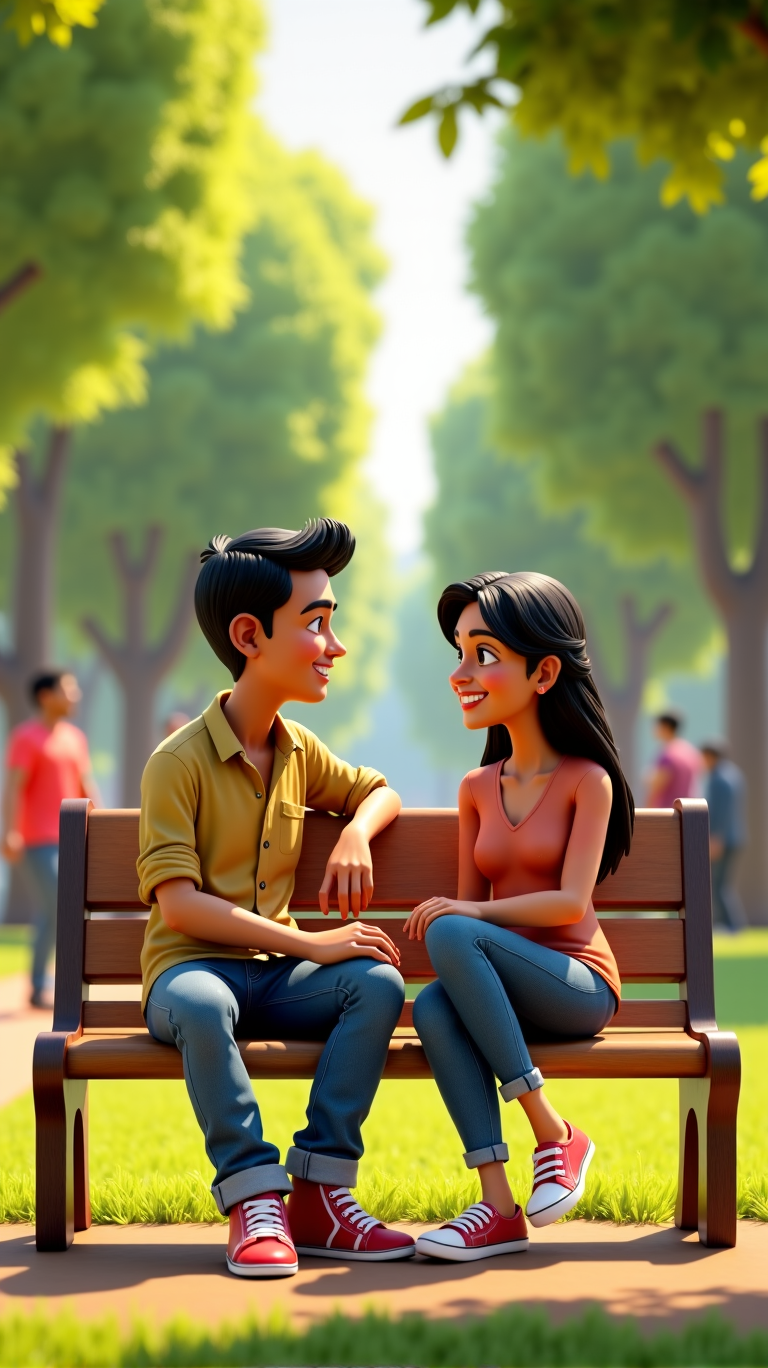
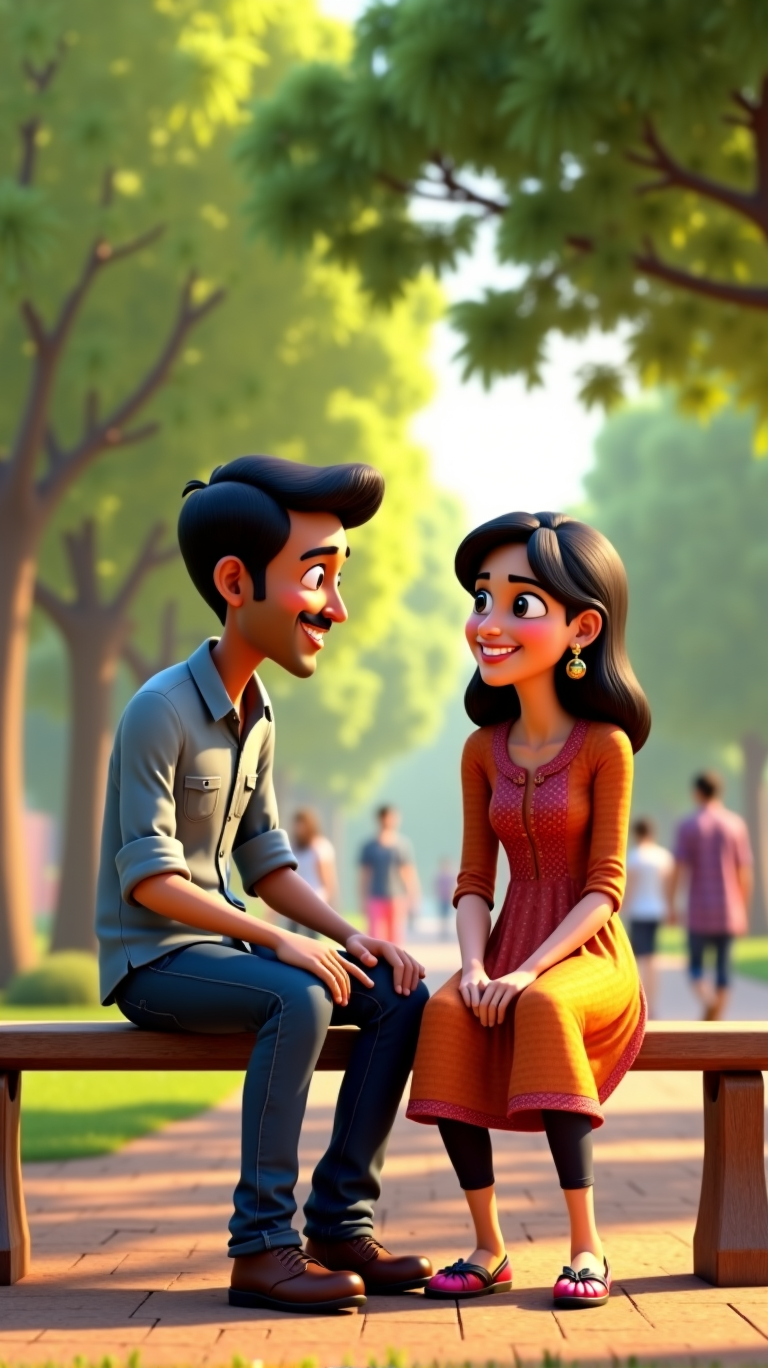
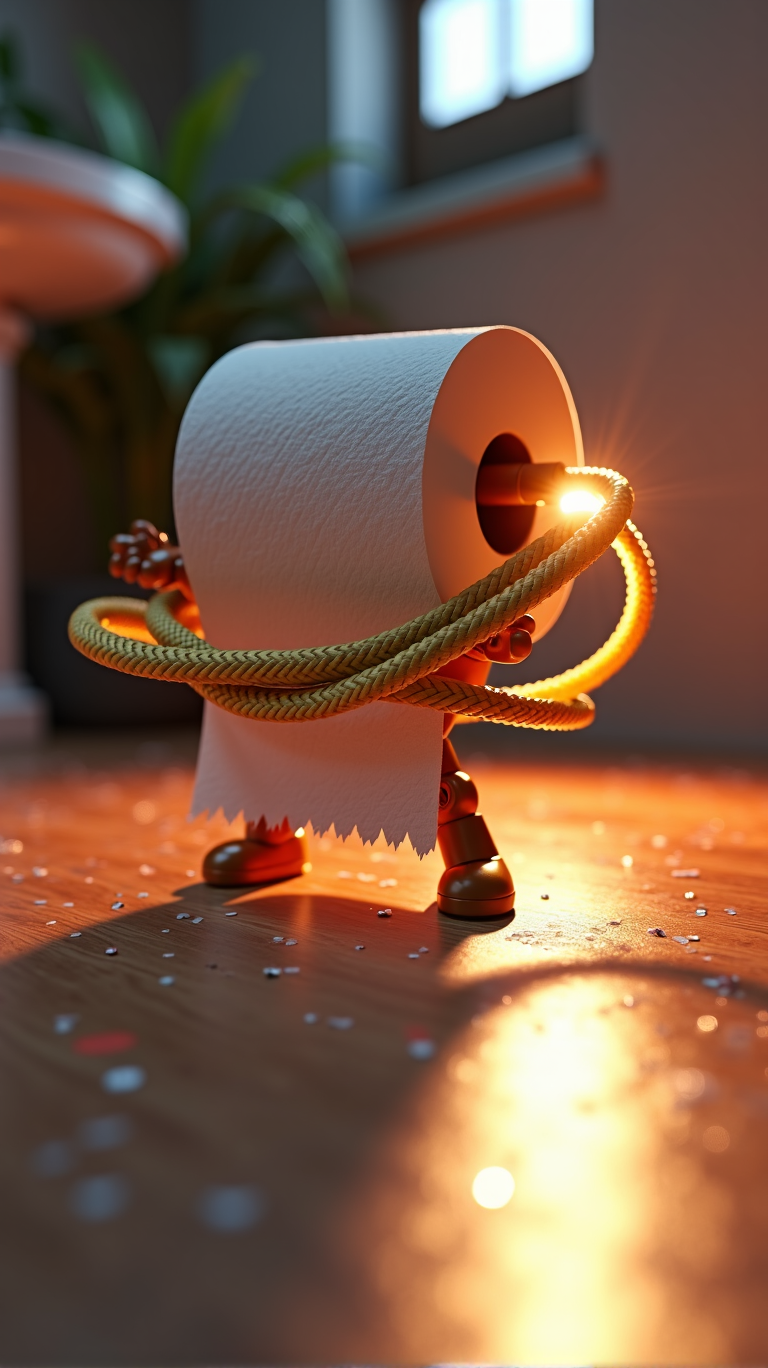
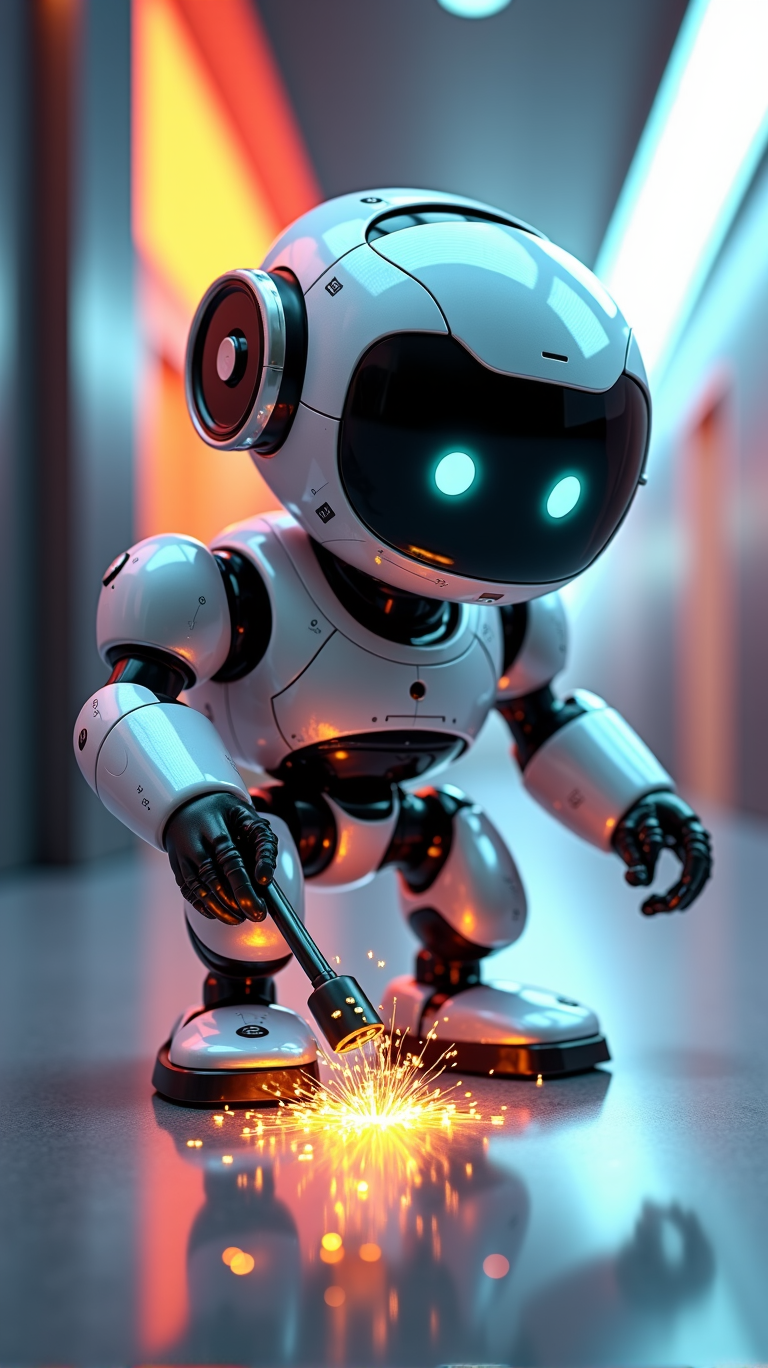





Pixar-style 3D animated scene, bright Indian kitchen with colorful utensils, spice jars, and sunlight streaming through the window. An Indian wife in a bright saree is cooking on the stove, holding a smartphone in one hand and smiling at the screen. Husband enters the scene holding an empty plate, looking curious. Soft warm lighting, comedic atmosphere. Employs three-dimensional modeling, texturing, and rendering methods to create forms with genuine spatial depth. Sculptural details, careful surface mapping, and realistic lighting algorithms (like ray tracing or global illumination) are often used to enhance believability and immersion. The focus is on building objects or characters in a virtual space so they look tangible from any angle. Frequently leverages a wide range of color palettes, from hyperrealistic to stylized. Lighting in 3D art can be meticulously set using multiple light sources—key, fill, and rim lights—to achieve cinematic highlights, convincing shadows, and dramatic contrasts. Reflective surfaces and accurate color bounce are key to making scenes feel truly three-dimensional. Can vary from sleek and futuristic (if using metallic materials and vibrant neons) to warm and inviting (through soft lights and neutral color schemes). Overall, 3D art offers a highly versatile platform for storytelling, allowing for photorealistic or fantastical atmospheres that capture the viewer’s imagination.
Free to start · Generate videos and images with AI in seconds