Image - 2026-05-11 07:02
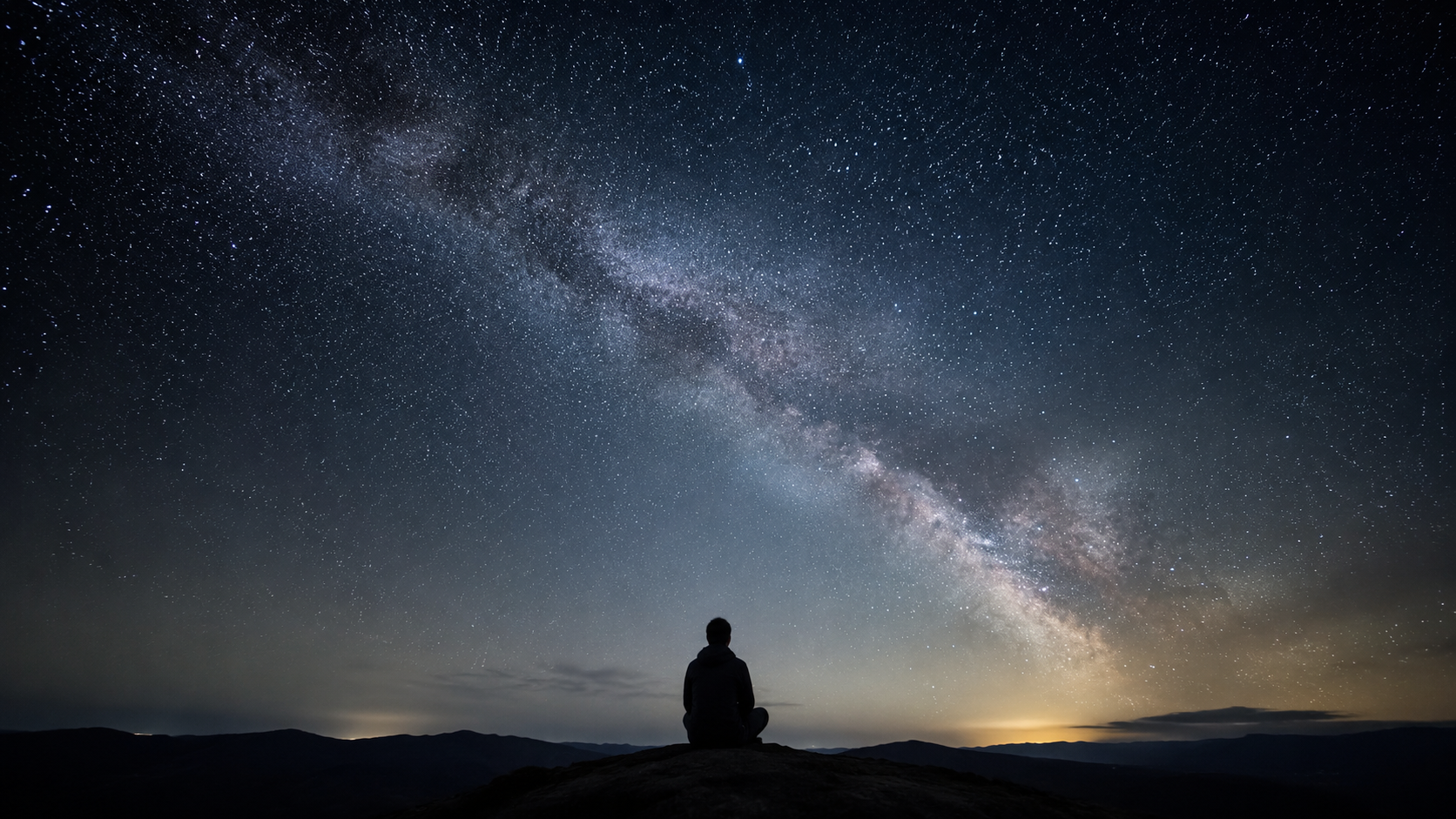
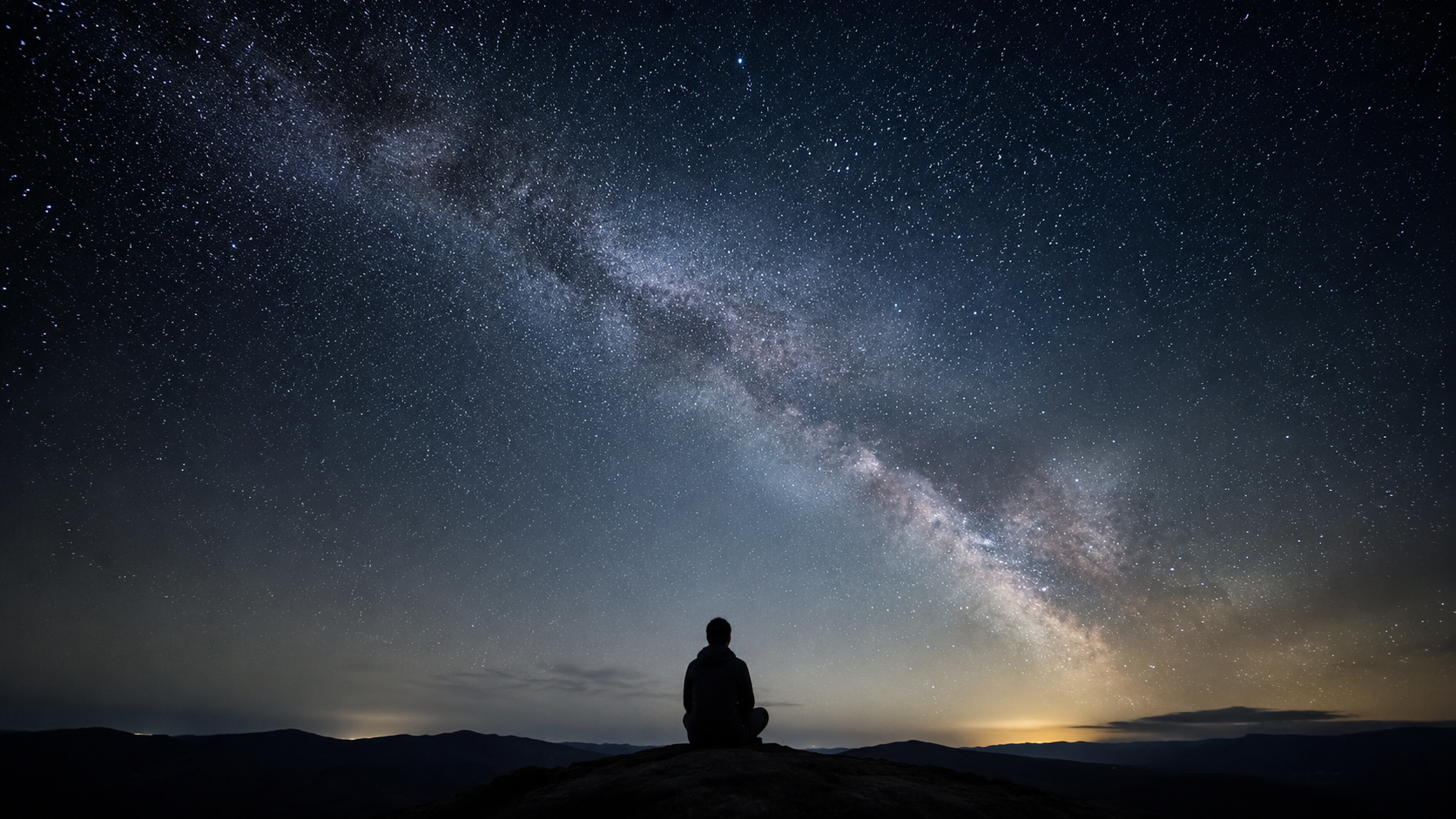
SCENE 1 — THE HOOK (0:00–0:30) A pair of weathered scientist hands in extreme close-up, wearing thin transparent latex gloves, carefully holding a tiny ancient bone fragment no bigger than a thumb. The bone is pale ivory-white, hairline cracks running across its surface, slightly translucent at the thinnest edges. Background is pure black and out of focus. Single cold overhead laboratory light. Ultra macro detail on bone surface texture and glove wrinkles. Shot on Canon EOS R5, 100mm macro lens, f/2.0, cinematic, photorealistic, no digital art, National Geographic quality, 16:9 ratio. SCENE 2 — THE CAVE (0:30–1:30) A vast pitch-black cave interior in Siberia. A single beam of a researcher's headlamp cuts through total darkness, illuminating ancient stone walls covered in mineral deposits and calcite formations. The floor is frozen earth. One researcher in heavy winter gear stands small against the immensity of the cave. Foggy breath visible in cold air. Cinematic wide angle, shot on ARRI Alexa, natural cave atmosphere, hyper-realistic, photorealistic, National Geographic style, 16:9. SCENE 3 — SEDIMENT LAYERS (1:30–2:30) Extreme close-up of ancient cave sediment layers inside a cave wall — cross-section view showing compressed geological time. Layers of brown, rust, ochre, and grey sediment stacked like pages of a book. A tiny bone fragment partially visible embedded in one layer. Soft raking side light revealing texture. Macro photography, Canon 5D Mark IV, hyper-realistic, no artistic filters, photorealistic, 16:9. SCENE 4 — SCIENTIST SHOCK (2:30–3:30) A modern genetics laboratory at night. Blue and white LED lights illuminate rows of DNA sequencing machines. One female scientist in her 40s sits alone at a workstation, face lit only by monitor glow, expression frozen in quiet shock staring at genome data on screen. Reflections visible in her glasses. Coffee cup beside keyboard. Cinematic still, Sony A7R IV, 35mm, shallow depth of field, photorealistic, 16:9. SCENE 5 — DENISOVA CAVE AERIAL (3:30–4:30) Dramatic wide aerial drone shot of the Denisova Cave location in the Altai Mountains of Siberia. Snow-covered mountain peaks surrounding a dense forested valley. The cave entrance is a dark vertical slit in a grey limestone cliff face. Golden hour sunlight hitting the rock face. Low clouds drifting across the mountains. Cinematic widescreen, hyperreal landscape photography, no filters, photorealistic, 16:9. SCENE 6 — DNA SEQUENCE ANOMALY (4:30–5:15) Close-up of a DNA genome sequencing output on a high-resolution scientific monitor. Raw data — rows of A, T, G, C base pair codes scrolling across a black background. One anomalous section highlighted in amber-red standing out among thousands of white characters. Reflection of the screen visible on a glass desk surface. Photorealistic screen photography, cinematic, moody cold lab lighting, 16:9. SCENE 7 — DENISOVAN FIGURE (5:15–6:00) A powerful archaic human figure standing at the edge of a fast-moving river in ancient Siberia 50,000 years ago, seen from behind. Heavily built, dark coarse hair, animal skin clothing. Dense pine forests stretching endlessly behind. Sky heavy with storm clouds. Late afternoon golden light on the water surface. Cinematic, hyper-realistic, BBC documentary reconstruction style, no fantasy elements, no CGI look, photorealistic, 16:9. SCENE 8 — SAMPLE VIAL (6:00–6:45) A small glass laboratory vial containing fine pale grey ancient bone powder sitting on a stainless steel surface. Beside it a printed adhesive label reading "Denisova 4 — Sample Extract." Single cold overhead light. Extreme close-up, razor-sharp focus on the vial, background completely blurred. Photorealistic product-style macro photography, Canon R5, 85mm, f/1.8, 16:9. SCENE 9 — INDIGENOUS WOMAN PORTRAIT (6:45–7:30) An indigenous woman from Papua New Guinea, late 50s, sitting outside her home in warm golden evening light. Face deeply lined, expression dignified and calm, eyes looking into the distance. Dense jungle behind her. Completely natural, unposed, documentary-style portrait. Shot on Leica M11, natural light only, photorealistic, no staging, National Geographic quality, 16:9. SCENE 10 — MUSEUM DIORAMA (7:30–8:15) A physical museum diorama showing a geological cross-section of earth layers going back 500,000 years. Compressed strata of different colored sediment with small labeled bone fragments embedded at different levels. Museum display case lighting, slightly dusty glass, worn informational placards. Shot from slightly below looking up through the glass. Photorealistic museum photography, Canon 24-70mm, natural institutional lighting, 16:9. SCENE 11 — CAVE ARCHAEOLOGIST (8:15–9:00) A lone archaeologist crouching inside a very narrow cave passage in the Philippines. Headlamp on, carefully brushing sediment away from the cave floor with a fine paintbrush. Walls extremely close on both sides. Ceiling low. Expression of intense focus. Only light source is the headlamp. Photorealistic, documentary style, Sony A7S III low-light photography, visible film grain, National Geographic quality, 16:9. SCENE 12 — SEDIMENT IN PETRI DISH (9:00–9:30) Extreme macro close-up of ancient cave sediment in a glass petri dish under cold laboratory light. Brown and grey granules, visually unremarkable. A gloved finger pointing at one specific section. Sterile laboratory environment, cold white overhead lighting. Photorealistic, no artistic manipulation, macro lens, shallow depth of field, 16:9. SCENE 13 — ANCIENT FIRE SILHOUETTES (9:30–10:15) Wide cinematic shot of the African savanna at twilight 400,000 years ago. A small group of archaic hominins gathered around a very low fire, seen from a great distance as pure silhouettes against an enormous burnt-orange and purple sky. The fire is the only warm light. The figures are small and indistinct. BBC Planet Earth aesthetic, photorealistic, no fantasy or CGI appearance, cinematic widescreen, 16:9. SCENE 14 — GENOME COMPARISON WALL (10:15–11:00) A large wall-mounted screen in a university research room displaying a genome comparison chart. Two sequences side by side — one labeled Homo sapiens and one labeled Unknown Archaic. Significant divergence points highlighted in amber. A female researcher stands with her back to camera studying the screen, arms crossed. Cinematic wide shot, photorealistic, natural academic room lighting, 16:9. SCENE 15 — NEANDERTHAL SKULL (11:00–11:45) Close-up of a Neanderthal skull reconstruction inside a natural history museum display case. Cream-colored bone, massive brow ridge, deep shadowed eye sockets. Museum spotlight creating dramatic raking side light. Slight reflection in the display case glass. Shot on Nikon Z9, 50mm, f/2, photorealistic museum photography, no artificial color grading, 16:9. SCENE 16 — TWO GROUPS MEETING (11:45–12:30) Cinematic wide establishing shot of two different archaic hominin groups meeting on a rocky hillside at dusk. One group Neanderthal-featured, one Denisovan-featured, standing about twenty meters apart watching each other in silence. No aggression. Just stillness. Camera positioned behind and between both groups. Hyper-realistic, BBC documentary reconstruction style, no digital fantasy look, photorealistic, 16:9. SCENE 17 — SCIENTIST QUIETLY EMOTIONAL (12:30–13:15) A female scientist in her early 30s sitting alone in an institutional break room holding a printed genome data sheet, eyes wet but not crying dramatically. Quietly moved. Cold fluorescent overhead lighting. Coffee going cold on the table beside her. Photorealistic candid portrait style, 35mm lens, shallow depth of field, no posed quality, documentary feel, 16:9. SCENE 18 — FORENSIC FACIAL RECONSTRUCTION (13:15–14:00) A forensic facial reconstruction portrait of Denisova 11 — the half-Neanderthal half-Denisovan girl. Face broad and strong-boned, deep-set dark eyes, heavy brow ridge, expression neutral and ancient. Painted in the style of a scientific forensic anthropology reconstruction — realistic, not idealized, not dramatized. Flat even lighting. No fantasy elements, no glamorization, photorealistic reconstruction portrait, 16:9. SCENE 19 — ARCHAEOLOGICAL DIG SITE (14:00–14:45) Wide shot of a large Middle Eastern archaeological dig site at sunrise. Dozens of researchers working carefully in a deep excavated pit. Fine dust in the air catching the early light. Canvas field tents in the background. Careful horizontal layers of ancient earth exposed. Documentary photography, warm golden morning light, shot on Canon EOS R3, photorealistic, no artificial sharpening, 16:9. SCENE 20 — DNA BENEATH SKIN (14:45–15:30) Extreme close-up of human skin — the inner forearm — lit by warm natural window light. Pores and fine hairs visible in ultra-sharp macro detail. A very faint, almost subliminal suggestion of a double helix pattern barely visible just beneath the skin surface — more implied than shown, like a shadow under translucent skin. Photorealistic, conceptual editorial macro photography, Canon 100mm L, f/2.8, 16:9. SCENE 21 — UNIVERSITY LECTURE (15:30–16:00) A grand old wood-paneled university lecture hall, nearly empty. One professor stands at the front beside a projected genome divergence map. A handful of graduate students sit scattered through the rows, notebooks open. Tall windows letting in afternoon light. Quiet intellectual atmosphere. Wide cinematic shot, Leica SL2, 28mm, photorealistic, 16:9. SCENE 22 — ANCIENT FOREST FIGURE (16:00–16:30) Inside a vast ancient forest 60,000 years ago, looking upward through an enormous dense canopy. Light filtering in long shafts through the trees. Forest floor covered in fern and dark moss. In the mid-ground, almost hidden by shadow and dense foliage, a single indistinct human figure stands completely motionless watching. The figure deliberately ambiguous — no clear features. Cinematic nature photography, BBC style, photorealistic, 16:9. SCENE 23 — HUMAN EYE CLOSE-UP (16:30–17:00) Extreme macro close-up of a single human eye with dark iris. Ultra-sharp detail on iris texture and cornea surface. A faint reflection of a DNA sequencing screen visible in the cornea. The eye is calm, intelligent, searching. Canon 100mm L macro, f/2.8, single point studio light from the right side, photorealistic, no digital manipulation, 16:9. SCENE 24 — RESEARCH TEAM AT NIGHT (17:00–17:30) Five scientists of mixed ages and ethnicities gathered around a conference table covered in printed genome maps, bone photographs, and handwritten notes. One researcher pointing at a specific section of a genome printout. Heated but quiet discussion. Coffee cups everywhere. Late night, windows completely dark outside. Photorealistic documentary-style wide shot, natural tungsten table lamp light, 16:9. SCENE 25 — SIBERIAN VALLEY AERIAL (17:30–17:50) Dramatic overhead aerial drone shot of a Siberian river valley in late autumn. No snow yet but trees are completely bare and the land is iron-grey and dark brown. The Denisova Cave entrance barely visible as a tiny dark mark in a cliff face at the edge of the frame. Landscape vast and completely empty. Drone photography, golden hour light, photorealistic, no color grading, 16:9. SCENE 26 — OPEN JOURNAL AND NOTE (17:50–18:10) An open scientific journal on a wooden laboratory desk, pages slightly yellowed. Beside it a handwritten note on white paper with a single large question mark written in blue ink. A researcher's reading glasses folded beside the book. Soft warm desk lamp light from the left. Photorealistic editorial still life, 50mm, f/2, warm tones, shallow depth of field, 16:9. SCENE 27 — ABORIGINAL ELDER AT DAWN (18:10–18:40) Wide shot of the Australian outback at dawn. Flat red earth stretching to the horizon under a massive pale sky. A single Aboriginal elder standing facing away from camera, watching the sunrise. He is very small against the enormous landscape. No text, no labels, no symbolic overlay. Pure documentary photography, natural light only, photorealistic, Magnum Photos style, 16:9. SCENE 28 — CITY CROWD (18:40–19:10) A busy city street in Tokyo or Jakarta, crowded with ordinary people walking in all directions. Shot as a frozen cinematic moment. Natural daylight. Every person in the frame carrying ancient DNA they don't know about — but nothing in the image makes this explicit. Beautiful realistic street photography. Sony 35mm GM, f/1.4, photorealistic, slightly desaturated color grade, 16:9. SCENE 29 — ARCHIVING THE BONE (19:10–19:35) Close-up of an older scientist's experienced hands carefully placing a tiny bone fragment into a sealed archival foam-lined container. The fragment is the size of a fingernail. The care and reverence in the gesture completely evident. Clean laboratory surface. Cold white overhead light. Macro detail on the foam lining and bone texture. Photorealistic, no artistic filter, Canon 100mm macro, 16:9. SCENE 30 — FINAL SHOT — STARFIELD (19:35–20:00) A single solitary person sitting alone on a dark hillside at night, looking up at a vast, star-filled sky. The Milky Way clearly and brilliantly visible from horizon to horizon. The figure is very small, completely still, no modern objects visible anywhere. The feeling is of deep time, deep connection, and quiet wonder. Could be from any era of human history. Long exposure night photography, photorealistic, no CGI sky replacement, no color manipulation, 16:9.
Free to start · Generate videos and images with AI in seconds
More GPT Image 2 images
См. все →