Image - 2026-05-11 08:30
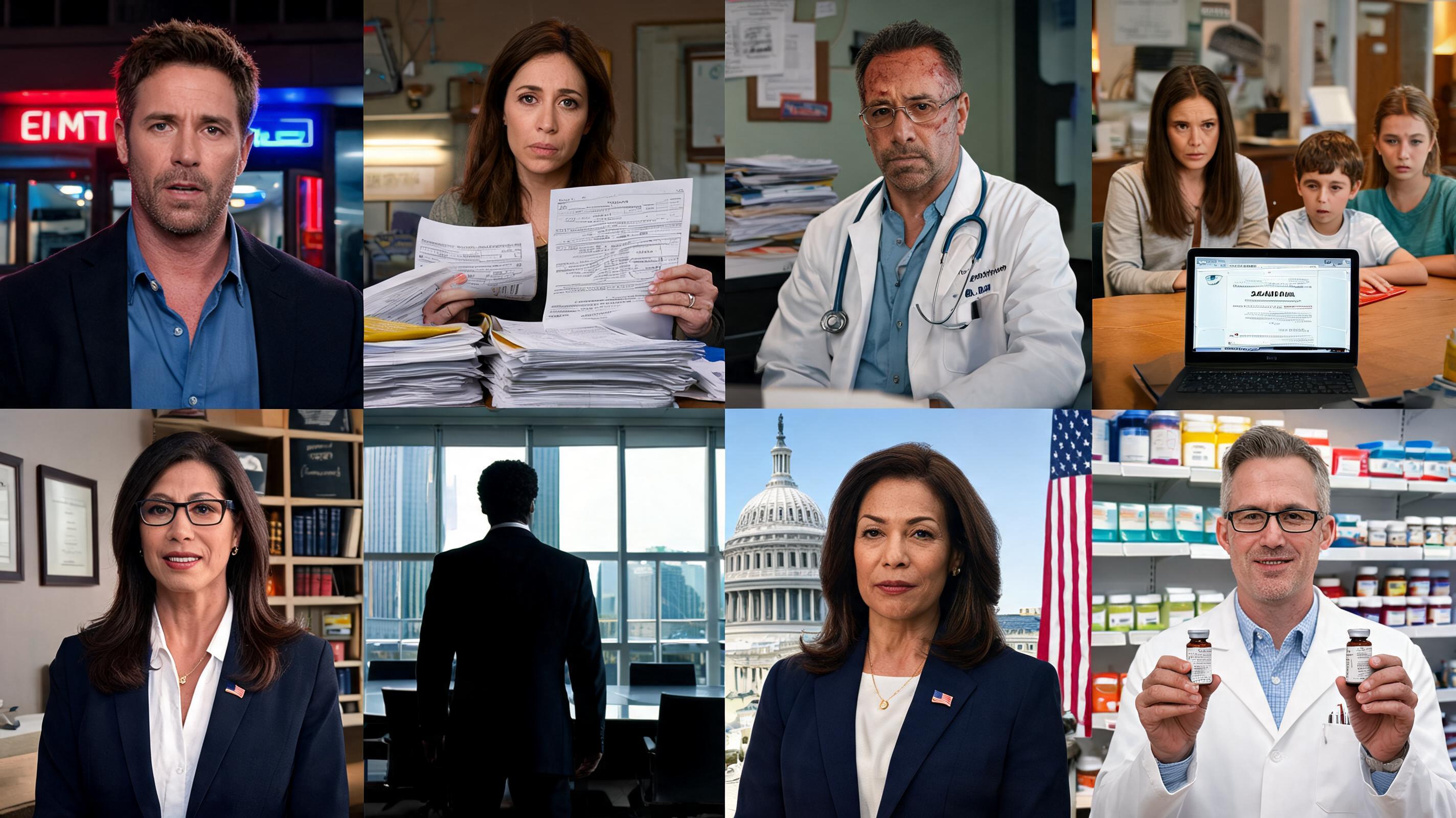
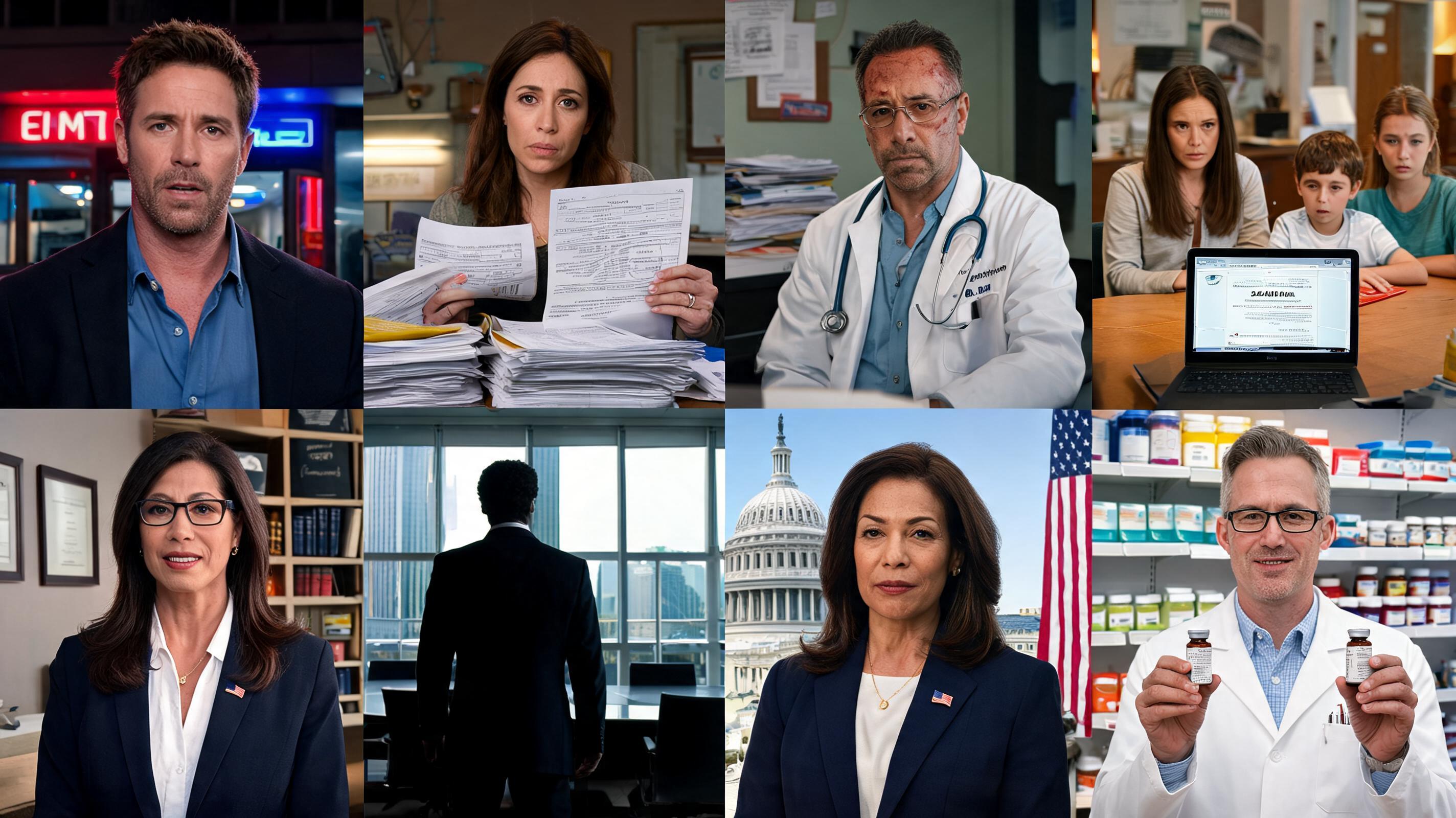
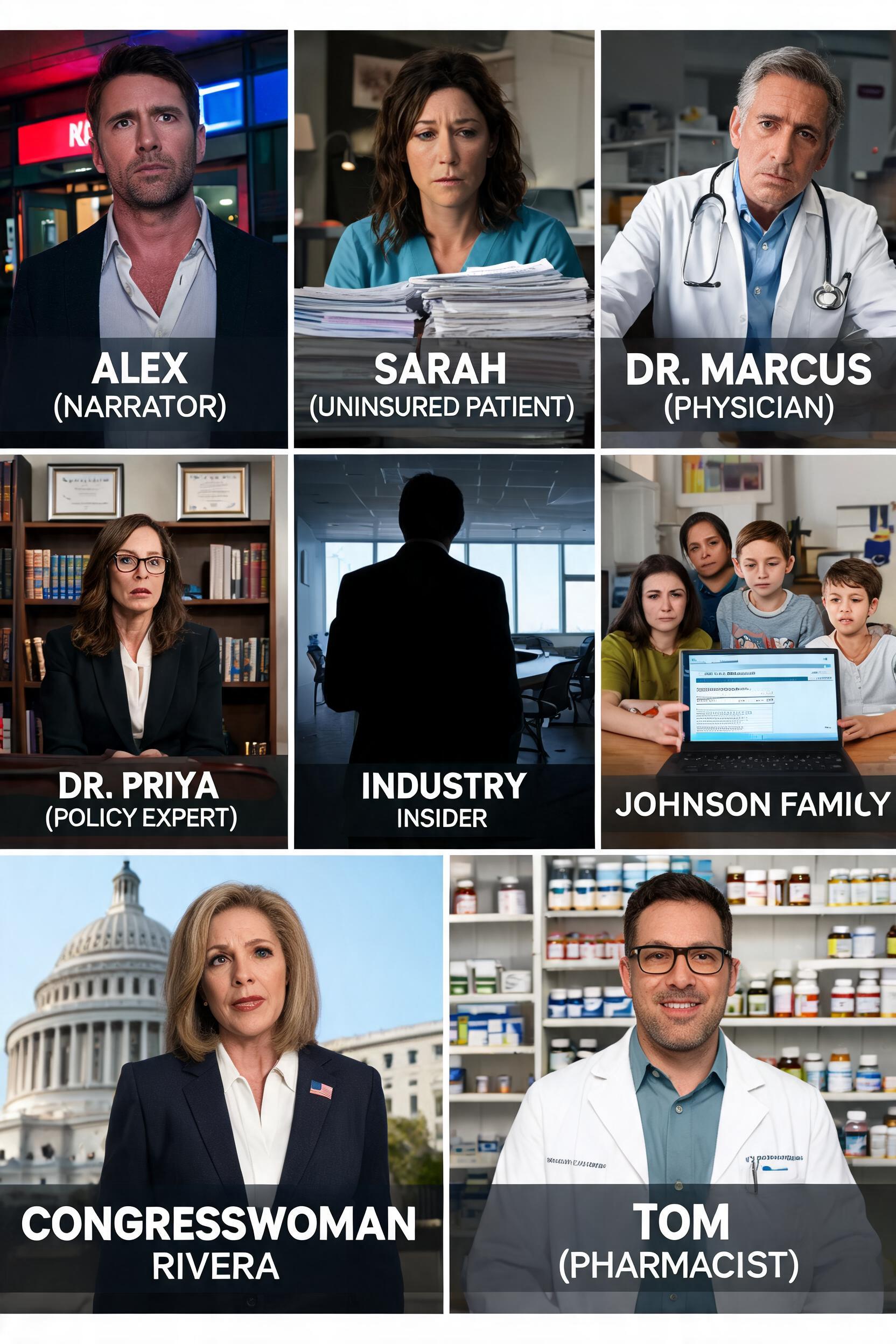
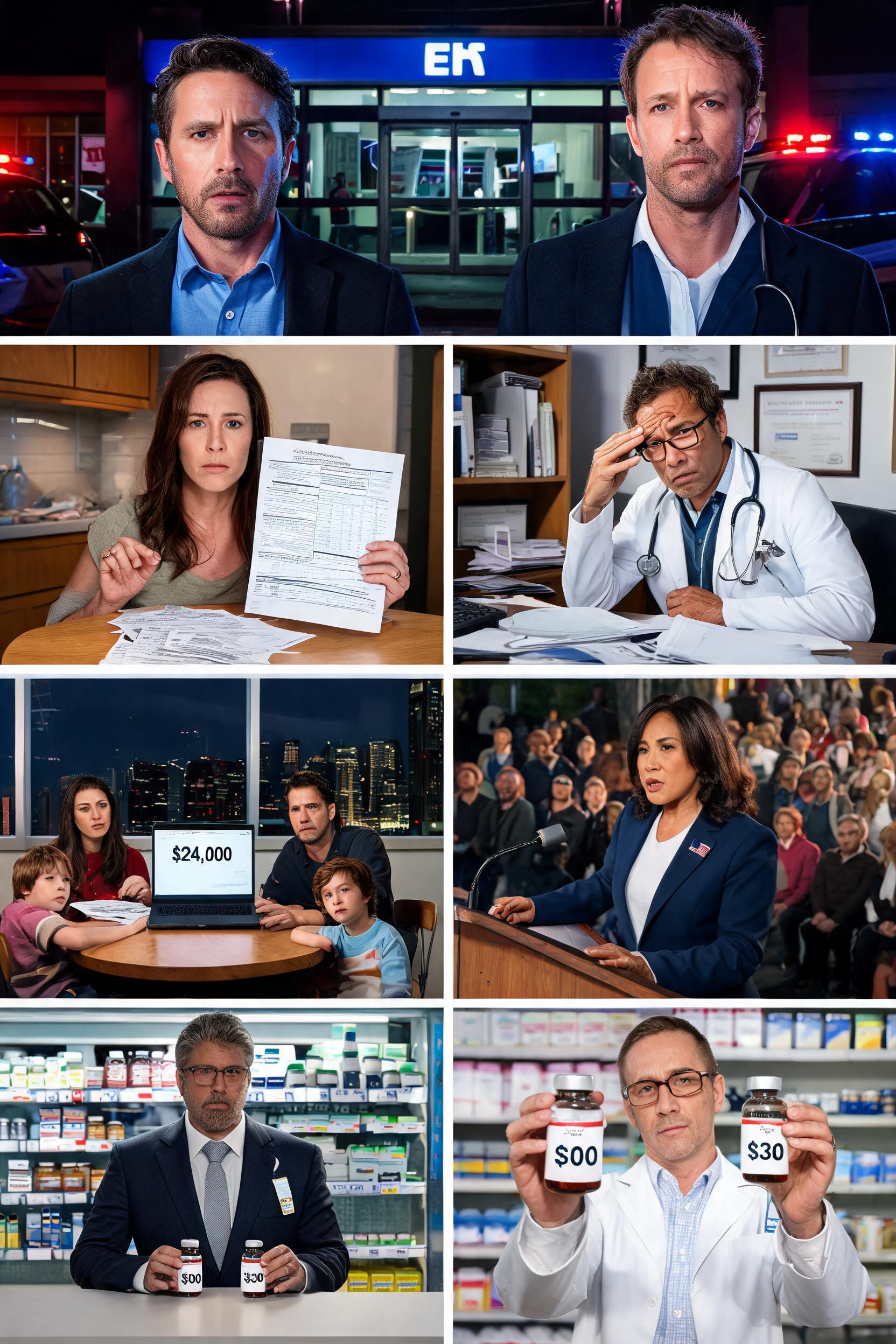
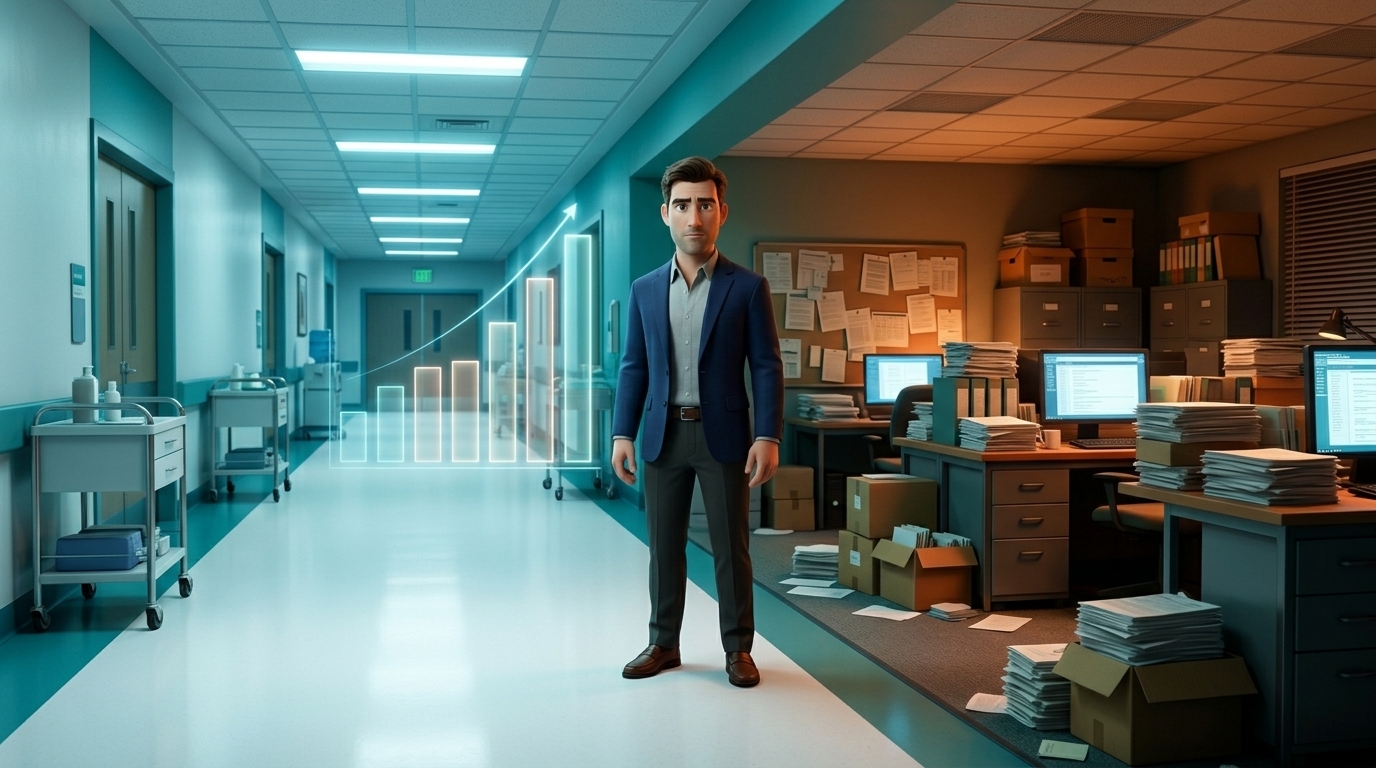
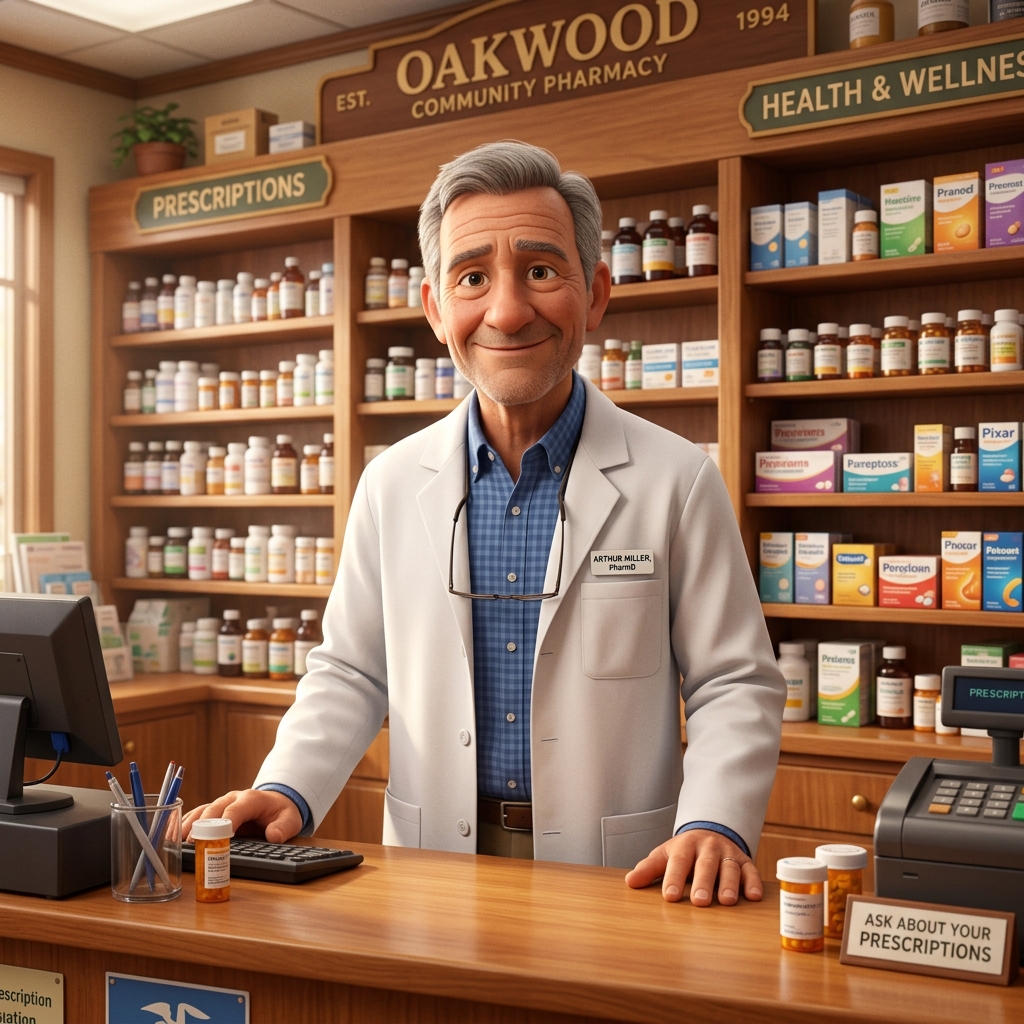
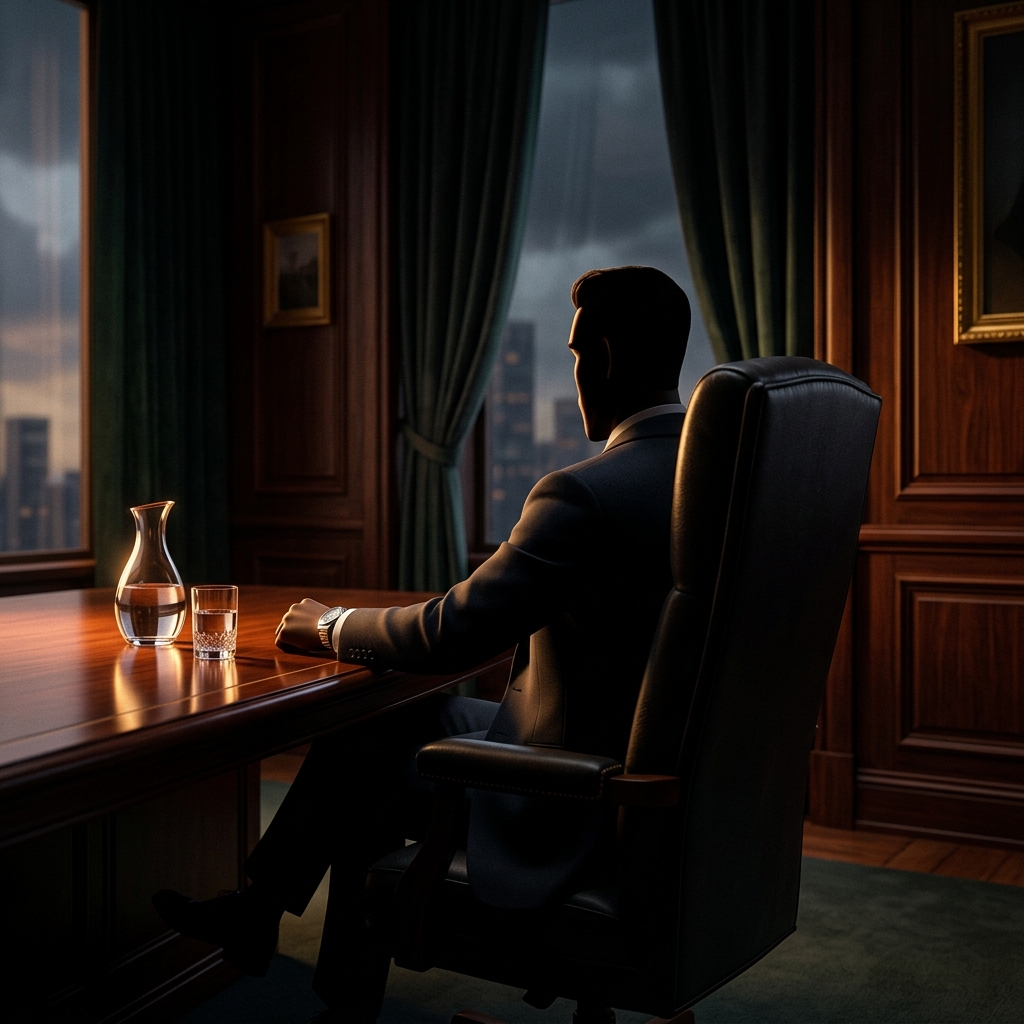
VIDEO PRODUCTION GUIDE Why Healthcare in America Is So Expensive Hook Dialogue | Character Direction | Performance Notes | B-Roll Guide | 75 Scenes × 8 Seconds CHARACTER ROSTER — WHO IS IN YOUR VIDEO? Before you start filming, cast these characters. Each brings a distinct perspective, visual identity, and emotional function. The Narrator (Alex) [Main Host / Voice of the People] Gender: Male | Age: 30–40 Appearance: Smart casual — open-collar shirt, blazer. Authoritative but relatable. Stands in clean studio or walks in real-world locations. Voice Style: Confident, conversational, slightly urgent. Like a trusted friend who happens to know everything about policy. Appears In: Drives the full story. Appears on camera or as voiceover throughout. Sarah (The Uninsured Patient) [Relatable Victim of the System] Gender: Female | Age: 28–35 Appearance: Scrubs or casual clothes. Exhausted. Sits at a kitchen table surrounded by medical bills. Wedding ring — family person. Voice Style: Anxious, emotional, genuine. Speaks directly to camera in 'confessional' interview style. Appears In: Humanizes statistics. Appears in Scenes about medical debt, drug costs, insurance denials. Dr. Marcus (The Burned-Out Physician) [Insider Whistleblower] Gender: Male | Age: 45–55 Appearance: White coat, stethoscope. Slightly disheveled — under pressure. Speaks in hallway or office setting. Voice Style: Frustrated, knowledgeable, defeated but hopeful. Speaks in plain language about systemic failures. Appears In: Validates insider claims. Appears in fee-for-service, admin burden, physician burnout scenes. Dr. Priya (Health Policy Expert) [The Explainer / Data Translator] Gender: Female | Age: 35–50 Appearance: Professional blazer, glasses. Think-tank or university backdrop — bookshelf, diplomas visible. Voice Style: Calm, precise, authoritative. Delivers stats and comparisons with confidence. Appears In: Lends credibility to comparative healthcare data, policy reform sections. The Industry Insider (No Name) [Antagonist / System Defender] Gender: Any | Age: 40–55 Appearance: Expensive suit. Shown mostly in silhouette or from behind — mysterious. Corporate boardroom setting. Voice Style: Smooth, evasive, scripted. Represents the forces resisting reform. Uses corporate PR language. Appears In: Illustrates how the system is protected. Appears in lobbying, profit motive, status quo scenes. The Johnson Family [Middle-Class Audience Proxy] Gender: Mixed | Age: Parents 35–45, kids 8–14 Appearance: Typical suburban American family. Kitchen table, grocery shopping, school drop-off settings. Voice Style: Warm, stressed, relatable. React to healthcare cost revelations in real time. Appears In: Audience mirror. Appears in insurance complexity, cost shift, family premium scenes. Congresswoman Rivera (Fictional) [The Reformer] Gender: Female | Age: 45–60 Appearance: Business suit, American flag pin. Capitol building setting or town hall. Voice Style: Passionate, political, measured. Champions change but navigates resistance. Appears In: Represents political reform efforts. Appears in government role, solutions sections. Tom (The Local Pharmacist) [Community Voice] Gender: Male | Age: 40–55 Appearance: White pharmacist coat behind counter. Friendly neighborhood pharmacy setting. Voice Style: Empathetic, practical, community-minded. Bridges the gap between data and daily life. Appears In: Explains drug pricing at human level. Appears in prescription drug cost scenes. PRODUCTION QUICK-START GUIDE Filming Format: Shoot in 4K or 1080p, 24fps for cinematic feel. Aspect ratio 16:9. Export for YouTube at 4K if possible. Scene Timing: Each scene = exactly 8 seconds. Use a clapperboard with scene number + take. Edit to TIGHT cuts. Hook Delivery: Every hook line must land in the first 2 seconds of the scene. No slow starts. Cut to the heart immediately. Music: Use tension-building background music for Act 1–11. Shift to brighter, forward-moving track for Act 14–17. End Act 18 with something warm and human. Color Grading: Slightly cooler/desaturated for hospital/problem scenes. Warmer tones for community health, solutions, and CTA. Teleprompter: Use a teleprompter for the NARRATOR. Allow DOCTOR, PATIENT, and PHARMACIST to ad-lib within the hook structure — it will feel more authentic. ACT 1 – HOOK & INTRO SCENE 01 0:00–0:08 ▶ HOOK SCENE 🎤 HOOK DIALOGUE: "You break your arm. You go to the emergency room. And you walk out with a $30,000 bill. How is that even POSSIBLE in the richest country on Earth?" 🎭 CHARACTER ON SCREEN: The Narrator (Alex) [ON CAMERA] Look: Smart casual — open-collar shirt, blazer. Authoritative but relatable. Stands in clean studio or walks in real-world locations. Voice: Confident, conversational, slightly urgent. Like a trusted friend who happens to know everything about policy. 🎬 DIRECTOR'S NOTE: NARRATOR stands outside a brightly lit ER entrance at night. Arms crossed, turns directly to camera. Urgent, slightly disbelieving expression. Red and blue ER lights reflect on face. Hold for 2 sec, then zoom in slowly. 🎥 B-ROLL / VISUALS: Ambulance arriving, ER doors opening, close-up of hands holding a massive medical bill. 💡 CHARACTER PERFORMANCE TIP: This is your cold open — Alex MUST make eye contact with the lens from frame 1. No intro, no music, just the question. SCENE 02 0:08–0:16 ▶ HOOK SCENE 🎤 HOOK DIALOGUE: "America spends more money on healthcare than ANY other country on Earth. And yet — millions of people can't afford to see a doctor. Something is catastrophically broken." 🎭 CHARACTER ON SCREEN: The Narrator (Alex) [ON CAMERA] Look: Smart casual — open-collar shirt, blazer. Authoritative but relatable. Stands in clean studio or walks in real-world locations. Voice: Confident, conversational, slightly urgent. Like a trusted friend who happens to know everything about policy. 🎬 DIRECTOR'S NOTE: NARRATOR walks slowly in a neutral studio space. Split-screen B-roll begins behind him — US hospital vs German hospital. Data text animates onto screen. 🎥 B-ROLL / VISUALS: Animated bar graph rising. Split screen of hospitals from different countries. Text overlay: '$4.5 TRILLION per year.' 💡 CHARACTER PERFORMANCE TIP: Pacing shifts from urgent to investigative. Alex should lower his voice slightly — drawing the viewer IN, not shouting at them. SCENE 03 0:16–0:24 ▶ HOOK SCENE 🎤 HOOK DIALOGUE: "Four point five TRILLION dollars. That's what America spent on healthcare in 2023. Say that number out loud. Let it land. Now ask yourself — where does all of it go?" 🎭 CHARACTER ON SCREEN: The Narrator (Alex) [VOICEOVER ONLY] Look: Smart casual — open-collar shirt, blazer. Authoritative but relatable. Stands in clean studio or walks in real-world locations. Voice: Confident, conversational, slightly urgent. Like a trusted friend who happens to know everything about policy. 🎬 DIRECTOR'S NOTE: Full-screen animation. Dollar bills raining over a US map. Counter rapidly ticking up to $4,500,000,000,000. NARRATOR in voiceover — calm, deliberate pacing. 🎥 B-ROLL / VISUALS: Animated dollar signs, spinning globe zooming to USA, national debt clock aesthetic. 💡 CHARACTER PERFORMANCE TIP: Voiceover only this scene. Pause 1 second after 'Let it land.' — dead air = impact. SCENE 04 0:24–0:32 ▶ HOOK SCENE 🎤 HOOK DIALOGUE: "The United Kingdom covers EVERY citizen — and spends $4,500 per person. Canada covers everyone — $5,900 per person. America? $13,500 — and still leaves 26 million people out completely." 🎭 CHARACTER ON SCREEN: Dr. Priya (Health Policy Expert) [ON CAMERA] Look: Professional blazer, glasses. Think-tank or university backdrop — bookshelf, diplomas visible. Voice: Calm, precise, authoritative. Delivers stats and comparisons with confidence. 🎬 DIRECTOR'S NOTE: DR. PRIYA sits at a clean desk, charts visible on monitor behind her. She leans forward, pointing at a comparison graph. Speaks directly and efficiently. 🎥 B-ROLL / VISUALS: Animated bar chart. Country flags with dollar amounts. Red highlight on US bar — tallest by far. 💡 CHARACTER PERFORMANCE TIP: Dr. Priya delivers this like a professor who is genuinely frustrated that she keeps having to explain this. Not robotic — emotionally invested in the data. SCENE 05 0:32–0:40 ▶ HOOK SCENE 🎤 HOOK DIALOGUE: "In the next 10 minutes, I'm going to show you the 7 biggest reasons American healthcare costs what it does — and none of the answers are what you think." 🎭 CHARACTER ON SCREEN: The Narrator (Alex) [ON CAMERA] Look: Smart casual — open-collar shirt, blazer. Authoritative but relatable. Stands in clean studio or walks in real-world locations. Voice: Confident, conversational, slightly urgent. Like a trusted friend who happens to know everything about policy. 🎬 DIRECTOR'S NOTE: NARRATOR back on camera, studio or clean background. Animated roadmap of the 7 topics pops onto screen beside him. He gestures to each point as it appears. 🎥 B-ROLL / VISUALS: Animated numbered list appearing one by one. Clean motion graphic style. 💡 CHARACTER PERFORMANCE TIP: This is the 'promise' moment — Alex must be energized and confident here. This is the contract with the viewer. Eyes on the camera, not the screen. ACT 2 – REASON 1: Administrative Complexity SCENE 06 0:40–0:48 ▶ HOOK SCENE 🎤 HOOK DIALOGUE: "Before a single doctor sees a single patient — the paperwork has already cost hundreds of thousands of dollars. Bureaucracy in American healthcare costs over $800 BILLION every single year." 🎭 CHARACTER ON SCREEN: The Narrator (Alex) [VOICEOVER ONLY] Look: Smart casual — open-collar shirt, blazer. Authoritative but relatable. Stands in clean studio or walks in real-world locations. Voice: Confident, conversational, slightly urgent. Like a trusted friend who happens to know everything about policy. 🎬 DIRECTOR'S NOTE: Timelapse of paper forms piling up on a desk. NARRATOR voiceover. Text counter: '$800,000,000,000' slams onto screen. 🎥 B-ROLL / VISUALS: Stacks of insurance claim forms. Office workers sorting papers. Filing cabinets overflowing. 💡 CHARACTER PERFORMANCE TIP: Voiceover — lean into the absurdity. '$800 billion' should sound almost like a punchline. SCENE 07 0:48–0:56 ▶ HOOK SCENE 🎤 HOOK DIALOGUE: "For every ONE doctor in America, there are SIXTEEN healthcare administrators. Sixteen. In Canada, that number is a fraction — because they use one billing system for everyone." 🎭 CHARACTER ON SCREEN: Dr. Priya (Health Policy Expert) [ON CAMERA] Look: Professional blazer, glasses. Think-tank or university backdrop — bookshelf, diplomas visible. Voice: Calm, precise, authoritative. Delivers stats and comparisons with confidence. 🎬 DIRECTOR'S NOTE: DR. PRIYA holds up fingers while speaking — visually counting to 16. Behind her, split animation: 1 doctor icon + 16 admin icons. Canada shows 1 doctor + 3 icons. 🎥 B-ROLL / VISUALS: Busy billing department. Rows of office workers at computers. Animation of doctor-to-admin ratio. 💡 CHARACTER PERFORMANCE TIP: Priya should let the '16' number breathe — pause after saying it. The visual does the work. SCENE 08 0:56–1:04 ▶ HOOK SCENE 🎤 HOOK DIALOGUE: "Imagine running a restaurant where you had to negotiate SEPARATELY with 500 different customers about the price of every single dish — AFTER they'd already eaten. That's what hospitals deal with every day." 🎭 CHARACTER ON SCREEN: The Narrator (Alex) [ON CAMERA] Look: Smart casual — open-collar shirt, blazer. Authoritative but relatable. Stands in clean studio or walks in real-world locations. Voice: Confident, conversational, slightly urgent. Like a trusted friend who happens to know everything about policy. 🎬 DIRECTOR'S NOTE: NARRATOR in hallway of realistic hospital setting. Gestures broadly — exasperated. Behind him, wall of insurance company logos (fictionalized or blurred). 🎥 B-ROLL / VISUALS: Hundreds of insurance logos. Split billing screens. Confused billing staff on phone. 💡 CHARACTER PERFORMANCE TIP: Alex uses the restaurant analogy with humor — but lands it with genuine concern. Light tone → serious realization. SCENE 09 1:04–1:12 ▶ HOOK SCENE 🎤 HOOK DIALOGUE: "I became a doctor to heal people. But now I spend more time filling out forms than I do actually talking to my patients. And every minute I spend on paperwork — is a minute I'm not with you." 🎭 CHARACTER ON SCREEN: Dr. Marcus (The Burned-Out Physician) [ON CAMERA] Look: White coat, stethoscope. Slightly disheveled — under pressure. Speaks in hallway or office setting. Voice: Frustrated, knowledgeable, defeated but hopeful. Speaks in plain language about systemic failures. 🎬 DIRECTOR'S NOTE: DR. MARCUS sits in his office, rubbing his temples. He looks directly at camera — tired but earnest. Stack of papers visible on desk beside laptop. Dim, slightly yellow lighting. 🎥 B-ROLL / VISUALS: Close-up of doctor typing in EHR system. Paperwork on desk. Clock ticking. 💡 CHARACTER PERFORMANCE TIP: This is a quiet, emotional beat. Marcus should NOT be dramatic — just honest and tired. No music here. Let the silence around him speak. ACT 3 – REASON 2: Prescription Drug Prices SCENE 10 1:12–1:20 ▶ HOOK SCENE 🎤 HOOK DIALOGUE: "This vial of insulin costs $300 in the United States. The exact same insulin, made by the exact same company, costs $30 in Canada. Same drug. Same factory. Different country. TEN TIMES the price." 🎭 CHARACTER ON SCREEN: Tom (The Local Pharmacist) [ON CAMERA] Look: White pharmacist coat behind counter. Friendly neighborhood pharmacy setting. Voice: Empathetic, practical, community-minded. Bridges the gap between data and daily life. 🎬 DIRECTOR'S NOTE: TOM holds up two identical insulin vials — one with a '$300' tag, one with '$30'. Looks at camera. Slow, deliberate. Pharmacy shelves visible in background. 🎥 B-ROLL / VISUALS: Close-up of insulin vial labels. Price tags animated. Side-by-side product comparison graphic. 💡 CHARACTER PERFORMANCE TIP: Tom should NOT be angry — he should be almost apologetic. He has to deliver this news to his patients every day. That weight should show. SCENE 11 1:20–1:28 ▶ HOOK SCENE 🎤 HOOK DIALOGUE: "Pharmaceutical companies spend more money lobbying Congress than almost any other industry in America. And it worked — because the U.S. government is LEGALLY FORBIDDEN from negotiating drug prices for Medicare." 🎭 CHARACTER ON SCREEN: The Narrator (Alex) [VOICEOVER ONLY] Look: Smart casual — open-collar shirt, blazer. Authoritative but relatable. Stands in clean studio or walks in real-world locations. Voice: Confident, conversational, slightly urgent. Like a trusted friend who happens to know everything about policy. 🎬 DIRECTOR'S NOTE: Animated graphic: dollar bills flowing from pharma company logos into Capitol Hill building. Revolving door animation. Text: 'LEGALLY PROHIBITED.' 🎥 B-ROLL / VISUALS: Capitol building. Lobbyist walking into Senate office. Pharma company boardroom. 💡 CHARACTER PERFORMANCE TIP: Voiceover. The phrase 'LEGALLY FORBIDDEN' should be emphasized with a sudden pause before it — let the viewer process. SCENE 12 1:28–1:36 ▶ HOOK SCENE 🎤 HOOK DIALOGUE: "American patients pay 2 to 3 times more for the same prescription drugs than patients in Germany, France, or Japan. Brand-name drugs here cost 350% more than in other wealthy nations. This is not a coincidence." 🎭 CHARACTER ON SCREEN: Dr. Priya (Health Policy Expert) [ON CAMERA] Look: Professional blazer, glasses. Think-tank or university backdrop — bookshelf, diplomas visible. Voice: Calm, precise, authoritative. Delivers stats and comparisons with confidence. 🎬 DIRECTOR'S NOTE: DR. PRIYA at whiteboard or animated chart background. Points to bar graph — US bar dwarfing all others. Calm but pointed delivery. 🎥 B-ROLL / VISUALS: Price comparison chart. Pharmacy counters in US vs Europe. Animated 350% label. 💡 CHARACTER PERFORMANCE TIP: End this scene with Priya looking slightly off camera — as if the weight of the data is hitting even her. SCENE 13 1:36–1:44 ▶ HOOK SCENE 🎤 HOOK DIALOGUE: "I had to choose between buying my daughter's asthma inhaler or paying our electric bill. I chose the inhaler. We sat in the dark for a week. That's America right now." 🎭 CHARACTER ON SCREEN: Sarah (The Uninsured Patient) [ON CAMERA] Look: Scrubs or casual clothes. Exhausted. Sits at a kitchen table surrounded by medical bills. Wedding ring — family person. Voice: Anxious, emotional, genuine. Speaks directly to camera in 'confessional' interview style. 🎬 DIRECTOR'S NOTE: SARAH sits at kitchen table. Single overhead light. She speaks quietly — not performing grief, just reporting reality. Hands folded. Makes eye contact with camera. 🎥 B-ROLL / VISUALS: Medicine bottles on shelf. Electric bill on table. Child's empty inhaler. 💡 CHARACTER PERFORMANCE TIP: Sarah should have a long pause before speaking — like she's still deciding whether to say this out loud. No prompting, no music. Pure human moment. SCENE 14 1:44–1:52 ▶ HOOK SCENE 🎤 HOOK DIALOGUE: "In 2022, Congress finally gave Medicare the power to negotiate drug prices — but only for 10 drugs. Ten. Out of thousands. Advocates say it's progress. Critics say it's a band-aid on a bullet wound." 🎭 CHARACTER ON SCREEN: The Narrator (Alex) [ON CAMERA] Look: Smart casual — open-collar shirt, blazer. Authoritative but relatable. Stands in clean studio or walks in real-world locations. Voice: Confident, conversational, slightly urgent. Like a trusted friend who happens to know everything about policy. 🎬 DIRECTOR'S NOTE: NARRATOR in studio. Document graphic — Inflation Reduction Act — floats beside him. He holds up 10 fingers, then looks down at them, then back up — skeptical expression. 🎥 B-ROLL / VISUALS: IRA document. Prescription drug bottles. Congress voting footage (archival or recreated). 💡 CHARACTER PERFORMANCE TIP: Alex should let the skepticism land — he's not dismissing the reform, just contextualizing it honestly. ACT 4 – REASON 3: Fee-for-Service Model SCENE 15 1:52–2:00 ▶ HOOK SCENE 🎤 HOOK DIALOGUE: "What if your mechanic got paid more money every time they found something wrong with your car — whether you needed the repair or not? That's EXACTLY how American healthcare works. It's called fee-for-service — and it's costing you a fortune." 🎭 CHARACTER ON SCREEN: The Narrator (Alex) [ON CAMERA] Look: Smart casual — open-collar shirt, blazer. Authoritative but relatable. Stands in clean studio or walks in real-world locations. Voice: Confident, conversational, slightly urgent. Like a trusted friend who happens to know everything about policy. 🎬 DIRECTOR'S NOTE: NARRATOR in auto repair shop (or studio with mechanic backdrop). Turns to camera, gestures to car. Shifts immediately to hospital imagery. Quick visual metaphor cut. 🎥 B-ROLL / VISUALS: Cash register ringing. Doctor ordering tests on clipboard. Medical scanner humming. 💡 CHARACTER PERFORMANCE TIP: Alex delivers this with a slight smirk — the absurdity of the analogy is the point. But pivot quickly to the seriousness of it. SCENE 16 2:00–2:08 ▶ HOOK SCENE 🎤 HOOK DIALOGUE: "Under fee-for-service, doing MORE equals earning MORE. Hospitals and doctors have a financial incentive — a built-in reward — for ordering tests, procedures, and treatments you may or may not actually need." 🎭 CHARACTER ON SCREEN: Dr. Marcus (The Burned-Out Physician) [ON CAMERA] Look: White coat, stethoscope. Slightly disheveled — under pressure. Speaks in hallway or office setting. Voice: Frustrated, knowledgeable, defeated but hopeful. Speaks in plain language about systemic failures. 🎬 DIRECTOR'S NOTE: DR. MARCUS in clinical setting. Gestures to a stack of test orders on his desk. Conflicted expression — he knows this system is wrong but operates within it. 🎥 B-ROLL / VISUALS: Doctor signing test orders. Lab equipment. Billing screen showing itemized charges. 💡 CHARACTER PERFORMANCE TIP: Marcus should NOT sound like he's confessing to wrongdoing — he's frustrated by the incentive structure, not admitting personal misconduct. SCENE 17 2:08–2:16 ▶ HOOK SCENE 🎤 HOOK DIALOGUE: "An MRI in America costs $3,000. That EXACT same MRI — same machine, same quality — costs $160 in Japan. Japan has world-class technology. The difference isn't the medicine. It's the model." 🎭 CHARACTER ON SCREEN: Dr. Priya (Health Policy Expert) [ON CAMERA] Look: Professional blazer, glasses. Think-tank or university backdrop — bookshelf, diplomas visible. Voice: Calm, precise, authoritative. Delivers stats and comparisons with confidence. 🎬 DIRECTOR'S NOTE: DR. PRIYA holds up side-by-side price graphics. Calm but emphatic. Behind her: MRI machine photo with price tags animated. 🎥 B-ROLL / VISUALS: MRI machine rotating animation. Price comparison bar chart. Japanese vs US hospital interiors. 💡 CHARACTER PERFORMANCE TIP: Priya delivers '$160' with a slight pause — let that number contrast against $3,000 in the viewer's mind. SCENE 18 2:16–2:24 ▶ HOOK SCENE 🎤 HOOK DIALOGUE: "There IS a better model — it's called value-based care. Under this system, doctors get paid for KEEPING you healthy. Not for how many tests they run. Some health systems are already doing it. And it's working." 🎭 CHARACTER ON SCREEN: The Narrator (Alex) [ON CAMERA] Look: Smart casual — open-collar shirt, blazer. Authoritative but relatable. Stands in clean studio or walks in real-world locations. Voice: Confident, conversational, slightly urgent. Like a trusted friend who happens to know everything about policy. 🎬 DIRECTOR'S NOTE: NARRATOR in clean studio. Behind him: animated shift from 'Volume' to 'Value' on a split screen. Hopeful shift in tone. 🎥 B-ROLL / VISUALS: Healthy patients walking. Doctor-patient handshake. 'Value-Based Care' graphic. 💡 CHARACTER PERFORMANCE TIP: Brief tonal lift here — give the viewer a breath. Not over-optimistic, just a signal that alternatives exist. ACT 5 – REASON 4: Hospital Consolidation SCENE 19 2:24–2:32 ▶ HOOK SCENE 🎤 HOOK DIALOGUE: "When there is only ONE hospital in your town — they can charge whatever they want. And right now, hospital monopolies are spreading across America like wildfire. When competition dies, your bill goes up." 🎭 CHARACTER ON SCREEN: The Narrator (Alex) [ON CAMERA] Look: Smart casual — open-collar shirt, blazer. Authoritative but relatable. Stands in clean studio or walks in real-world locations. Voice: Confident, conversational, slightly urgent. Like a trusted friend who happens to know everything about policy. 🎬 DIRECTOR'S NOTE: NARRATOR in front of large empty main street — one hospital building visible. Wide shot, feels isolated. Tone becomes ominous. 🎥 B-ROLL / VISUALS: Small clinic with 'ACQUIRED' stamp animation. Hospital system logo swallowing smaller logos. 💡 CHARACTER PERFORMANCE TIP: Alex uses weight in his voice — this section is darker. No lightness here. SCENE 20 2:32–2:40 ▶ HOOK SCENE 🎤 HOOK DIALOGUE: "Between 2010 and 2023, thousands of hospitals across America merged into massive health systems. In dozens of markets, a single health system now controls more than half of all hospital beds. That's not a healthcare system — that's a monopoly." 🎭 CHARACTER ON SCREEN: Dr. Priya (Health Policy Expert) [ON CAMERA] Look: Professional blazer, glasses. Think-tank or university backdrop — bookshelf, diplomas visible. Voice: Calm, precise, authoritative. Delivers stats and comparisons with confidence. 🎬 DIRECTOR'S NOTE: DR. PRIYA points to animated map. Red dots appearing and merging across USA. Growing concentration visible visually. 🎥 B-ROLL / VISUALS: US map with merger animation. News headline montage of hospital acquisitions. 💡 CHARACTER PERFORMANCE TIP: Priya's tone escalates slightly — this data genuinely concerns her. Let that show. SCENE 21 2:40–2:48 ▶ HOOK SCENE 🎤 HOOK DIALOGUE: "Research is clear: when hospitals merge, prices go up 20 to 40 percent. And quality of care? It doesn't improve. You are paying more, for the same — or less." 🎭 CHARACTER ON SCREEN: The Narrator (Alex) [VOICEOVER ONLY] Look: Smart casual — open-collar shirt, blazer. Authoritative but relatable. Stands in clean studio or walks in real-world locations. Voice: Confident, conversational, slightly urgent. Like a trusted friend who happens to know everything about policy. 🎬 DIRECTOR'S NOTE: Animated price tag inflating after two hospital logos merge. Bold text: '+20–40%' price increase. 'Quality: No Change' appears below. 🎥 B-ROLL / VISUALS: Merger press conference footage (generic). Hospital price board. Patient looking at bill. 💡 CHARACTER PERFORMANCE TIP: Voiceover — let the animation do the heavy lifting here. Alex's tone should be measured and disappointed. SCENE 22 2:48–2:56 ▶ HOOK SCENE 🎤 HOOK DIALOGUE: "It's not just hospitals. Private equity firms — whose only obligation is profit — are buying up your doctor's office, your urgent care clinic, your emergency room. What happens to your care when your doctor's boss is Wall Street?" 🎭 CHARACTER ON SCREEN: The Narrator (Alex) [ON CAMERA] Look: Smart casual — open-collar shirt, blazer. Authoritative but relatable. Stands in clean studio or walks in real-world locations. Voice: Confident, conversational, slightly urgent. Like a trusted friend who happens to know everything about policy. 🎬 DIRECTOR'S NOTE: NARRATOR in front of small medical practice exterior. Sign changes from 'Family Medical' to a corporate logo during scene. Unsettling visual shift. 🎥 B-ROLL / VISUALS: Private equity news headlines. Wall Street trader. Doctor signing contract. 💡 CHARACTER PERFORMANCE TIP: End with Alex asking the rhetorical question directly to camera — no answer provided. Let the viewer sit with it. ACT 6 – REASON 5: Lack of Price Transparency SCENE 23 2:56–3:04 ▶ HOOK SCENE 🎤 HOOK DIALOGUE: "You walk into a hospital. You get treated. You leave. Three months later — a bill arrives. You have no idea what anything cost. You never agreed to any specific price. This isn't healthcare — this is a financial ambush." 🎭 CHARACTER ON SCREEN: Sarah (The Uninsured Patient) [ON CAMERA] Look: Scrubs or casual clothes. Exhausted. Sits at a kitchen table surrounded by medical bills. Wedding ring — family person. Voice: Anxious, emotional, genuine. Speaks directly to camera in 'confessional' interview style. 🎬 DIRECTOR'S NOTE: SARAH opens an envelope, pulls out a hospital bill. Eyes go wide. She holds it up toward camera — the number is large and blurred for effect. 🎥 B-ROLL / VISUALS: Mailbox. Envelope being opened. Bill with large dollar amount. 💡 CHARACTER PERFORMANCE TIP: Sarah's reaction should feel like the first time she's seeing the number — genuine shock, not rehearsed outrage. SCENE 24 3:04–3:12 ▶ HOOK SCENE 🎤 HOOK DIALOGUE: "Every hospital in America has a secret document called a 'chargemaster' — a master list of prices that almost nobody ever pays. But it inflates every negotiation from the start — and uninsured patients often get billed the full amount." 🎭 CHARACTER ON SCREEN: The Narrator (Alex) [VOICEOVER ONLY] Look: Smart casual — open-collar shirt, blazer. Authoritative but relatable. Stands in clean studio or walks in real-world locations. Voice: Confident, conversational, slightly urgent. Like a trusted friend who happens to know everything about policy. 🎬 DIRECTOR'S NOTE: Animation: thick binder labeled 'CHARGEMASTER — CONFIDENTIAL' opens. Prices reveal inside. Negotiation animation shows insured getting discount; uninsured getting full bill. 🎥 B-ROLL / VISUALS: Hospital billing system close-up. Stack of papers. Animation of price negotiation. 💡 CHARACTER PERFORMANCE TIP: Voiceover — the 'chargemaster' word should be said slowly, like an item being presented in evidence. SCENE 25 3:12–3:20 ▶ HOOK SCENE 🎤 HOOK DIALOGUE: "Thirty dollars — for ONE aspirin. Six hundred and twenty nine dollars — for a gauze pad. These aren't rare mistakes. These are line items on real American hospital bills. And they happen because there is zero accountability." 🎭 CHARACTER ON SCREEN: The Narrator (Alex) [ON CAMERA] Look: Smart casual — open-collar shirt, blazer. Authoritative but relatable. Stands in clean studio or walks in real-world locations. Voice: Confident, conversational, slightly urgent. Like a trusted friend who happens to know everything about policy. 🎬 DIRECTOR'S NOTE: NARRATOR holds up an aspirin with a '$30' tag attached. Then a gauze pad with '$629'. Disbelieving expression. Slow, deliberate. 🎥 B-ROLL / VISUALS: Close-up of itemized hospital bill. Price tags on medical supplies. Bill shown in detail. 💡 CHARACTER PERFORMANCE TIP: Alex should let absurdity land here — dry, slightly dark humor. The goal is to make the viewer feel outraged, not just sad. SCENE 26 3:20–3:28 ▶ HOOK SCENE 🎤 HOOK DIALOGUE: "In 2021, the government tried to fix this — requiring hospitals to post their prices online. Good idea. But most hospitals ignored it. And the prices that ARE posted? They're written in codes no human being can decode." 🎭 CHARACTER ON SCREEN: The Narrator (Alex) [ON CAMERA] Look: Smart casual — open-collar shirt, blazer. Authoritative but relatable. Stands in clean studio or walks in real-world locations. Voice: Confident, conversational, slightly urgent. Like a trusted friend who happens to know everything about policy. 🎬 DIRECTOR'S NOTE: NARRATOR scrolls on laptop, looking increasingly confused at hospital price data. Turns to camera — defeated half-smile. 🎥 B-ROLL / VISUALS: Hospital website with price data. Confusing spreadsheet. Person trying to read codes. 💡 CHARACTER PERFORMANCE TIP: Brief moment of dark comedy — Alex genuinely looks confused by the data. Relatable frustration. ACT 7 – REASON 6: Insurance System Complexity SCENE 27 3:28–3:36 ▶ HOOK SCENE 🎤 HOOK DIALOGUE: "Deductible. Copay. Coinsurance. Out-of-pocket maximum. In-network. Out-of-network. Prior authorization. EOB. Step therapy. Health Savings Account. If you understood every single one of those terms — congratulations. Most Americans don't." 🎭 CHARACTER ON SCREEN: The Narrator (Alex) [ON CAMERA] Look: Smart casual — open-collar shirt, blazer. Authoritative but relatable. Stands in clean studio or walks in real-world locations. Voice: Confident, conversational, slightly urgent. Like a trusted friend who happens to know everything about policy. 🎬 DIRECTOR'S NOTE: NARRATOR stands in front of a giant animated wall of insurance terminology. Terms appear around him rapidly — overwhelming visual effect. He looks at them, then back at camera, helpless. 🎥 B-ROLL / VISUALS: Insurance document close-up. Confused family reading plan documents. Terms appearing on screen. 💡 CHARACTER PERFORMANCE TIP: Alex recites the terms with escalating speed — then stops abruptly before turning to camera. The sudden silence is the punchline. SCENE 28 3:36–3:44 ▶ HOOK SCENE 🎤 HOOK DIALOGUE: "Private insurance companies take 12 to 18 cents of every premium dollar — and spend it on overhead, marketing, and profit. Medicare? It spends 2 cents. Two. The math is not complicated." 🎭 CHARACTER ON SCREEN: Dr. Priya (Health Policy Expert) [ON CAMERA] Look: Professional blazer, glasses. Think-tank or university backdrop — bookshelf, diplomas visible. Voice: Calm, precise, authoritative. Delivers stats and comparisons with confidence. 🎬 DIRECTOR'S NOTE: DR. PRIYA holds up two coins — one stack of 18, one stack of 2. Points to animated pie charts for each. Clean, decisive delivery. 🎥 B-ROLL / VISUALS: Pie chart animation. Insurance company office. Medicare logo vs private insurer logos. 💡 CHARACTER PERFORMANCE TIP: Priya should let '2 cents' breathe — long pause after saying it. The contrast is the argument. SCENE 29 3:44–3:52 ▶ HOOK SCENE 🎤 HOOK DIALOGUE: "The average American family pays nearly $24,000 a year for health insurance. Twenty four thousand dollars. That's more than many families spend on rent. And it's been growing 50% faster than wages for 20 years." 🎭 CHARACTER ON SCREEN: The Johnson Family [ON CAMERA] Look: Typical suburban American family. Kitchen table, grocery shopping, school drop-off settings. Voice: Warm, stressed, relatable. React to healthcare cost revelations in real time. 🎬 DIRECTOR'S NOTE: THE JOHNSON FAMILY sits at kitchen table. Dad opens laptop showing insurance renewal — $24,000 figure visible. Mom and kids in frame. Silence. Then they look at each other. 🎥 B-ROLL / VISUALS: Premium counter rising. Family budget spreadsheet. Paycheck stub vs insurance deduction. 💡 CHARACTER PERFORMANCE TIP: The Johnsons don't speak — their expressions say everything. Hold on their faces for 3 full seconds after the number appears. SCENE 30 3:52–4:00 ▶ HOOK SCENE 🎤 HOOK DIALOGUE: "Insurance companies deny 17% of all in-network claims. One in six. And most people never appeal — because the system is designed to be exhausting. That exhaustion is not an accident." 🎭 CHARACTER ON SCREEN: Sarah (The Uninsured Patient) [ON CAMERA] Look: Scrubs or casual clothes. Exhausted. Sits at a kitchen table surrounded by medical bills. Wedding ring — family person. Voice: Anxious, emotional, genuine. Speaks directly to camera in 'confessional' interview style. 🎬 DIRECTOR'S NOTE: SARAH holds up a denial letter. Reads from it briefly. Sets it down. Rubs her face. Looks at camera — hollowed out but resolute. 🎥 B-ROLL / VISUALS: Insurance denial letter close-up. Phone on hold. Stack of denial letters. 💡 CHARACTER PERFORMANCE TIP: Sarah reads ONE line from the denial letter — clinical, cold language. Her emotional response to the impersonal language is the story. ACT 8 – REASON 7: Chronic Disease Epidemic SCENE 31 4:00–4:08 ▶ HOOK SCENE 🎤 HOOK DIALOGUE: "Six out of every ten American adults have at least one chronic disease. Four out of ten have TWO or more. Diabetes. Heart disease. Obesity. These aren't occasional problems — they are the permanent, expensive reality of millions of American lives." 🎭 CHARACTER ON SCREEN: The Narrator (Alex) [VOICEOVER ONLY] Look: Smart casual — open-collar shirt, blazer. Authoritative but relatable. Stands in clean studio or walks in real-world locations. Voice: Confident, conversational, slightly urgent. Like a trusted friend who happens to know everything about policy. 🎬 DIRECTOR'S NOTE: 100 dots on screen representing Americans. 60 light up in one color for one chronic condition, 40 in another for two or more. Sobering, quiet animation. 🎥 B-ROLL / VISUALS: Hospital waiting room. Person checking blood sugar. Medication bottles on counter. 💡 CHARACTER PERFORMANCE TIP: Voiceover — measured, almost somber. This section carries emotional weight. No humor. SCENE 32 4:08–4:16 ▶ HOOK SCENE 🎤 HOOK DIALOGUE: "Ninety percent of America's $4.5 trillion healthcare bill goes to managing chronic and mental health conditions. Ninety percent. We built the world's most expensive system — and we spend almost all of it treating conditions that are often PREVENTABLE." 🎭 CHARACTER ON SCREEN: Dr. Priya (Health Policy Expert) [ON CAMERA] Look: Professional blazer, glasses. Think-tank or university backdrop — bookshelf, diplomas visible. Voice: Calm, precise, authoritative. Delivers stats and comparisons with confidence. 🎬 DIRECTOR'S NOTE: DR. PRIYA in front of large circular graphic — 90% highlighted in red. Serious expression. Pauses after delivering '90 percent.' 🎥 B-ROLL / VISUALS: Pie chart: 90% chronic disease. Medication inventory. Hospital ICU exterior. 💡 CHARACTER PERFORMANCE TIP: Priya should let the '90%' number hit before continuing — a beat of silence designed to allow the viewer to absorb it. SCENE 33 4:16–4:24 ▶ HOOK SCENE 🎤 HOOK DIALOGUE: "Millions of Americans live in areas with no grocery stores — only fast food. They work two jobs with no time to exercise. And they have no access to preventive care. The system doesn't prevent disease. It waits for you to get sick. Then it charges you." 🎭 CHARACTER ON SCREEN: The Narrator (Alex) [ON CAMERA] Look: Smart casual — open-collar shirt, blazer. Authoritative but relatable. Stands in clean studio or walks in real-world locations. Voice: Confident, conversational, slightly urgent. Like a trusted friend who happens to know everything about policy. 🎬 DIRECTOR'S NOTE: NARRATOR in urban neighborhood — limited fresh food options visible. Then cuts to rural road — no medical facilities in sight. Somber walk-and-talk. 🎥 B-ROLL / VISUALS: Food desert neighborhood. Fast food vs. no grocery stores. Rural road with no clinic. 💡 CHARACTER PERFORMANCE TIP: Alex should walk slowly — this is the most systemic, structural argument in the video. Contemplative, not angry. SCENE 34 4:24–4:32 ▶ HOOK SCENE 🎤 HOOK DIALOGUE: "Every dollar invested in preventive care saves five to six dollars in future treatment. FIVE to SIX. And yet America spends less than 3% of its healthcare budget on prevention. We are choosing to pay more — by choosing to prevent less." 🎭 CHARACTER ON SCREEN: Dr. Priya (Health Policy Expert) [ON CAMERA] Look: Professional blazer, glasses. Think-tank or university backdrop — bookshelf, diplomas visible. Voice: Calm, precise, authoritative. Delivers stats and comparisons with confidence. 🎬 DIRECTOR'S NOTE: DR. PRIYA points to animated equation: $1 prevention = $5–6 savings. Then to another: Prevention < 3% of budget. Frustrated shake of the head. 🎥 B-ROLL / VISUALS: Preventive care clinic. Wellness program. School health program. Then hospital bills. 💡 CHARACTER PERFORMANCE TIP: Priya's frustration is genuine — she's made this argument many times and it still hasn't landed in policy. ACT 9 – The Profit Motive SCENE 35 4:32–4:40 ▶ HOOK SCENE 🎤 HOOK DIALOGUE: "Here is the thing no one in power wants to say out loud: in America, healthcare is not a right. It is an INDUSTRY. And the incentive of every industry — first and foremost — is profit. Not your health. Profit." 🎭 CHARACTER ON SCREEN: The Narrator (Alex) [ON CAMERA] Look: Smart casual — open-collar shirt, blazer. Authoritative but relatable. Stands in clean studio or walks in real-world locations. Voice: Confident, conversational, slightly urgent. Like a trusted friend who happens to know everything about policy. 🎬 DIRECTOR'S NOTE: NARRATOR in front of stock market ticker showing hospital and insurance stocks climbing. He turns to face camera. Direct, uncomfortable delivery. 🎥 B-ROLL / VISUALS: Stock market tickers. Hospital REIT performance. CEO portrait with salary caption. 💡 CHARACTER PERFORMANCE TIP: Alex delivers this with controlled intensity — not rage, but absolute clarity. This is a turning point in the video's argument. SCENE 36 4:40–4:48 ▶ HOOK SCENE 🎤 HOOK DIALOGUE: "In 2022, the top five health insurance companies made $35 BILLION in profit. Thirty five billion. That same year, 26 million Americans had no insurance at all. There is a connection between those two facts." 🎭 CHARACTER ON SCREEN: The Narrator (Alex) [VOICEOVER ONLY] Look: Smart casual — open-collar shirt, blazer. Authoritative but relatable. Stands in clean studio or walks in real-world locations. Voice: Confident, conversational, slightly urgent. Like a trusted friend who happens to know everything about policy. 🎬 DIRECTOR'S NOTE: Full screen: $35 BILLION appears in bold red. Then: '26 MILLION UNINSURED' below it. A pause. A connecting arrow appears between the two numbers. 🎥 B-ROLL / VISUALS: Insurance company headquarters. Corporate profit report. Uninsured person at free clinic. 💡 CHARACTER PERFORMANCE TIP: Voiceover — the pause between the two numbers is CRITICAL. Let the viewer make the connection themselves. SCENE 37 4:48–4:56 ▶ HOOK SCENE 🎤 HOOK DIALOGUE: "Hospital CEOs now earn $5 to $20 million per year. While nurses work double shifts. While patients wait six months for an appointment. The money is there. The question is: where does it go?" 🎭 CHARACTER ON SCREEN: The Narrator (Alex) [ON CAMERA] Look: Smart casual — open-collar shirt, blazer. Authoritative but relatable. Stands in clean studio or walks in real-world locations. Voice: Confident, conversational, slightly urgent. Like a trusted friend who happens to know everything about policy. 🎬 DIRECTOR'S NOTE: Split screen animation: CEO salary bar vs. nurse salary bar. Enormous gap visible. NARRATOR gestures to both. 🎥 B-ROLL / VISUALS: Hospital executive conference room. Overworked nurse in hallway. Empty appointment slots. 💡 CHARACTER PERFORMANCE TIP: Alex doesn't editorialize — he just presents the numbers and asks the question. The data is the editorial. SCENE 38 4:56–5:04 ▶ HOOK SCENE 🎤 HOOK DIALOGUE: "Here's a twist: many of the most expensive, most profitable hospitals in America — call themselves NONPROFITS. They pay no taxes. But their executives earn millions. And the community benefit they're required to provide? Often barely 1% of revenue." 🎭 CHARACTER ON SCREEN: Dr. Priya (Health Policy Expert) [ON CAMERA] Look: Professional blazer, glasses. Think-tank or university backdrop — bookshelf, diplomas visible. Voice: Calm, precise, authoritative. Delivers stats and comparisons with confidence. 🎬 DIRECTOR'S NOTE: DR. PRIYA holds up 'NONPROFIT' sign with air quotes. Animated tax exemption figure appears. Community benefit percentage displayed. 🎥 B-ROLL / VISUALS: Nonprofit hospital exterior. Tax exemption graphic. Community benefit report cover. 💡 CHARACTER PERFORMANCE TIP: Priya delivers this with dry irony — not bitterness, but pointed academic precision. ACT 10 – The Medical Debt Crisis SCENE 39 5:04–5:12 ▶ HOOK SCENE 🎤 HOOK DIALOGUE: "Medical debt is the number one cause of personal bankruptcy in the United States of America. Think about that. In this country, getting sick — not gambling, not fraud, not recklessness — but getting SICK — can destroy your financial life." 🎭 CHARACTER ON SCREEN: The Narrator (Alex) [ON CAMERA] Look: Smart casual — open-collar shirt, blazer. Authoritative but relatable. Stands in clean studio or walks in real-world locations. Voice: Confident, conversational, slightly urgent. Like a trusted friend who happens to know everything about policy. 🎬 DIRECTOR'S NOTE: NARRATOR at kitchen table setting — surrounded by bills. He speaks directly to camera. Quiet, intense. 🎥 B-ROLL / VISUALS: Bankruptcy court. Medical bill stack. Credit score dropping animation. Foreclosure sign. 💡 CHARACTER PERFORMANCE TIP: Alex slows his pacing here more than any other point in the video — this is the most important human impact moment. SCENE 40 5:12–5:20 ▶ HOOK SCENE 🎤 HOOK DIALOGUE: "One hundred million Americans — 41% of all adults — carry some form of medical debt right now. This is not a fringe issue. This is not an edge case. Nearly HALF of all American adults owe money because they got sick." 🎭 CHARACTER ON SCREEN: The Narrator (Alex) [VOICEOVER ONLY] Look: Smart casual — open-collar shirt, blazer. Authoritative but relatable. Stands in clean studio or walks in real-world locations. Voice: Confident, conversational, slightly urgent. Like a trusted friend who happens to know everything about policy. 🎬 DIRECTOR'S NOTE: Population visualization: 100 dots, 41 highlighted in red. Counter scrolling to 100,000,000. Bold text: '41% OF AMERICAN ADULTS.' 🎥 B-ROLL / VISUALS: Medical debt collection letters. Person on phone with billing dept. Credit report with medical debt. 💡 CHARACTER PERFORMANCE TIP: Voiceover — no music. The number should sit alone in visual silence for 2 seconds. SCENE 41 5:20–5:28 ▶ HOOK SCENE 🎤 HOOK DIALOGUE: "Medical debt isn't spread evenly. It's concentrated in the South — in the states that refused to expand Medicaid. Millions of people in those states fall into a gap: they earn too much for Medicaid, but can't afford insurance. They have nothing." 🎭 CHARACTER ON SCREEN: Dr. Priya (Health Policy Expert) [ON CAMERA] Look: Professional blazer, glasses. Think-tank or university backdrop — bookshelf, diplomas visible. Voice: Calm, precise, authoritative. Delivers stats and comparisons with confidence. 🎬 DIRECTOR'S NOTE: DR. PRIYA points to US map. Southern states light up in red — high medical debt. Medicaid expansion states in lighter color. The gap is visible. 🎥 B-ROLL / VISUALS: Map of Medicaid non-expansion states. Rural Southern hospital. Free clinic line. 💡 CHARACTER PERFORMANCE TIP: Priya is precise but compassionate here. This is a policy failure with a specific geography — and specific victims. SCENE 42 5:28–5:36 ▶ HOOK SCENE 🎤 HOOK DIALOGUE: "In 2024, the federal government proposed removing medical debt from credit reports entirely. If that passes, millions of Americans could start rebuilding. But medical debt would still exist — just hidden. The bill doesn't go away. The suffering doesn't go away." 🎭 CHARACTER ON SCREEN: The Narrator (Alex) [ON CAMERA] Look: Smart casual — open-collar shirt, blazer. Authoritative but relatable. Stands in clean studio or walks in real-world locations. Voice: Confident, conversational, slightly urgent. Like a trusted friend who happens to know everything about policy. 🎬 DIRECTOR'S NOTE: NARRATOR holds up credit report — medical debt item crossed out. Then shows the actual bills still present. Nuanced — celebrating progress while identifying limits. 🎥 B-ROLL / VISUALS: CFPB announcement graphic. Credit report document. Medical bill remaining. 💡 CHARACTER PERFORMANCE TIP: Alex threads a careful needle — acknowledge the progress, but don't let the audience feel it's solved. ACT 11 – The Cost Shift SCENE 43 5:36–5:44 ▶ HOOK SCENE 🎤 HOOK DIALOGUE: "When an uninsured person can't pay their hospital bill — the hospital doesn't just absorb it. It passes that cost onto YOU. Your insurance premiums go up. Your insurer charges more. The cost of YOUR care rises — to cover the cost of theirs." 🎭 CHARACTER ON SCREEN: The Narrator (Alex) [VOICEOVER ONLY] Look: Smart casual — open-collar shirt, blazer. Authoritative but relatable. Stands in clean studio or walks in real-world locations. Voice: Confident, conversational, slightly urgent. Like a trusted friend who happens to know everything about policy. 🎬 DIRECTOR'S NOTE: Animated domino chain: uninsured can't pay → hospital raises prices → insurance raises premiums → family pays more. Simple, clear, visual. 🎥 B-ROLL / VISUALS: Domino animation. Premium increase letter. Family insurance renewal notice. 💡 CHARACTER PERFORMANCE TIP: Voiceover — this is complex but must be made viscerally simple. The animation does the work. SCENE 44 5:44–5:52 ▶ HOOK SCENE 🎤 HOOK DIALOGUE: "Over the past two decades, health insurance premiums have grown 50 percent faster than wages. The paycheck grows a little. The insurance bill grows a lot. Middle-class Americans are being slowly squeezed out of financial stability — by the cost of simply staying alive." 🎭 CHARACTER ON SCREEN: The Johnson Family [ON CAMERA] Look: Typical suburban American family. Kitchen table, grocery shopping, school drop-off settings. Voice: Warm, stressed, relatable. React to healthcare cost revelations in real time. 🎬 DIRECTOR'S NOTE: THE JOHNSONS look at side-by-side charts: wage growth vs premium growth. Dad makes a frustrated sound. Mom shakes her head. Teenager in background looks up from phone — even they get it. 🎥 B-ROLL / VISUALS: Wage vs. premium growth chart. Paycheck stub with insurance deduction highlighted. 💡 CHARACTER PERFORMANCE TIP: The teenager's reaction is key — it signals this transcends generations. Hold on the family for 2 full seconds after the data lands. SCENE 45 5:52–6:00 ▶ HOOK SCENE 🎤 HOOK DIALOGUE: "Small business owners across America are facing an impossible choice: offer health benefits and struggle to survive — or don't offer them, and lose your best employees to larger corporations that can afford to. The cost of American healthcare is an economic trap." 🎭 CHARACTER ON SCREEN: The Narrator (Alex) [ON CAMERA] Look: Smart casual — open-collar shirt, blazer. Authoritative but relatable. Stands in clean studio or walks in real-world locations. Voice: Confident, conversational, slightly urgent. Like a trusted friend who happens to know everything about policy. 🎬 DIRECTOR'S NOTE: NARRATOR outside a small business — diner or local shop. Speaks to camera. Warm but concerned tone. Sign behind him: 'Family Owned Since 1987.' 🎥 B-ROLL / VISUALS: Small business owner at desk. 'Help Wanted' sign. Small business vs corporation benefit comparison. 💡 CHARACTER PERFORMANCE TIP: Alex is empathetic — he's speaking to and about small business owners, not looking down on them. ACT 12 – Government's Role SCENE 46 6:00–6:08 ▶ HOOK SCENE 🎤 HOOK DIALOGUE: "Here's something that surprises most people: the government already pays for nearly HALF of all healthcare in America — through Medicare, Medicaid, veterans' benefits, and public employees. This isn't a free market. It never was." 🎭 CHARACTER ON SCREEN: The Narrator (Alex) [ON CAMERA] Look: Smart casual — open-collar shirt, blazer. Authoritative but relatable. Stands in clean studio or walks in real-world locations. Voice: Confident, conversational, slightly urgent. Like a trusted friend who happens to know everything about policy. 🎬 DIRECTOR'S NOTE: NARRATOR in front of animated budget graphic — 48% government funded illuminated. He gestures broadly — debunking the 'pure free market' myth. 🎥 B-ROLL / VISUALS: Medicare/Medicaid logos. VA hospital. Government healthcare budget chart. 💡 CHARACTER PERFORMANCE TIP: Alex lets this revelation breathe — it's counterintuitive and challenges both liberal and conservative frameworks. SCENE 47 6:08–6:16 ▶ HOOK SCENE 🎤 HOOK DIALOGUE: "The Affordable Care Act cut the uninsured rate from 18% to under 8% — that's millions of people who gained access to care for the first time. Real progress. But it didn't touch the underlying cost problem. The coverage expanded. The prices stayed insane." 🎭 CHARACTER ON SCREEN: The Narrator (Alex) [ON CAMERA] Look: Smart casual — open-collar shirt, blazer. Authoritative but relatable. Stands in clean studio or walks in real-world locations. Voice: Confident, conversational, slightly urgent. Like a trusted friend who happens to know everything about policy. 🎬 DIRECTOR'S NOTE: NARRATOR shows animated graph: uninsured rate falling dramatically from 2010 to 2023. Then shows second graph — costs still climbing. Two separate stories. 🎥 B-ROLL / VISUALS: ACA signing footage. Uninsured rate graph. Healthcare cost graph (still rising). 💡 CHARACTER PERFORMANCE TIP: Alex gives the ACA credit — this video is not partisan. Both the achievement and the limitation are acknowledged honestly. SCENE 48 6:16–6:24 ▶ HOOK SCENE 🎤 HOOK DIALOGUE: "Single-payer. Public option. Free market competition. Every political side has a solution — and every political side has industries paying them to push that solution. How do you fix a system when the system is funding the people who are supposed to fix it?" 🎭 CHARACTER ON SCREEN: Congresswoman Rivera (Fictional) [ON CAMERA] Look: Business suit, American flag pin. Capitol building setting or town hall. Voice: Passionate, political, measured. Champions change but navigates resistance. 🎬 DIRECTOR'S NOTE: CONGRESSWOMAN RIVERA at town hall. Faces a crowd. Speaks passionately. A row of constituents visible behind her — working-class faces. She's not performing for cameras — she's talking to people. 🎥 B-ROLL / VISUALS: Town hall meeting. Political debate clips. Campaign finance graphic. 💡 CHARACTER PERFORMANCE TIP: Rivera doesn't advocate for a specific policy in this scene — she names the problem of competing interests. She should look conflicted by the complexity, not certain of the answer. SCENE 49 6:24–6:32 ▶ HOOK SCENE 🎤 HOOK DIALOGUE: "The pharmaceutical industry, health insurance companies, and hospital systems together spend over $600 million per year lobbying Washington. Six hundred million dollars — to protect a system that is costing YOU trillions—through your taxes, your premiums, and your medical bills.." 🎭 CHARACTER ON SCREEN: The Narrator (Alex) [VOICEOVER ONLY] Look: Smart casual — open-collar shirt, blazer. Authoritative but relatable. Stands in clean studio or walks in real-world locations. Voice: Confident, conversational, slightly urgent. Like a trusted friend who happens to know everything about policy. 🎬 DIRECTOR'S NOTE: Animated graphic: dollars flowing from pharma/insurance/hospital logos to Capitol Hill. Counter clicks to $600,000,000. Slow, ominous. 🎥 B-ROLL / VISUALS: Lobbying graphic. Capitol Hill. Corporate donors animation. 💡 CHARACTER PERFORMANCE TIP: Voiceover — this number should land in silence. No music. No commentary. Just the number and what it implies. ACT 13 – International Comparisons SCENE 50 6:32–6:40 ▶ HOOK SCENE 🎤 HOOK DIALOGUE: "If this system worked like other countries… the average American could save thousands of dollars every single year. Not hundreds—thousands.” 🎭 CHARACTER ON SCREEN: The Narrator (Alex) [ON CAMERA] Look: Smart casual — open-collar shirt, blazer. Authoritative but relatable. Stands in clean studio or walks in real-world locations. Voice: Confident, conversational, slightly urgent. Like a trusted friend who happens to know everything about policy. 🎬 DIRECTOR'S NOTE: NARRATOR walks slowly. World map behind him — wealthy nations lighting up in green one by one. USA stays red. He turns back to camera on 'Except here.' 🎥 B-ROLL / VISUALS: World map animation. Universal healthcare logos. Hospital exterior shots from UK, Germany, Japan, Canada. 💡 CHARACTER PERFORMANCE TIP: Alex pauses after 'Except here.' — the sentence ends on camera, held for 3 seconds. No B-roll during that pause. SCENE 51 6:40–6:48 ▶ HOOK SCENE 🎤 HOOK DIALOGUE: "Germany uses private, competing health insurance companies — just like America. But the government tells those companies exactly what they can charge, what they must cover, and what they can profit. No surprise bills. No bankruptcies. And costs are half of ours." 🎭 CHARACTER ON SCREEN: Dr. Priya (Health Policy Expert) [ON CAMERA] Look: Professional blazer, glasses. Think-tank or university backdrop — bookshelf, diplomas visible. Voice: Calm, precise, authoritative. Delivers stats and comparisons with confidence. 🎬 DIRECTOR'S NOTE: DR. PRIYA in front of a split screen: German healthcare infographic vs USA. Points to key differences. German side looks orderly; US side shows complexity. 🎥 B-ROLL / VISUALS: German health insurance card. German hospital exterior. Price regulation graphic. 💡 CHARACTER PERFORMANCE TIP: Priya makes the Germany point carefully — this is important because it shows that private insurance can work with the RIGHT regulation. SCENE 52 6:48–6:56 ▶ HOOK SCENE 🎤 HOOK DIALOGUE: "America spends more on healthcare than any country on Earth. And in return? We rank near the BOTTOM of wealthy nations in life expectancy, maternal mortality, and infant mortality. You’re paying premium prices—for a below-average system. Whether you realize it or not.” 🎭 CHARACTER ON SCREEN: Dr. Priya (Health Policy Expert) [ON CAMERA] Look: Professional blazer, glasses. Think-tank or university backdrop — bookshelf, diplomas visible. Voice: Calm, precise, authoritative. Delivers stats and comparisons with confidence. 🎬 DIRECTOR'S NOTE: DR. PRIYA points to ranking chart: US near bottom on outcomes, top on spending. She shakes her head slightly — this data still disturbs her. 🎥 B-ROLL / VISUALS: Life expectancy chart. Maternal mortality comparison. Infant mortality ranking. 💡 CHARACTER PERFORMANCE TIP: This is the most damning data point in the video. Priya should pause after showing the chart — let it register. SCENE 53 6:56–7:04 ▶ HOOK SCENE 🎤 HOOK DIALOGUE: "In 1995, Taiwan looked at the world's healthcare systems, chose the best parts, and launched single-payer coverage for all 24 million citizens — in a single legislative session. If a country can build universal healthcare from scratch in ONE year — what's America's excuse?" 🎭 CHARACTER ON SCREEN: The Narrator (Alex) [ON CAMERA] Look: Smart casual — open-collar shirt, blazer. Authoritative but relatable. Stands in clean studio or walks in real-world locations. Voice: Confident, conversational, slightly urgent. Like a trusted friend who happens to know everything about policy. 🎬 DIRECTOR'S NOTE: NARRATOR gestures to Taiwan NHI timeline graphic. '1995 → Universal Coverage' in bold. Turns to camera for final question. Direct, challenging. 🎥 B-ROLL / VISUALS: Taiwan NHI card. Legislative session archival footage. Universal coverage animation. 💡 CHARACTER PERFORMANCE TIP: Alex's final question is rhetorical and intentionally challenging — he lets it sit. No answer. The viewer provides it. ACT 14 – Solutions & Reform Paths SCENE 54 7:04–7:12 ▶ HOOK SCENE 🎤 HOOK DIALOGUE: "But the biggest reason this system stays broken… is still ahead. So is there a way out? Yes. But it won't come from ONE big fix. It requires attacking every part of the problem — simultaneously. Here are six reforms that could change everything." 🎭 CHARACTER ON SCREEN: The Narrator (Alex) [ON CAMERA] Look: Smart casual — open-collar shirt, blazer. Authoritative but relatable. Stands in clean studio or walks in real-world locations. Voice: Confident, conversational, slightly urgent. Like a trusted friend who happens to know everything about policy. 🎬 DIRECTOR'S NOTE: NARRATOR in studio. Upbeat, forward-looking energy — distinct tonal shift. Behind him: animated toolbox opens. Six numbered slots visible. 🎥 B-ROLL / VISUALS: Toolbox graphic. Reform bills. Policy meeting in progress. 💡 CHARACTER PERFORMANCE TIP: This is a tonal reset — Alex should visibly shift his body language to more open, energetic. Shoulders back. The section isn't solved, but there's hope. SCENE 55 7:12–7:20 ▶ HOOK SCENE 🎤 HOOK DIALOGUE: "Solution One: Real price transparency. Before you buy a car, you see the sticker. Before you buy a house, you see the listing. Healthcare should be no different. Enforce hospital price posting — and give Americans the ability to actually shop." 🎭 CHARACTER ON SCREEN: The Narrator (Alex) [ON CAMERA] Look: Smart casual — open-collar shirt, blazer. Authoritative but relatable. Stands in clean studio or walks in real-world locations. Voice: Confident, conversational, slightly urgent. Like a trusted friend who happens to know everything about policy. 🎬 DIRECTOR'S NOTE: NARRATOR holds up 'Solution 1' card. Behind: split screen of car with price sticker vs hospital with price hidden → then hospital with visible price. 🎥 B-ROLL / VISUALS: Price transparency graphic. Hospital website with clear prices. Phone app for price comparison. 💡 CHARACTER PERFORMANCE TIP: Alex uses an everyday analogy — keep the energy upbeat here. We're in solution mode. SCENE 56 7:20–7:28 ▶ HOOK SCENE 🎤 HOOK DIALOGUE: "Solution Two: Expand drug price negotiation. Medicare negotiating prices on 10 drugs was a start. Expand it to hundreds. Cap insulin at $35. Let the government bargain the way EVERY other country already does." 🎭 CHARACTER ON SCREEN: Congresswoman Rivera (Fictional) [ON CAMERA] Look: Business suit, American flag pin. Capitol building setting or town hall. Voice: Passionate, political, measured. Champions change but navigates resistance. 🎬 DIRECTOR'S NOTE: CONGRESSWOMAN RIVERA at podium. Calm, forceful. Points to a chart showing drug price savings potential. Speaks with conviction. 🎥 B-ROLL / VISUALS: Medicare negotiation graphic. Drug price savings projection. Senate floor footage. 💡 CHARACTER PERFORMANCE TIP: Rivera is the right character here — she's the political voice for solutions. She should be confident, not combative. SCENE 57 7:28–7:36 ▶ HOOK SCENE 🎤 HOOK DIALOGUE: "Solution Three: Hospital global budgets. Maryland set an annual cap on what hospitals can earn — and has seen healthcare cost growth drop below the national average. It works. It's been working for a decade. Other states could copy it tomorrow." 🎭 CHARACTER ON SCREEN: Dr. Priya (Health Policy Expert) [ON CAMERA] Look: Professional blazer, glasses. Think-tank or university backdrop — bookshelf, diplomas visible. Voice: Calm, precise, authoritative. Delivers stats and comparisons with confidence. 🎬 DIRECTOR'S NOTE: DR. PRIYA points to Maryland on a US map. Lines showing cost growth diverging — Maryland below national. Clean, evidence-based delivery. 🎥 B-ROLL / VISUALS: Maryland state map. Hospital cost growth chart. Policy document. 💡 CHARACTER PERFORMANCE TIP: Priya delivers this as a proof point — she has the evidence, she's offering it clearly. No hedging. SCENE 58 7:36–7:44 ▶ HOOK SCENE 🎤 HOOK DIALOGUE: "Solution Four: Antitrust enforcement. Stop hospital mega-mergers. Break up health system monopolies. The FTC is starting to act — and it matters. Competition reduces prices. We know this. Now enforce it." 🎭 CHARACTER ON SCREEN: The Narrator (Alex) [ON CAMERA] Look: Smart casual — open-collar shirt, blazer. Authoritative but relatable. Stands in clean studio or walks in real-world locations. Voice: Confident, conversational, slightly urgent. Like a trusted friend who happens to know everything about policy. 🎬 DIRECTOR'S NOTE: NARRATOR in front of animated gavel coming down on a hospital merger deal. 'BLOCKED' stamp appears. He nods approvingly. 🎥 B-ROLL / VISUALS: FTC announcement graphic. Merger blocked news headline. Competition animation. 💡 CHARACTER PERFORMANCE TIP: Alex is more assertive in Solutions — his language should be more action-oriented, less analytical. SCENE 59 7:44–7:52 ▶ HOOK SCENE 🎤 HOOK DIALOGUE: "Solution Five: Fund primary care like our lives depend on it — because they do. Countries that invest in primary care have lower hospitalization rates, lower costs, and healthier citizens. A $200 checkup prevents a $200,000 hospitalization." 🎭 CHARACTER ON SCREEN: Dr. Marcus (The Burned-Out Physician) [ON CAMERA] Look: White coat, stethoscope. Slightly disheveled — under pressure. Speaks in hallway or office setting. Voice: Frustrated, knowledgeable, defeated but hopeful. Speaks in plain language about systemic failures. 🎬 DIRECTOR'S NOTE: DR. MARCUS in a community health clinic — different from his earlier office. This setting is busier, more diverse. He speaks with new energy — this is what he WANTS to do. 🎥 B-ROLL / VISUALS: Primary care clinic. Community health center. Doctor-patient visit. Wellness screening. 💡 CHARACTER PERFORMANCE TIP: Marcus in THIS scene is energized — show him doing what he loves, which is primary care and prevention. Contrast to his earlier burnout. SCENE 60 7:52–8:00 ▶ HOOK SCENE 🎤 HOOK DIALOGUE: "Solution Six: One billing system. You don't need to eliminate private insurance to eliminate the insane billing complexity. A single, standardized billing format could save $400 billion in administrative waste alone. Let that number sink in." 🎭 CHARACTER ON SCREEN: The Narrator (Alex) [ON CAMERA] Look: Smart casual — open-collar shirt, blazer. Authoritative but relatable. Stands in clean studio or walks in real-world locations. Voice: Confident, conversational, slightly urgent. Like a trusted friend who happens to know everything about policy. 🎬 DIRECTOR'S NOTE: NARRATOR holds up one clean, simple form. Behind him: all the old complex paperwork animates away. '$400 Billion saved' appears. 🎥 B-ROLL / VISUALS: Simple billing form vs complex. Administrative savings animation. Efficient billing graphic. 💡 CHARACTER PERFORMANCE TIP: This is the last solution — Alex should land it firmly. '$400 billion' said with quiet gravity. ACT 15 – The Human Cost SCENE 61 8:00–8:08 ▶ HOOK SCENE 🎤 HOOK DIALOGUE: "Every statistic in this video has a face. A father rationing insulin. A mother choosing between chemotherapy and rent. A veteran waiting months for care. This isn’t just a system problem. It’s a human problem. Because in America today… getting sick can cost you everything. And until that changes— this system isn’t just expensive… it’s broken. 🎭 CHARACTER ON SCREEN: The Narrator (Alex) [ON CAMERA] Look: Smart casual — open-collar shirt, blazer. Authoritative but relatable. Stands in clean studio or walks in real-world locations. Voice: Confident, conversational, slightly urgent. Like a trusted friend who happens to know everything about policy. 🎬 DIRECTOR'S NOTE: NARRATOR speaks slowly, camera slowly zooming in on his face. Cuts to a photomontage of everyday Americans (stock or acted). Returns to NARRATOR — somber. 🎥 B-ROLL / VISUALS: Family at kitchen table. Medication being split. Veterans clinic waiting room. Empty prescription bottle. 💡 CHARACTER PERFORMANCE TIP: This is the most emotional moment in the video. Alex should drop his presenter energy entirely — he's speaking human to human. Eye contact mandatory. SCENE 62 8:08–8:16 ▶ HOOK SCENE 🎤 HOOK DIALOGUE: "One third of ALL money raised on GoFundMe in America goes to medical bills. Not to charities. Not to disasters. To hospital bills. The world's wealthiest nation has made crowdfunding a critical part of its healthcare infrastructure. Let that horror sink in." 🎭 CHARACTER ON SCREEN: Sarah (The Uninsured Patient) [ON CAMERA] Look: Scrubs or casual clothes. Exhausted. Sits at a kitchen table surrounded by medical bills. Wedding ring — family person. Voice: Anxious, emotional, genuine. Speaks directly to camera in 'confessional' interview style. 🎬 DIRECTOR'S NOTE: SARAH sits in front of a laptop showing her GoFundMe page. She closes it. Looks at camera. A long pause. Then: 'I never thought I'd have to do this.' 🎥 B-ROLL / VISUALS: GoFundMe medical pages (generic). Laptop screen. Donation counter. 💡 CHARACTER PERFORMANCE TIP: Sarah's line — 'I never thought I'd have to do this' — is improvised but scripted. The shame of it should come through without being exploitative. SCENE 63 8:16–8:24 ▶ HOOK SCENE 🎤 HOOK DIALOGUE: "More than 40% of Americans skipped or delayed necessary medical care last year — not because they weren't sick, but because they were afraid of the bill. Delayed care means worse outcomes. And worse outcomes eventually mean higher costs. The math is brutal." 🎭 CHARACTER ON SCREEN: Dr. Marcus (The Burned-Out Physician) [ON CAMERA] Look: White coat, stethoscope. Slightly disheveled — under pressure. Speaks in hallway or office setting. Voice: Frustrated, knowledgeable, defeated but hopeful. Speaks in plain language about systemic failures. 🎬 DIRECTOR'S NOTE: DR. MARCUS stands in exam room. Arms crossed. Resigned. Speaks quietly — 'I see it every week. Patients who waited too long because they were afraid of the cost. And now it's so much harder to treat.' 🎥 B-ROLL / VISUALS: Empty exam room. Patient delaying appointment. Late-stage diagnosis graphic. 💡 CHARACTER PERFORMANCE TIP: Marcus delivers this from memory — not reading. He's seen this too many times. It should feel entirely lived-in and real. SCENE 64 8:24–8:32 ▶ HOOK SCENE 🎤 HOOK DIALOGUE: "Half of Americans with mental illness receive no treatment. Not because they don't want it — but because they can't find a provider who takes their insurance, can't afford the out-of-pocket costs, or live in a county with no psychiatrist at all." 🎭 CHARACTER ON SCREEN: The Narrator (Alex) [ON CAMERA] Look: Smart casual — open-collar shirt, blazer. Authoritative but relatable. Stands in clean studio or walks in real-world locations. Voice: Confident, conversational, slightly urgent. Like a trusted friend who happens to know everything about policy. 🎬 DIRECTOR'S NOTE: NARRATOR in a bare, quiet room. Stripped-down visual — no graphics. Just him and the camera. 'The silence around mental health in this country costs lives. Every day.' 🎥 B-ROLL / VISUALS: Mental health clinic exterior. Empty chair in therapist's office. Person sitting alone. 💡 CHARACTER PERFORMANCE TIP: The visual strip-down here is intentional — for mental health, the vulnerability of the moment should be felt in the production style too. ACT 16 – Who Benefits? SCENE 65 8:32–8:40 ▶ HOOK SCENE 🎤 HOOK DIALOGUE: "If everyone knows this system is broken — politicians, doctors, patients, economists — why hasn't it been fixed? Because for some people, the broken system is enormously, spectacularly profitable. And those people have the money to keep it broken." 🎭 CHARACTER ON SCREEN: The Narrator (Alex) [ON CAMERA] Look: Smart casual — open-collar shirt, blazer. Authoritative but relatable. Stands in clean studio or walks in real-world locations. Voice: Confident, conversational, slightly urgent. Like a trusted friend who happens to know everything about policy. 🎬 DIRECTOR'S NOTE: NARRATOR in dimly lit setting. Tone shifts — almost conspiratorial but calm. He looks directly at camera. Deliberate. No gesturing — hands still. 🎥 B-ROLL / VISUALS: Dark corporate boardroom. Campaign finance graphic. Profit chart rising. 💡 CHARACTER PERFORMANCE TIP: This is the most direct moment of systemic critique. Alex should be still, quiet, focused. No movement — the stillness signals the gravity. SCENE 66 8:40–8:48 ▶ HOOK SCENE 🎤 HOOK DIALOGUE: "Healthcare is 17% of the entire American economy. Every doctor, hospital administrator, insurance claims processor, pharma rep, and medical equipment company depends on this system. Reform threatens all of their livelihoods. That is a powerful force against change." 🎭 CHARACTER ON SCREEN: Dr. Priya (Health Policy Expert) [ON CAMERA] Look: Professional blazer, glasses. Think-tank or university backdrop — bookshelf, diplomas visible. Voice: Calm, precise, authoritative. Delivers stats and comparisons with confidence. 🎬 DIRECTOR'S NOTE: DR. PRIYA points to GDP pie chart — 17.3% in red. Zooms in. Then a ripple graphic showing how many jobs depend on healthcare costs staying high. 🎥 B-ROLL / VISUALS: Healthcare GDP chart. Hospital employment. Medical device manufacturing. Pharma sales. 💡 CHARACTER PERFORMANCE TIP: Priya is not dismissing reform — she's mapping the political economy of resistance. This is academic empathy, not cynicism. SCENE 67 8:48–8:56 ▶ HOOK SCENE 🎤 HOOK DIALOGUE: "The revolving door: FDA officials leaving to work for pharmaceutical companies. Health department administrators becoming insurance executives. The same people who were supposed to regulate the industry — walk straight into it. And the cycle continues." 🎭 CHARACTER ON SCREEN: The Narrator (Alex) [VOICEOVER ONLY] Look: Smart casual — open-collar shirt, blazer. Authoritative but relatable. Stands in clean studio or walks in real-world locations. Voice: Confident, conversational, slightly urgent. Like a trusted friend who happens to know everything about policy. 🎬 DIRECTOR'S NOTE: Animated revolving door: person exits 'FDA' door, enters 'Pharma' door. Spins again — health official enters insurance company. Simple, damning animation. 🎥 B-ROLL / VISUALS: Revolving door animation. LinkedIn profile switching industries. Capitol and corporate logos. 💡 CHARACTER PERFORMANCE TIP: Voiceover only — the animation is the argument. Alex should let the visual breathe. Minimum words. ACT 17 – What You Can Do SCENE 68 8:56–9:04 ▶ HOOK SCENE 🎤 HOOK DIALOGUE: "I know what you're thinking — 'This is too big. I can't change any of this.' But you're wrong. You have more power than you think. And it starts with understanding your own healthcare — completely." 🎭 CHARACTER ON SCREEN: The Narrator (Alex) [ON CAMERA] Look: Smart casual — open-collar shirt, blazer. Authoritative but relatable. Stands in clean studio or walks in real-world locations. Voice: Confident, conversational, slightly urgent. Like a trusted friend who happens to know everything about policy. 🎬 DIRECTOR'S NOTE: NARRATOR leans toward camera — engaging, direct, empowering. Energy lifts. He points at the viewer. 🎥 B-ROLL / VISUALS: Individual person taking action. Reading insurance document. Making a phone call. 💡 CHARACTER PERFORMANCE TIP: Alex should look genuinely fired up here. This section is about EMPOWERMENT — his body language must match. Lean forward. Speak with conviction. SCENE 69 9:04–9:12 ▶ HOOK SCENE 🎤 HOOK DIALOGUE: "Tip One: Always request an itemized hospital bill. Studies show up to 80 percent of hospital bills contain errors — charges for things you never received. You paid for it. You have the right to see every single line." 🎭 CHARACTER ON SCREEN: Tom (The Local Pharmacist) [ON CAMERA] Look: White pharmacist coat behind counter. Friendly neighborhood pharmacy setting. Voice: Empathetic, practical, community-minded. Bridges the gap between data and daily life. 🎬 DIRECTOR'S NOTE: TOM at pharmacy counter. Speaks to camera like he's giving advice to a regular customer. Warm, practical. Holds up a printed itemized bill as an example. 🎥 B-ROLL / VISUALS: Itemized bill. Patient reviewing document. Hospital billing office. 💡 CHARACTER PERFORMANCE TIP: Tom is the 'trusted community expert' voice here — practical and accessible, not academic. SCENE 70 9:12–9:20 ▶ HOOK SCENE 🎤 HOOK DIALOGUE: "Tip Two: Before any scheduled procedure — shop around. Use GoodRx for prescriptions. Healthcare Bluebook for procedures. The same MRI can cost $500 or $3,000 in the same city. Use the tools. The savings are real." 🎭 CHARACTER ON SCREEN: The Narrator (Alex) [ON CAMERA] Look: Smart casual — open-collar shirt, blazer. Authoritative but relatable. Stands in clean studio or walks in real-world locations. Voice: Confident, conversational, slightly urgent. Like a trusted friend who happens to know everything about policy. 🎬 DIRECTOR'S NOTE: NARRATOR on phone, app visible. Shows GoodRx and Healthcare Bluebook logos (or recreated). Price comparison appears on screen. 🎥 B-ROLL / VISUALS: Phone app screenshots. Price comparison tool. Pharmacy price display. 💡 CHARACTER PERFORMANCE TIP: This is practical and instantly actionable — Alex should deliver it with the energy of someone sharing a life hack they genuinely use. SCENE 71 9:20–9:28 ▶ HOOK SCENE 🎤 HOOK DIALOGUE: "Tip Three: Appeal every insurance denial. Every single one. More than 40% of appeals are overturned. The insurance company is counting on the fact that you're exhausted. Don't let them win through your silence." 🎭 CHARACTER ON SCREEN: Sarah (The Uninsured Patient) [ON CAMERA] Look: Scrubs or casual clothes. Exhausted. Sits at a kitchen table surrounded by medical bills. Wedding ring — family person. Voice: Anxious, emotional, genuine. Speaks directly to camera in 'confessional' interview style. 🎬 DIRECTOR'S NOTE: SARAH holds denial letter — but this time, she's already drafted an appeal. She holds it up. Different energy — she's fighting back now. Small smile. 🎥 B-ROLL / VISUALS: Appeal letter being written. Insurance on hold — but person is prepared. Successful appeal graphic. 💡 CHARACTER PERFORMANCE TIP: Sarah's transformation in this scene is key — she went from victim to advocate. This arc should feel earned. SCENE 72 9:28–9:36 ▶ HOOK SCENE 🎤 HOOK DIALOGUE: "Tip Four: If you're uninsured or underinsured — Community Health Centers exist for you. Over 1,400 locations nationwide. Sliding scale fees. You pay what you can afford. Over 30 million Americans use them. Find one in your area. Link in the description." 🎭 CHARACTER ON SCREEN: Dr. Marcus (The Burned-Out Physician) [ON CAMERA] Look: White coat, stethoscope. Slightly disheveled — under pressure. Speaks in hallway or office setting. Voice: Frustrated, knowledgeable, defeated but hopeful. Speaks in plain language about systemic failures. 🎬 DIRECTOR'S NOTE: DR. MARCUS now in a Community Health Center — vibrant, diverse, well-lit. He gestures to the space around him. 'This is what healthcare can look like. For everyone.' 🎥 B-ROLL / VISUALS: Community Health Center exterior/interior. Diverse patient population. Sliding scale fee graphic. 💡 CHARACTER PERFORMANCE TIP: This is Marcus at his best — doing what he loves in an equitable setting. His joy should be visible and infectious. SCENE 73 9:36–9:44 ▶ HOOK SCENE 🎤 HOOK DIALOGUE: "Tip Five: Engage politically. Medicaid expansion happened state by state — because voters demanded it. Local and state healthcare policy shapes your life more than most people realize. Your vote, your voice, your city council meeting — it matters." 🎭 CHARACTER ON SCREEN: Congresswoman Rivera (Fictional) [ON CAMERA] Look: Business suit, American flag pin. Capitol building setting or town hall. Voice: Passionate, political, measured. Champions change but navigates resistance. 🎬 DIRECTOR'S NOTE: CONGRESSWOMAN RIVERA at town hall — speaking TO constituents, not at them. Points to a show of hands. 'How many of you have dealt with a surprise medical bill?' Every hand goes up. 🎥 B-ROLL / VISUALS: Town hall meeting. Voter registration. Local election graphic. State legislature session. 💡 CHARACTER PERFORMANCE TIP: Rivera should make eye contact with the constituents — she's genuinely listening. This scene is about the power of collective voice, not her speech. ACT 18 – Conclusion & CTA SCENE 74 9:44–9:52 ▶ HOOK SCENE 🎤 HOOK DIALOGUE: "American healthcare is NOT expensive because medicine is inherently unaffordable. It is expensive because of deliberate choices — policies written, lobbied for, and protected by people who benefit from the status quo. Those choices can be unmade. But only if enough people understand what those choices actually are." 🎭 CHARACTER ON SCREEN: The Narrator (Alex) [ON CAMERA] Look: Smart casual — open-collar shirt, blazer. Authoritative but relatable. Stands in clean studio or walks in real-world locations. Voice: Confident, conversational, slightly urgent. Like a trusted friend who happens to know everything about policy. 🎬 DIRECTOR'S NOTE: NARRATOR back in clean studio. Direct. Still. No movement. Just the message and the camera. Slow zoom in on his face as he finishes. Hold for 3 seconds in silence. 🎥 B-ROLL / VISUALS: Split screen: broken system vs. hopeful future — hospitals, families, healthy communities. 💡 CHARACTER PERFORMANCE TIP: This is the moment the entire video has built toward. Alex delivers it like a closing argument. No energy tricks — just truth, camera, and conviction. SCENE 75 9:52–10:00 ▶ HOOK SCENE 🎤 HOOK DIALOGUE: "Now you know what they don't want you to know. Share this video. Start a conversation. And tell me in the comments — if you could change ONE thing about American healthcare — what would it be? I read every single one." 🎭 CHARACTER ON SCREEN: The Narrator (Alex) [ON CAMERA] Look: Smart casual — open-collar shirt, blazer. Authoritative but relatable. Stands in clean studio or walks in real-world locations. Voice: Confident, conversational, slightly urgent. Like a trusted friend who happens to know everything about policy. 🎬 DIRECTOR'S NOTE: NARRATOR smiles warmly — the first full smile of the video. Gestures to share/subscribe. Comment prompt appears on screen: 'What would YOU change?' Energy is open, inviting, communal. 🎥 B-ROLL / VISUALS: Subscribe animation. Share graphic. Comment section highlight. Community feel. 💡 CHARACTER PERFORMANCE TIP: End on warmth and invitation. The video was intense — close with human connection. Alex should seem genuinely curious about the audience's answers. END OF PRODUCTION GUIDE 75 scenes | 8 characters | 10 minutes of powerful, retention-optimised content In this prompt generate all chascters images and the all images must be real not animated.
Free to start · Generate videos and images with AI in seconds
More from this creator

More Seedream 5.0 images
См. все →