Image - 2026-10-06 04:12
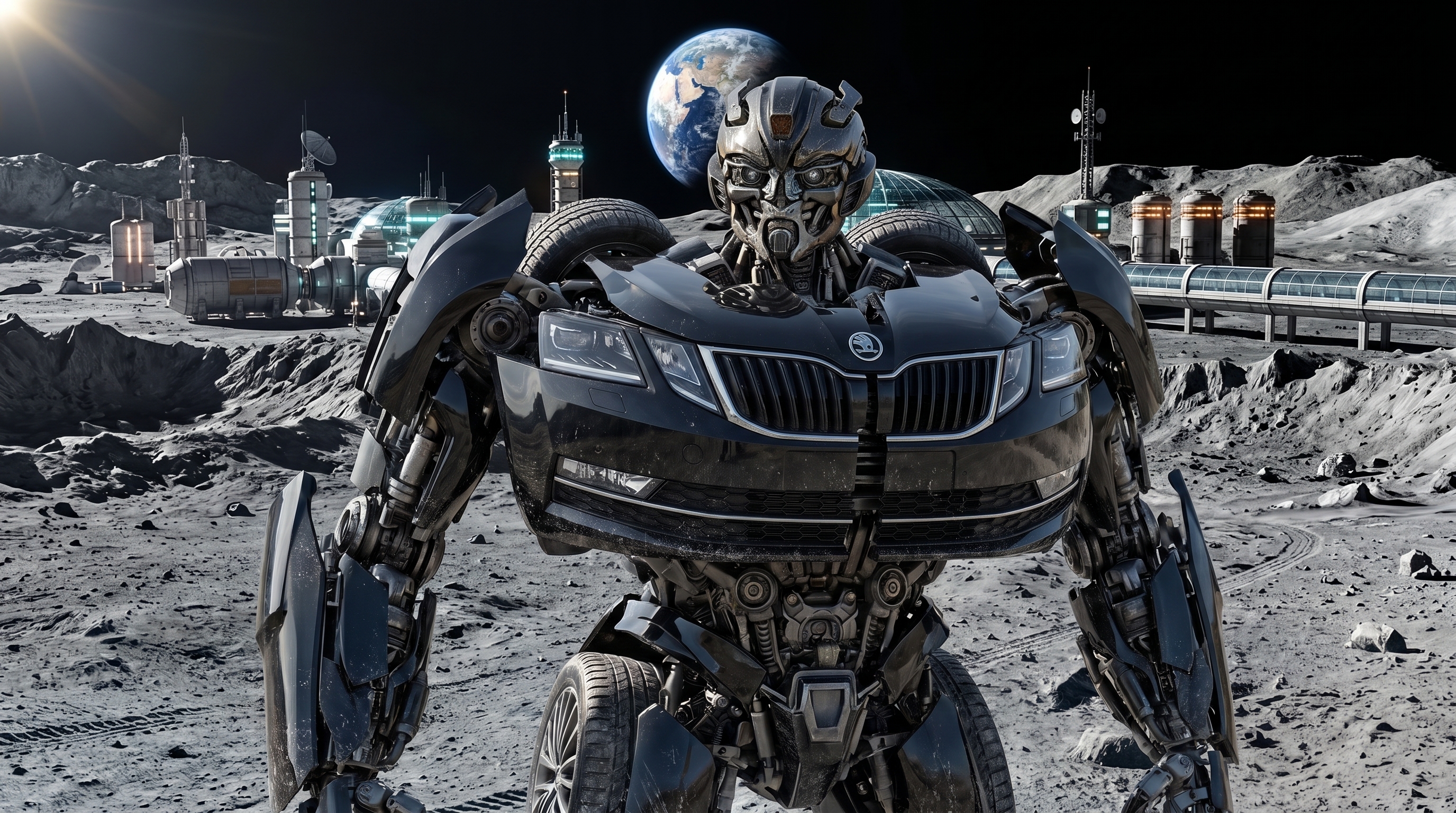
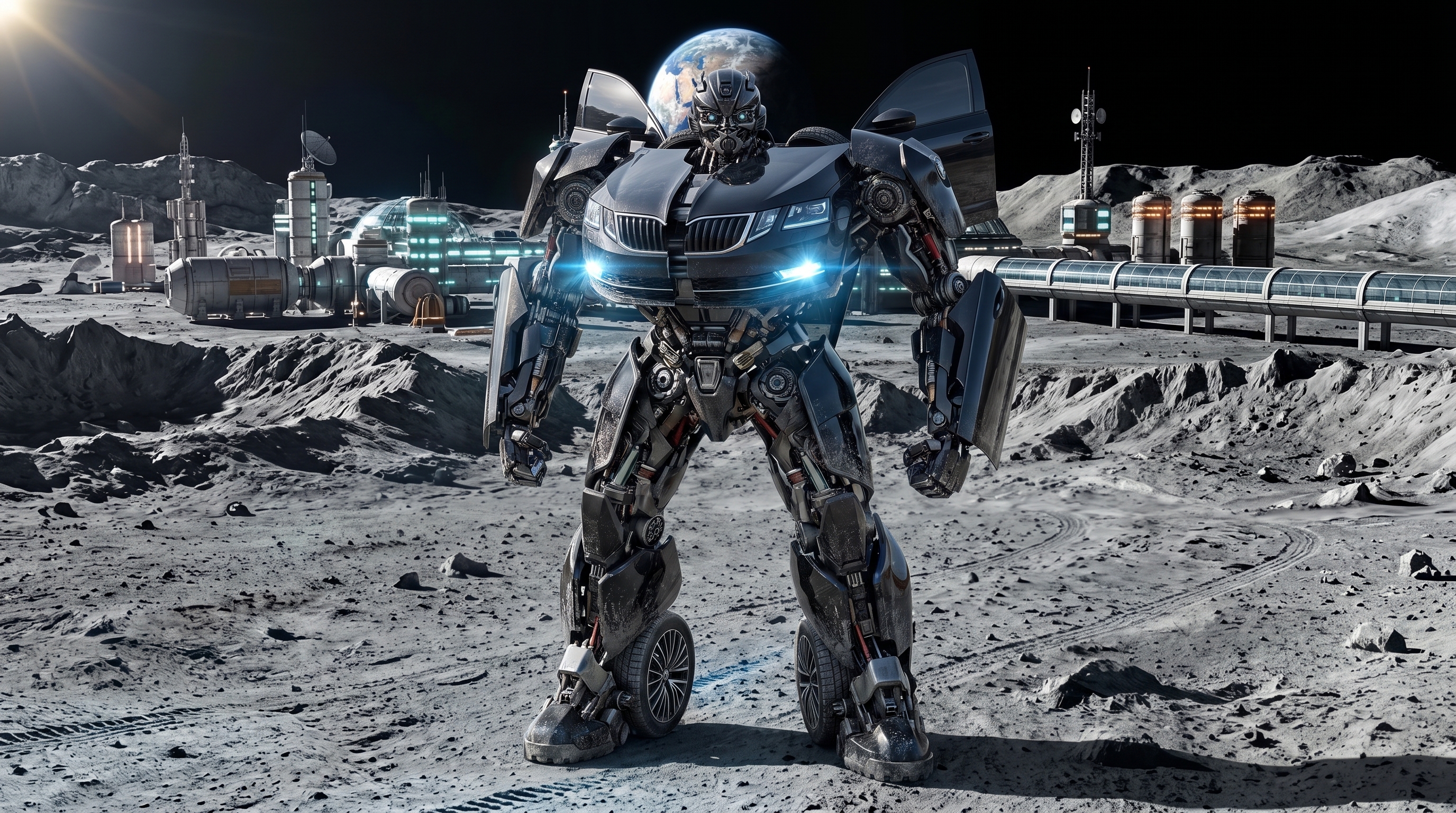
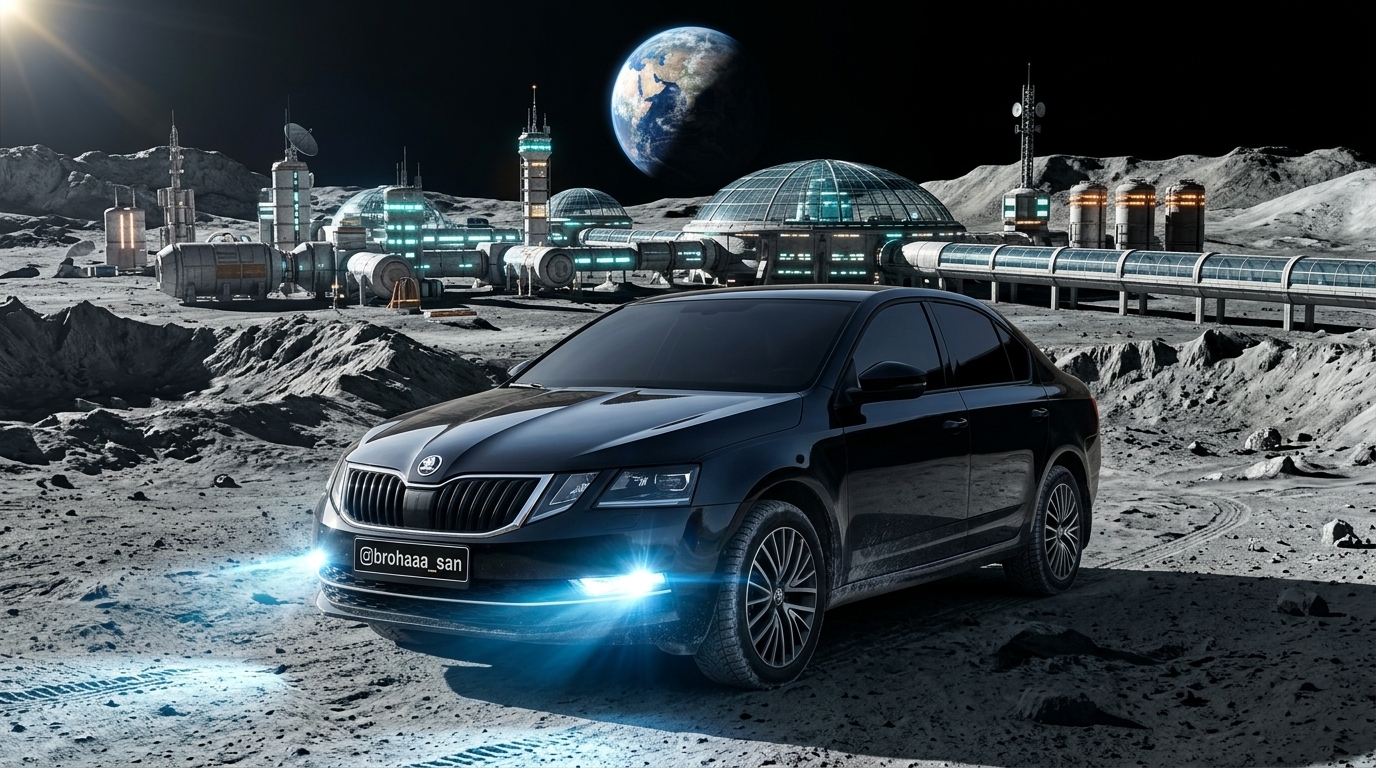
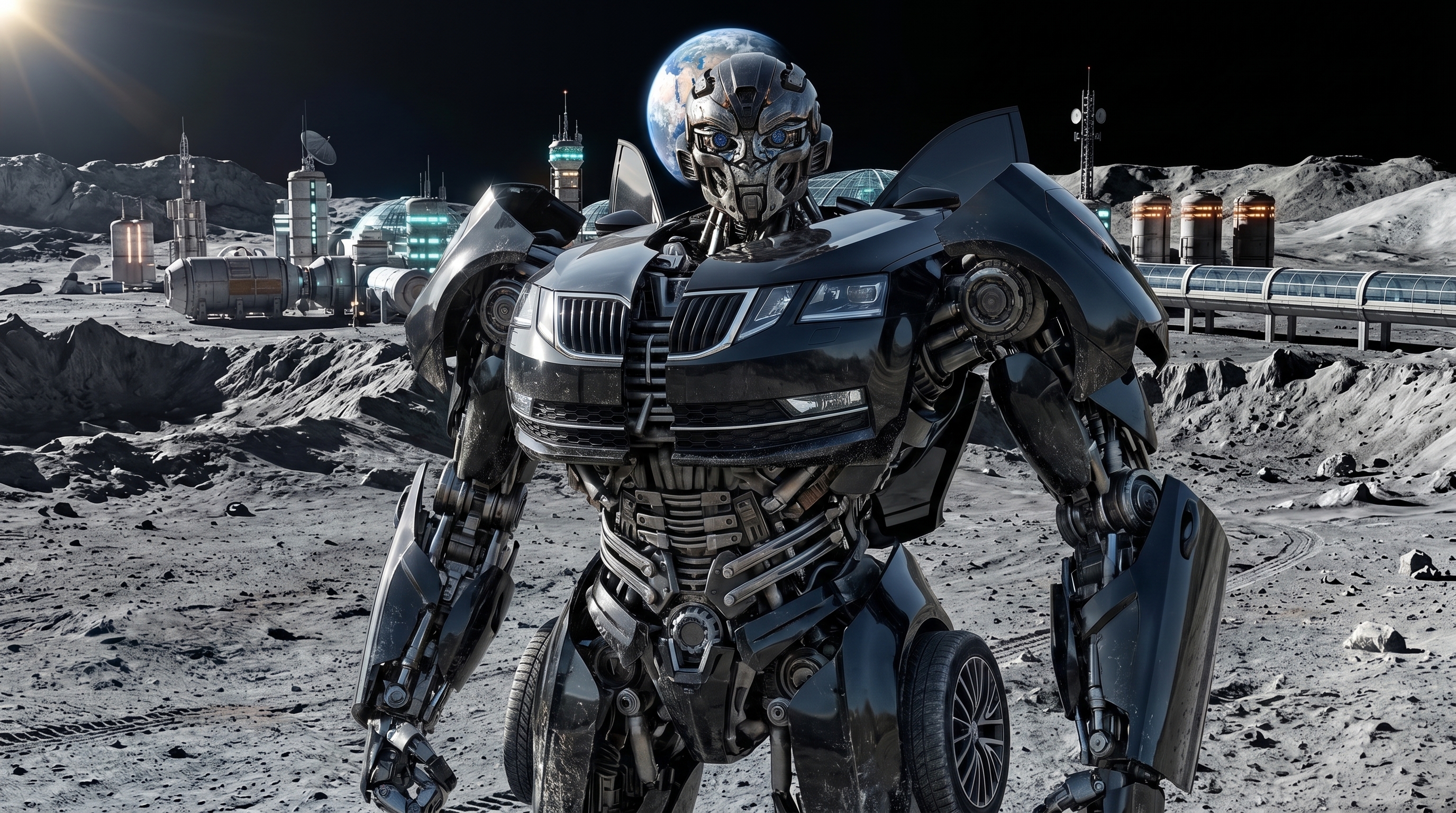
Edit the source image: transform the exact source car into a photorealistic live-action alien mechanical robot with the intricate transformation engineering, mechanical density, and aggressive industrial design language of the first two Michael Bay Transformers films. The robot must clearly originate from this one specific vehicle. Preserve the car’s identity, body color, recognizable exterior geometry, materials, wheels, lights, grille details, and distinctive design features. Build the robot through a genuine mechanical transformation: the vehicle body should unfold, split, rotate, telescope, slide, and interlock into a functional humanoid structure. Do not create a conventional humanoid robot with large car panels simply attached to its arms, chest, shoulders, or legs. Follow the provided robot reference for the logic and density of vehicle-part separation: break the source car into numerous smaller interconnected mechanical sections that form the robot’s anatomy, while creating an original robot design rather than copying the reference character. Preserve believable conservation of mass and volume. The robot should have a lean, athletic, agile silhouette with balanced humanoid proportions and a compact mechanical torso; it must not be excessively tall, wide, bulky, or massive, and it must never look as though two cars were compressed into one robot. Its scale, wheels, panels, and individual automotive components must remain physically believable relative to the original vehicle. Preserve the source car’s headlights and fog lights exactly. Their original shape, proportions, dimensions, lens design, internal optics, orientation, and recognizable appearance must remain unchanged. Integrate the original headlights and fog lights prominently into the robot’s chest in the same relative arrangement as on the source vehicle; do not redesign, reshape, stretch, rotate into an unnatural orientation, duplicate, or replace them. The chest must clearly retain the visual identity of the original front fascia, but the front bumper must not remain as one complete uninterrupted car-width piece. Mechanically split the original front bumper through its center into two separate halves. Integrate the left bumper half into the left side of the chest and the right bumper half into the right side, creating a visible mechanical separation between them while preserving the original bumper geometry and details. Use the reference image specifically as guidance for how vehicle bodywork is fragmented and distributed throughout the robot: hood sections, fenders, grille components, doors, roof, side panels, wheels, suspension elements, structural members, drivetrain components, and other recognizable vehicle parts should be mechanically redistributed into the chest, shoulders, arms, back, pelvis, thighs, knees, calves, and feet. Large exterior panels should unfold into several articulated sections where mechanically appropriate instead of hanging from the body as decorative armor. Between the recognizable car components, reveal dense functional alien machinery with interlocking metal structures, compact actuators, pistons, gears, hinges, sliding rails, cables, rotating joints, hydraulic elements, layered mechanical ribs, and articulated structural components. Every automotive component should feel mechanically connected to the transformation rather than randomly attached. Preserve the original wheels at their realistic relative size and use only the number of wheels actually present on the source vehicle. The robot’s head and face must be completely original and unique. Do not copy the face or head design from the robot reference. Create a new alien-mechanical facial architecture inspired by the visual language of the first two Michael Bay Transformers films, with complex asymmetrical layered metal facial plates, exposed micro-mechanisms, articulated mechanical cheek structures, a defined mechanical jaw, compact moving facial components, and distinctive original eyes. The face must have its own recognizable identity and silhouette and must specifically not resemble Bumblebee: avoid Bumblebee-like facial proportions, eye arrangement, mouth area, cheek structure, forehead design, helmet silhouette, or recognizable Bumblebee facial elements. The reference should influence only the overall mechanical complexity and transformation philosophy, not the identity of the character. Use realistic automotive paint with natural reflections, machined aluminum, brushed and darkened steel, exposed mechanical internals, rubber tires, glass optics, cables, subtle grease, small scratches, panel seams, realistic edge wear, and authentic material thickness. Use cinematic directional lighting inspired by large-scale live-action action filmmaking: a strong motivated key light from one side and slightly behind the robot creates controlled highlights along the automotive panels and metallic edges, while softer ambient fill reveals the dense internal mechanisms without flattening the image. Create a full-body three-quarter view from approximately eye-level camera height, with enough distance to clearly show the complete silhouette, feet, head, chest transformation, and believable scale. Keep the robot sharply readable with detailed mechanical structures, realistic photographic depth, natural reflections, subtle atmospheric depth, and physically believable integration of every component. The final image must look like the exact source vehicle has physically transformed into this robot, not like a generic robot wearing pieces of the vehicle. Prioritize the exact original shape and arrangement of the headlights and fog lights, the two-part split front bumper, believable single-car mass, reference-inspired component separation, and a completely original non-Bumblebee mechanical face. Aspect ratio 2:3, 4K.
Free to start · Generate videos and images with AI in seconds
More from this creator

More Fast gen images
См. все →