Image - 2026-10-26 12:34
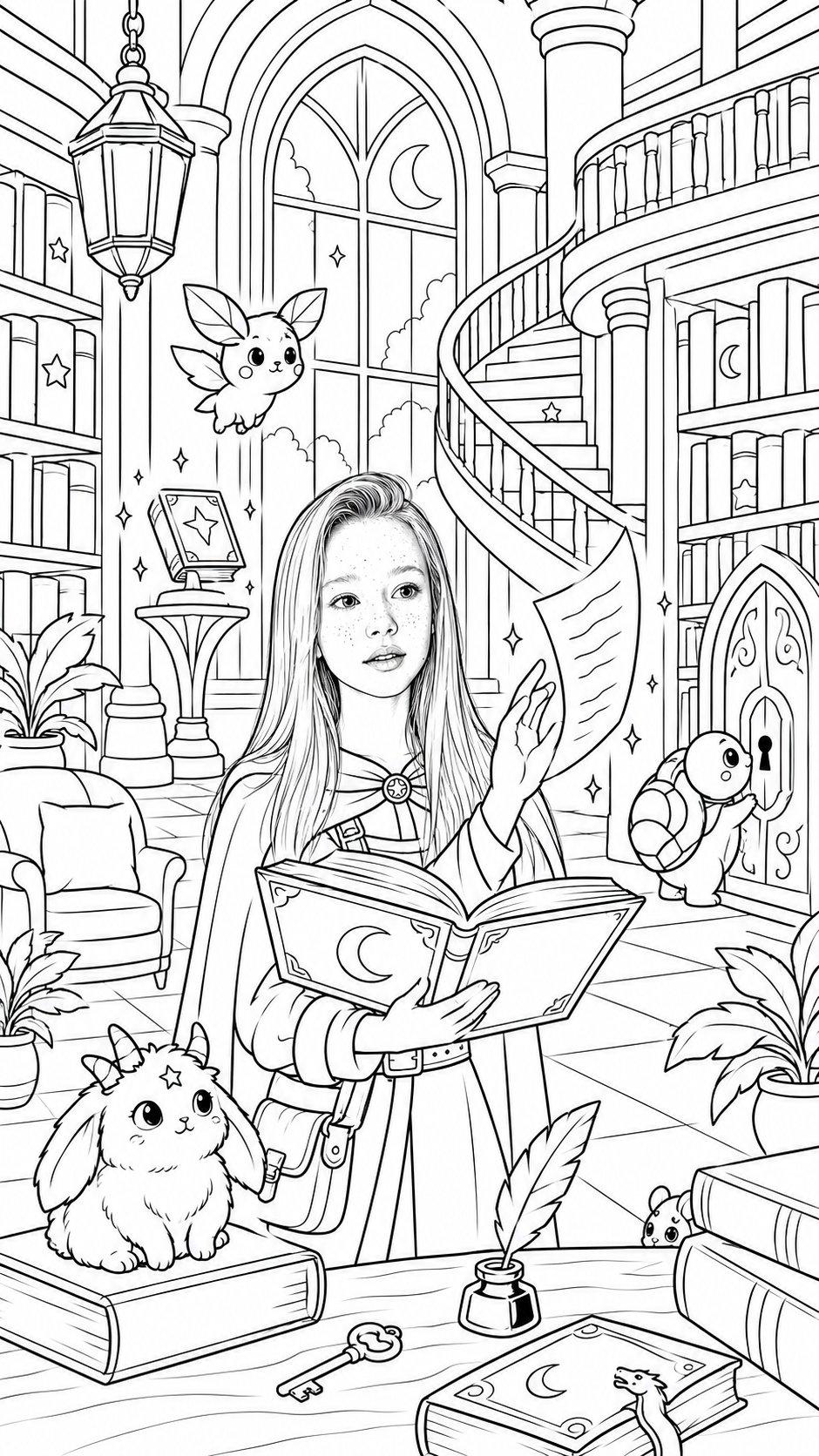
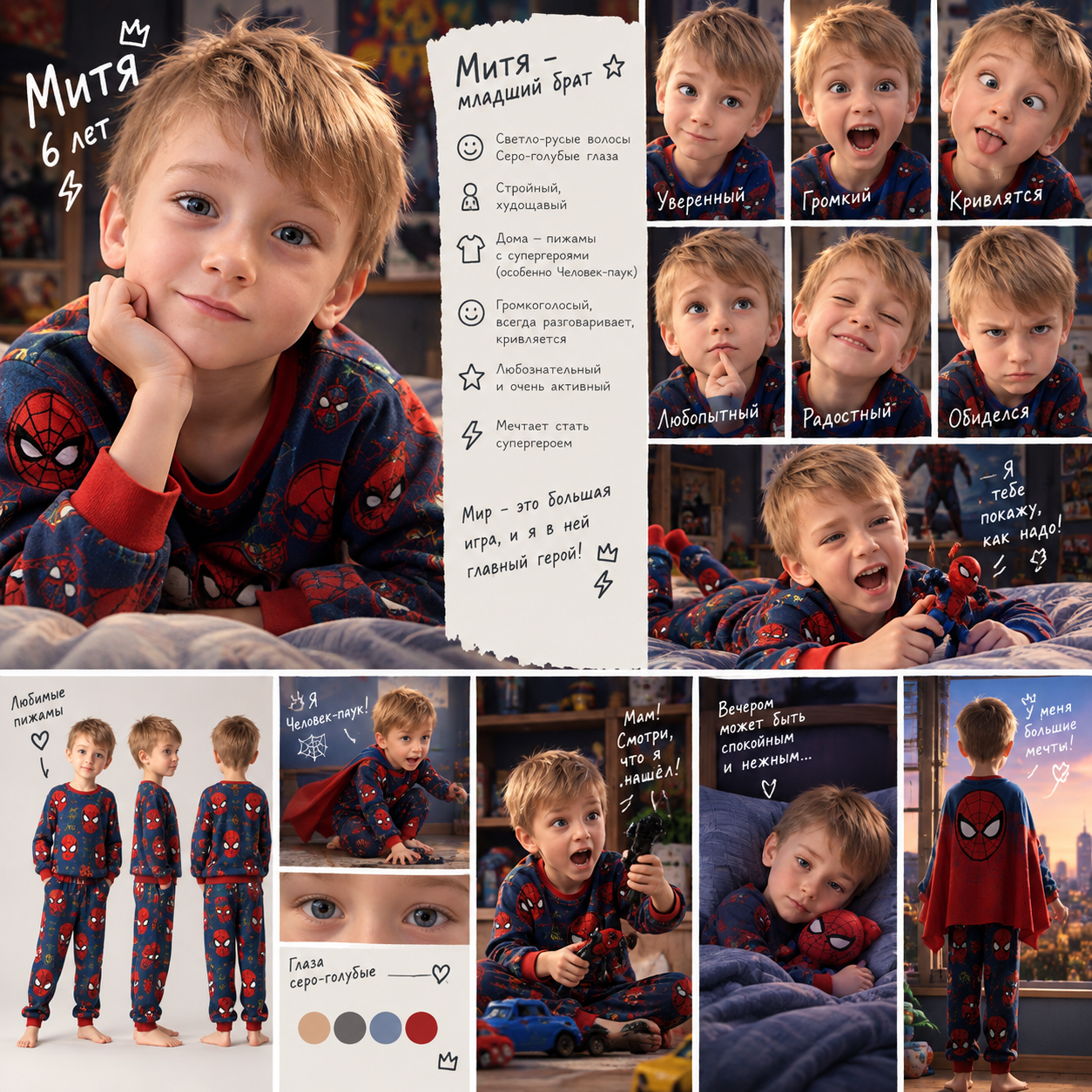
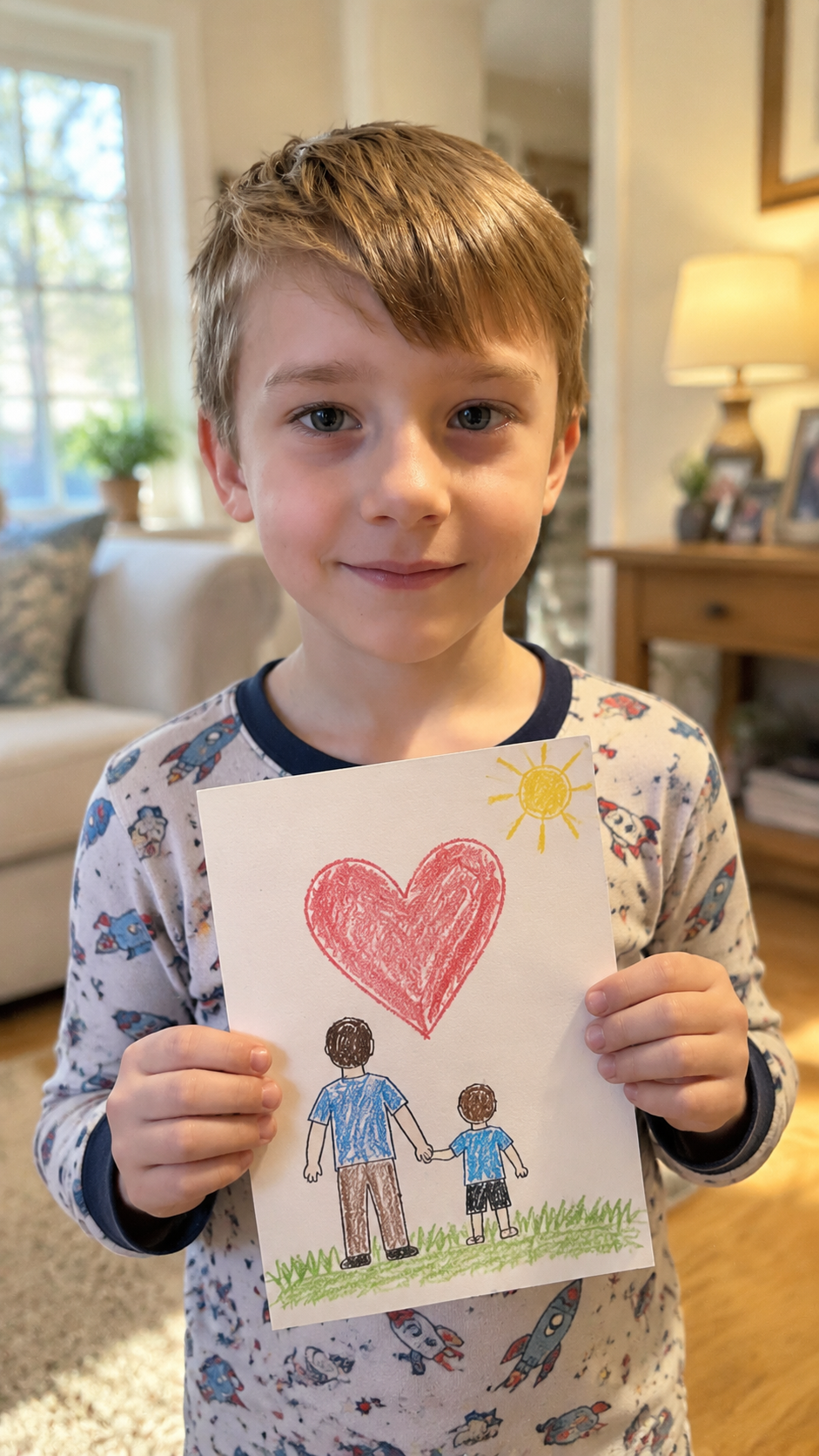
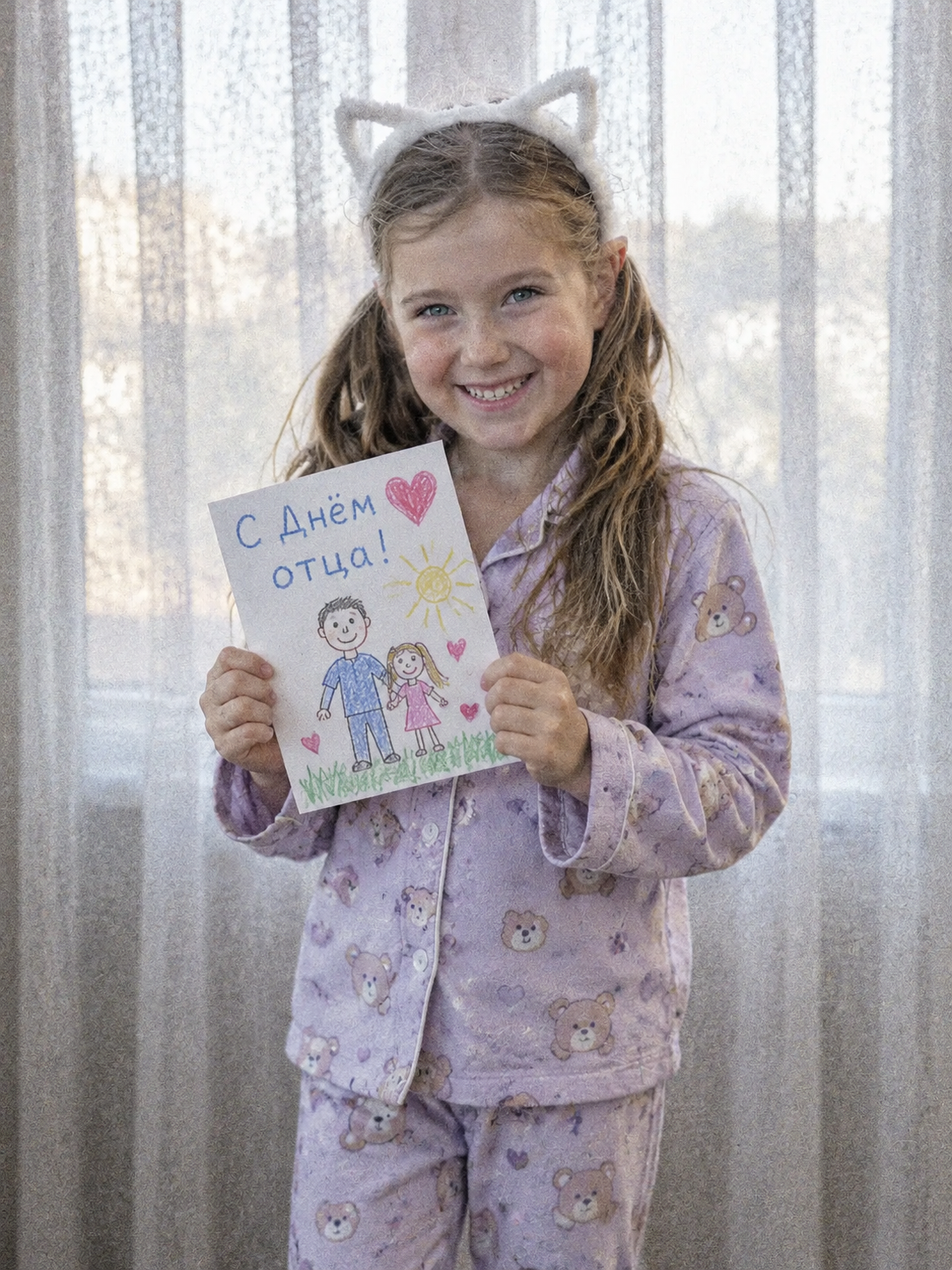
PERSONALIZED FAIRY-TALE COLORING BOOK — THE MAGICAL LIBRARY OF LOST STORIES Create a beautiful personalized coloring book illustration based on the attached reference photograph of a child. 1. CHILD IDENTITY — HIGHEST PRIORITY Use the attached photograph as the primary identity reference. The child may be a boy or a girl. Follow the actual child in the photograph without making gender assumptions. Preserve the child's recognizable facial features, face shape, eye shape and spacing, eyebrows, nose, lips, ears, hairline, hairstyle, hair length, and apparent age. The child's face should remain semi-realistic, natural, and recognizable, more realistic than the surrounding whimsical storybook world. Do not change the child's gender, hairstyle, facial proportions, or age. Avoid generic cartoon facial features, oversized eyes, or exaggerated expressions. 2. SCENE — THE MAGICAL LIBRARY OF LOST STORIES The child is exploring an enchanting ancient library where forgotten fairy tales are kept alive by magic. Show the child standing beside a large antique reading table, holding an open magical book. One hand gently touches a single large floating page emerging from the book. The child looks curious and amazed. Dress the child in a whimsical fantasy explorer outfit suitable for any child: a comfortable tunic or jacket, practical trousers, boots, a simple cloak, and a small satchel. Keep the face and hairstyle fully visible. Create a magnificent library with BIG, CLEARLY DEFINED OBJECTS and spacious areas for coloring. Include: * Two or three tall, broad bookshelves with large, clearly separated books. Each book should have a simple decorative cover, not tiny intricate patterns. * One large spiral staircase with wide steps leading to an upper gallery. * A large arched window with simple, bold frame divisions and a view of a crescent moon. * One oversized antique reading table with a few large books, a large feather quill, and a simple ink bottle. * A large hanging lantern with broad glass panels. * One large magical book floating above a pedestal, surrounded by just a few large sparkles. * A clearly visible secret door built into the bookshelf, with a large keyhole and simple ornamental carvings. * A large cozy reading nook with a cushioned chair and one oversized pillow. * Broad decorative columns and large stone floor tiles. * A few large leafy plants in simple pots. Keep the architecture grand and magical, but avoid crowding the scene. Every decorative element should be large enough to color comfortably. 3. OUR THREE ORIGINAL MAGICAL CREATURES Include the three recurring original creatures, with consistent designs and simple, readable shapes. Zip: a small fluffy, rounded creature with long expressive ears, two tiny curved horns, and a five-pointed star marking on its forehead. Place Zip sitting on a large closed book on the reading table. Plum: a tiny floating creature with leaf-shaped ears, small wings, and three spots on each cheek. Show Plum floating near the large arched window. Tuk: a small inventive creature with a rounded body and a shell-shaped backpack. Place Tuk beside the secret bookshelf door, examining its large keyhole. Keep each creature clearly visible and separated from nearby objects. Use simple silhouettes and minimal internal details. Do not imitate existing copyrighted characters. 4. HIDDEN OBJECTS Hide exactly five small five-pointed stars throughout the illustration. Place them in accessible, clearly defined areas, such as on a book cover, beside the window, near the secret door, on the staircase, and near the reading nook. Also include: * One dragon-shaped bookmark, large enough to recognize easily. * One book with a simple crescent moon symbol on its cover. * One small mechanical mouse peeking out from behind a large book. * One antique key resting on the reading table. Keep these objects separate and easy to identify. They are additional to the five hidden stars. 5. LARGE-SHAPE COLORING DESIGN — VERY IMPORTANT The illustration must be designed for comfortable coloring by children aged 8–12. Prioritize large and medium-sized shapes over tiny decorative details. * Use broad bookshelves, large books, wide staircase steps, large window panes, spacious floor tiles, and oversized furniture. * Make the main objects occupy substantial areas of the page. * Keep open spaces inside books, furniture, clothing, walls, floor tiles, and architectural elements. * Use only a few large decorative motifs instead of many tiny patterns. * Limit the number of books and decorative objects. Every item should have a clear purpose. * Use broad, smooth outlines and clearly separated shapes. * Avoid dense clusters of objects and overlapping contours. * Leave comfortable gaps between the child, creatures, furniture, and background decorations. * Keep the child's face free from surrounding lines and visual clutter. * Use simple interior details: one or two large motifs per object rather than repeated tiny ornaments. * Ensure the main shapes are large enough to color with ordinary colored pencils or markers without excessive precision. The page should feel rich and magical through its grand architecture and carefully chosen objects, NOT through an overwhelming number of tiny details. 6. COMPOSITION AND VISUAL HIERARCHY Use a clear three-level composition: Foreground: the child, the large reading table, and the three magical creatures. Middle ground: the secret bookshelf door, the large spiral staircase, and the main bookshelves. Background: the broad arched window, a few large architectural details, and open wall areas. The child must remain the main focal point. The library should feel spacious, inviting, and full of wonder. Use a hybrid style: a semi-realistic, recognizable child surrounded by whimsical, softly stylized storybook architecture and creatures. 7. STRICT BLACK-AND-WHITE LINE ART * Pure black outlines on a pure white background. * No color, grayscale, shading, gradients, or halftones. * No crosshatching, sketch texture, or dense hatching. * No large solid black areas. * No tiny repetitive patterns, intricate filigree, or excessive micro-details. * Use smooth, confident, consistent outlines. * Keep shapes clearly enclosed wherever practical. * Avoid unnecessary texture lines inside large objects. * No text, lettering, logos, watermarks, or page numbers. 8. PRINT-READY FORMAT Portrait A4 page, 210 × 297 mm, designed as a printable children's coloring page. Keep all important elements within safe print margins. Use a balanced, uncluttered composition with generous white space. The page must be easy and enjoyable to color, with large decorative elements, medium-level complexity, and only a few small hidden discoveries. FINAL GOAL: Create a magical library coloring page that preserves the child's real identity while featuring grand, beautiful, easy-to-color storybook scenery. The illustration should look polished and enchanting, but never crowded or overly intricate. Choose fewer, larger objects instead of many tiny decorations.
Free to start · Generate videos and images with AI in seconds
More from this creator

More GPT Image 2 images
См. все →