Image - 2026-11-27 07:45
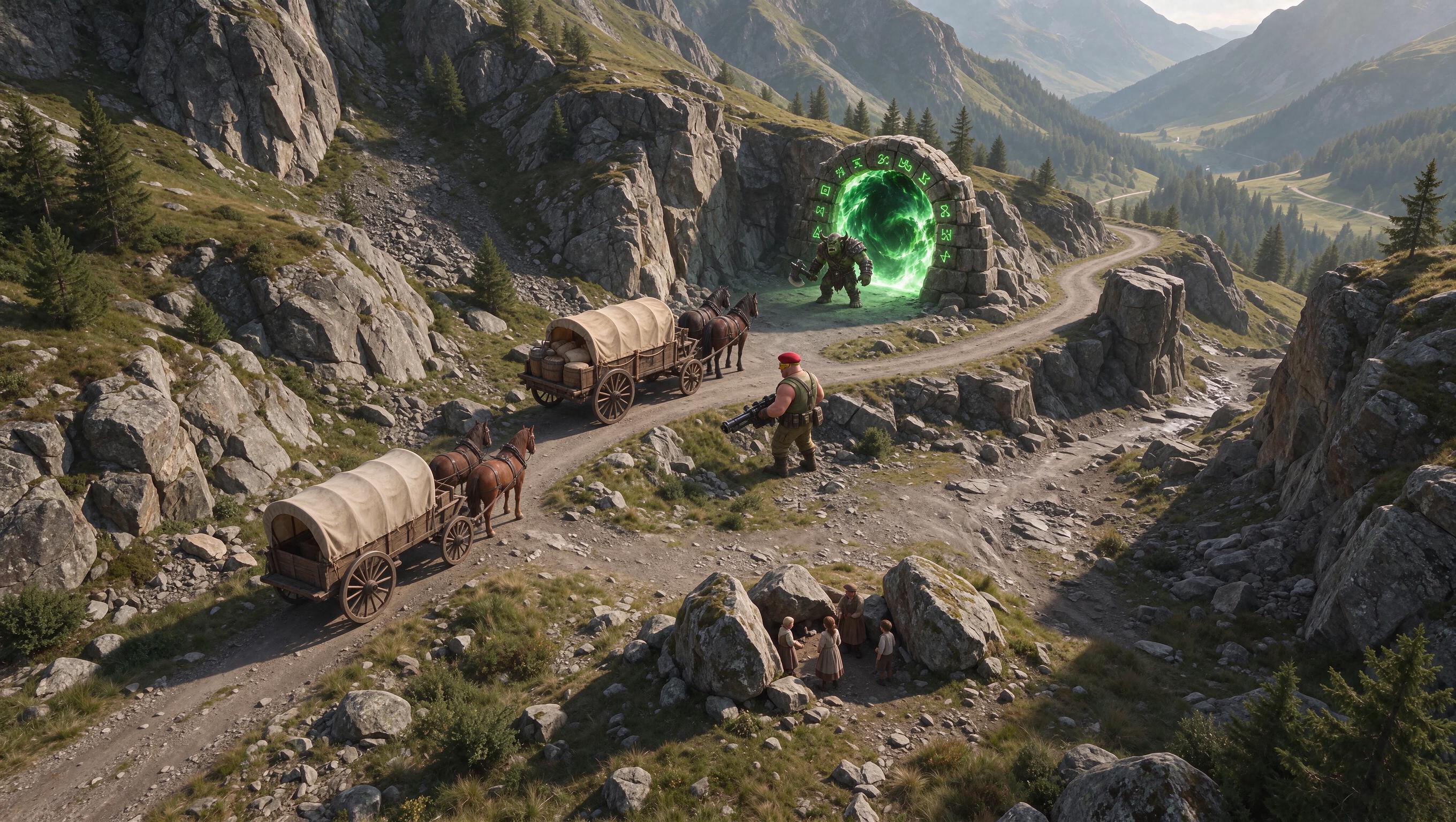
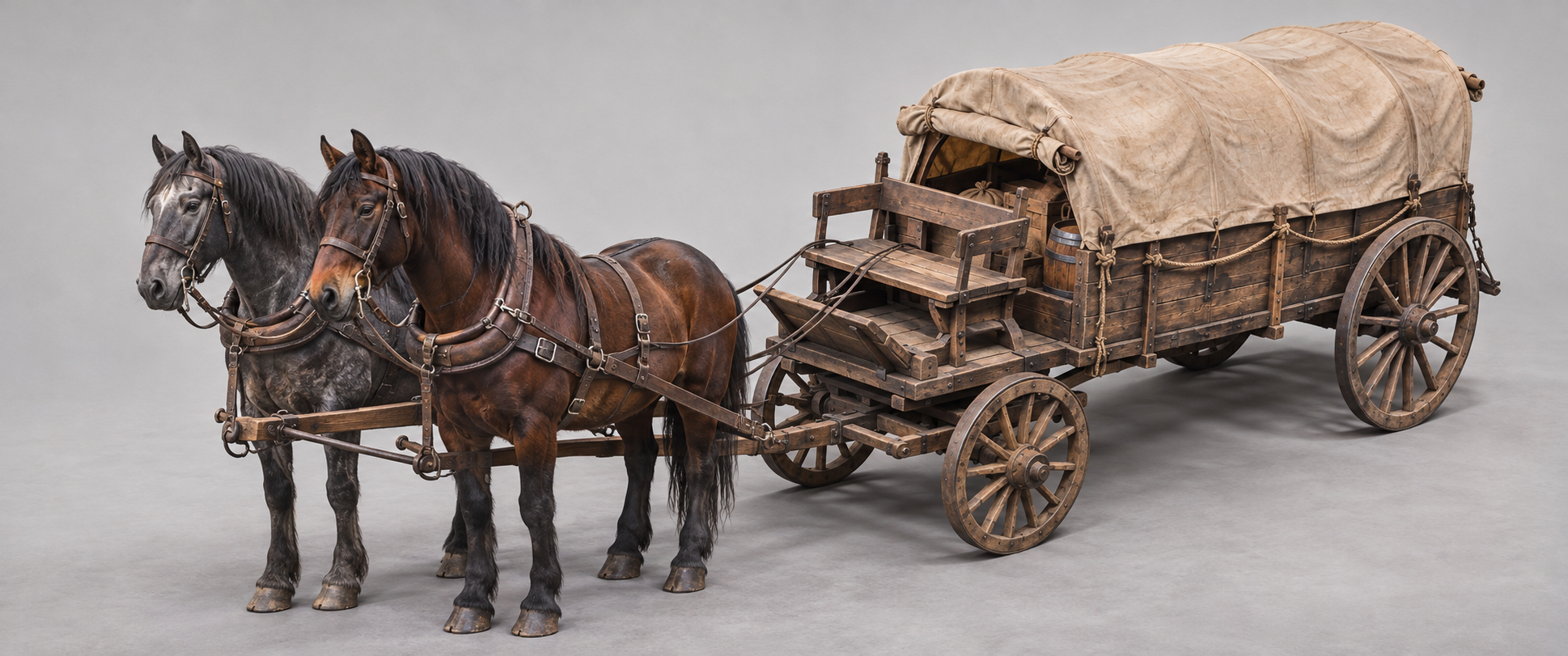
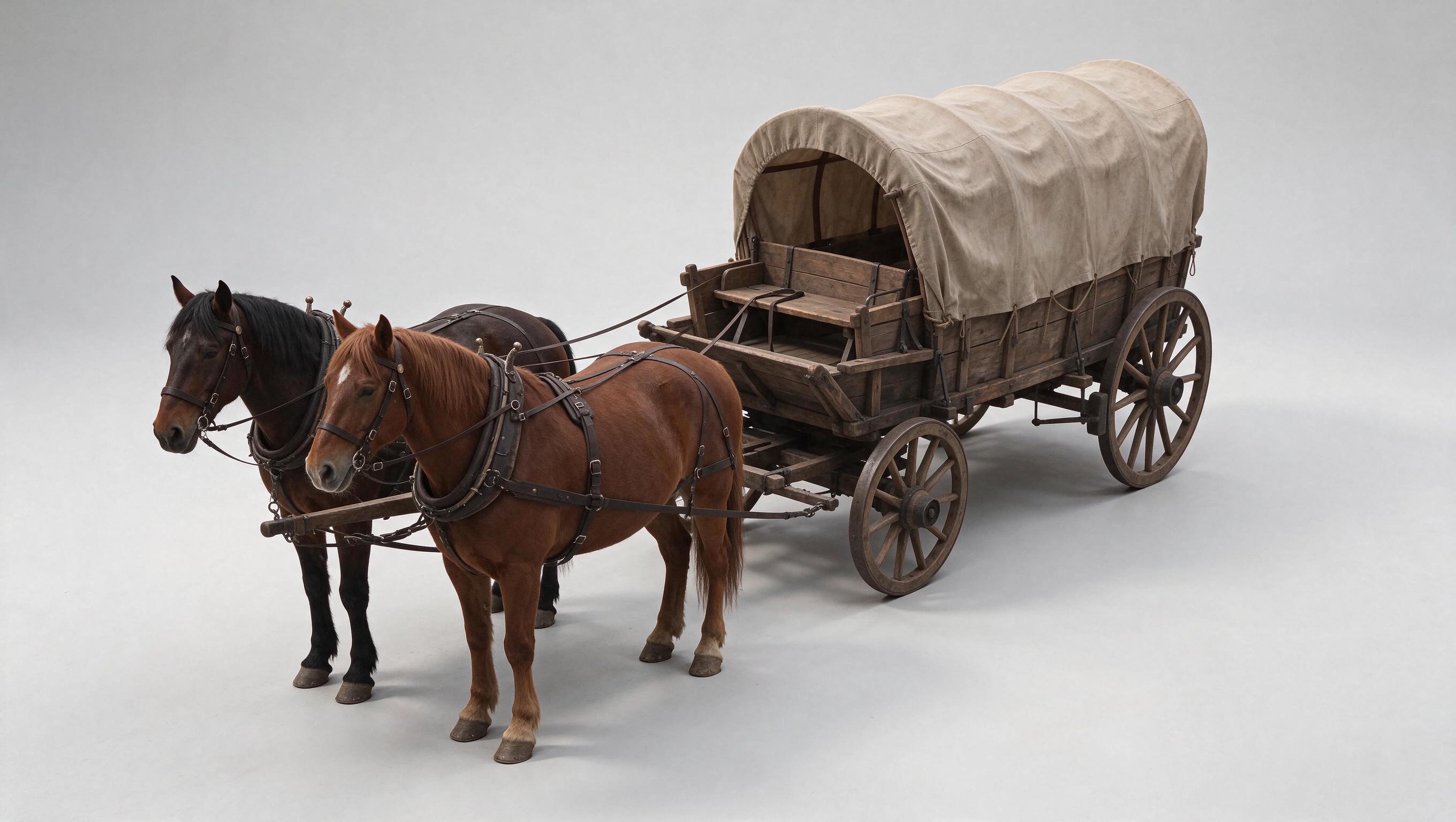
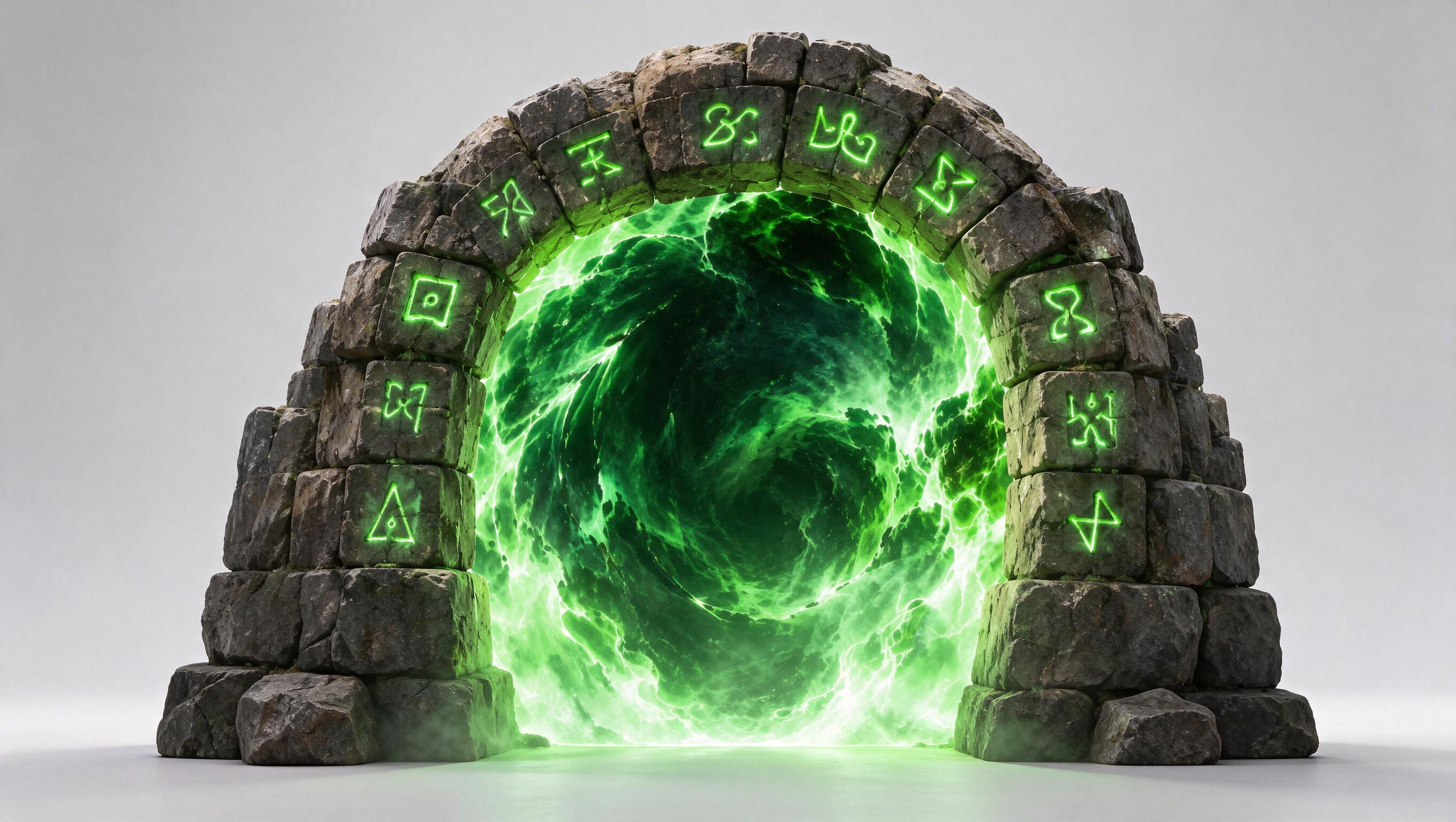
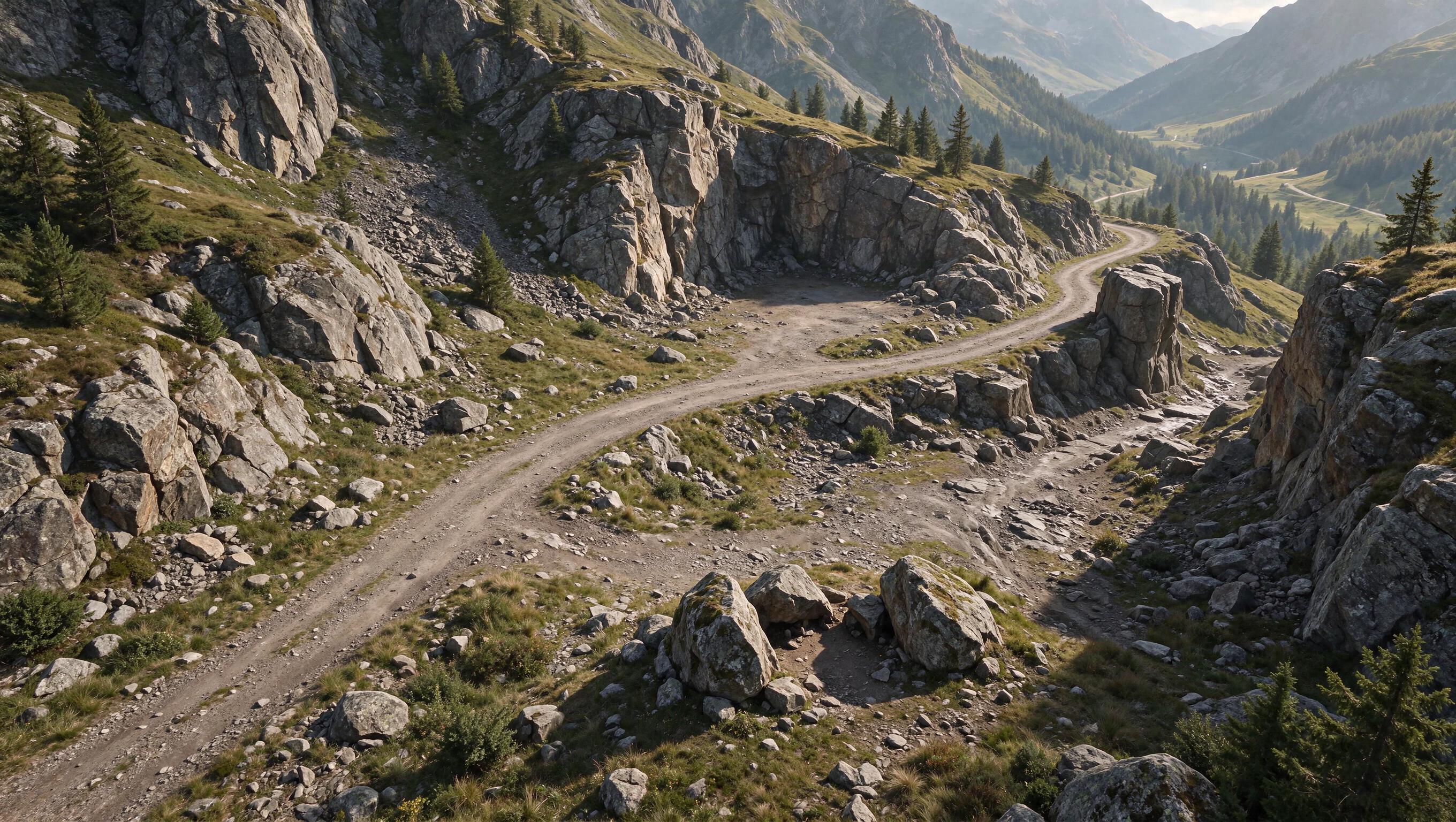
# ROAD OF WORLDS — ACT I ## LOCATION L01 — OFFICIAL CINEMATIC BLOCKING REFERENCE ### Caravan, Ancient Portal, Orc and Civilian Shelter ### Photorealistic Oblique Aerial Production Layout EDIT THE UPLOADED APPROVED MOUNTAIN LOCATION IMAGE. Create ONE exceptionally photorealistic cinematic production reference showing the EXACT approved mountain filming location with all principal story elements positioned correctly. This is a MASTER SPATIAL BLOCKING REFERENCE for the live-action fantasy film ROAD OF WORLDS — ACT I, based on Chapter 6, "The Door That Should Not Exist." The image must help the film director and future AI image-generation system understand the permanent geography and the relative positions of every important object. **CRITICAL: THIS IS NOT A NEW LOCATION.** The first uploaded image is the APPROVED LOCATION MASTER. Preserve its geography, landscape, camera, mountains, road, portal clearing, boulder shelters and rocky battle passage. The remaining references show the approved individual objects that must be inserted into this exact environment. The output must look like one real oblique aerial photograph of a film set with practical wagons and a cinematic visual-effects portal. No stylized map. No miniature diorama. No illustrated concept art. No multiple panels. --- # 1. REFERENCE PRIORITY REFERENCE IMAGE 1 — APPROVED MOUNTAIN LOCATION L01. This is the absolute master for: - Landscape layout. - Main road geometry. - Mountains. - Cliffs. - Rocky terrain. - Portal clearing. - Foreground protective boulders. - Natural rocky gully. - Distinctive right-side stone buttress. - Vegetation. - Camera position. - Daylight and atmospheric perspective. **PRESERVE REFERENCE 1 AS EXACTLY AS POSSIBLE.** REFERENCE IMAGE 2 — APPROVED ANCIENT EMERALD PORTAL. Use this image as the exact object-design reference. Preserve its: - Massive ancient stone arch. - Large irregular stone blocks. - Broad proportions. - Green runic engravings. - Dark central emerald vortex. - Stone material. - Overall structure. Do not redesign the portal. REFERENCE IMAGE 3 — APPROVED PASSENGER WAGON. Preserve the original covered wooden wagon, faded beige canvas canopy, exterior driver's bench, four wooden wheels and two harnessed horses. REFERENCE IMAGE 4 — APPROVED CARGO WAGON. Preserve the original covered wooden freight wagon, cargo arrangement, exterior driver's bench, four wooden wheels and two harnessed horses. **REFERENCE PRIORITY:** 1. Preserve the original mountain geography. 2. Preserve the original road and all natural landmarks. 3. Insert the exact approved portal. 4. Insert the two approved wagons. 5. Place the characters in spatially logical positions. 6. Maintain the original photorealistic cinematic style. --- # 2. CAMERA — EXACT MATCH TO LOCATION MASTER The final image must retain the same helicopter-style oblique aerial camera viewpoint as Reference Image 1. Do not change the camera position. Do not change the viewing direction. Do not move or rotate the mountains. Do not alter the road curvature. Do not shift the distinctive rock formations. Do not zoom in dramatically. Do not turn the image into a vertical overhead map. Maintain the same elevated diagonal perspective, looking across the mountain road and into the distant valley. All inserted objects must follow the correct ground perspective. Their sizes must decrease naturally with distance from the camera. The portal must not appear unrealistically large or small relative to the cliffs. The wagons must not appear larger than the road allows. The final composition must remain a single, geographically continuous landscape photograph. **IMAGE FORMAT: 16:9.** Use the highest available native output quality. --- # 3. MAIN ROAD — NEVER MODIFY The approved dirt-and-gravel road begins at the LOWER LEFT edge of the photograph, travels diagonally across the landscape, passes the broad central rocky clearing and curves toward the UPPER RIGHT background. It continues toward the distant green mountain valley. This road is the normal travel route used by the merchant caravan. **IT IS NOT A DEAD END.** The road must remain: - Continuous. - Physically traversable. - Natural in appearance. - Wide enough for medieval horse-drawn wagons. - Free of large permanent obstructions. - Identical in shape to the approved location reference. Do not generate an additional road. Do not turn the rocky gully on the right into a roadway. Do not generate a tunnel. Do not create a bridge. Do not change the mountain-pass geometry. The two wagons must be positioned ON the existing road, not on newly invented tracks. --- # 4. APPROVED PORTAL — EXACT PLACEMENT **LOCATION: THE LARGE EMPTY ROCKY CLEARING AT THE BASE OF THE MAIN CENTRAL CLIFF, ON THE FAR SIDE OF THE ROAD.** Place the ancient emerald portal from Reference Image 2 inside this existing clearing. The portal stands directly on the natural gravel and compacted rocky ground. Its lower stone bases must make physically convincing contact with the terrain. Approximate real-world dimensions: - Height: 5.5–6 meters. - External width: approximately 7–8 meters. It must be visibly monumental but correctly scaled relative to the landscape. The portal is positioned several meters behind the road, closer to the base of the cliff. **IMPORTANT: THE PORTAL MUST NOT STAND ON THE MAIN ROAD.** It must not block the road. It must not replace the road. It must not be attached to a tunnel. It must not become a cave entrance. It must not merge with the natural cliff wall. The stone arch must remain a separate, freestanding construction with a small amount of open ground behind and around it. ### ORIENTATION Rotate the portal around its vertical axis only as needed to face approximately toward the approaching caravan. The portal opening should face the main road and slightly toward the lower-left portion of the image. From the elevated camera, the audience must be able to see: - The stone arch. - Its original engraved runes. - The dark emerald energy vortex. - Both massive lower stone supports. - The front-facing opening. Preserve the portal's approved shape and structure. Do not create a different portal. ### ENVIRONMENTAL INTEGRATION Add physically believable contact shadows and subtle reflected emerald light around the bases. A small amount of green illumination may fall on the nearby rock surfaces and ground. Do not alter the entire landscape's daylight color. Do not obscure the portal with excessive smoke or flying rocks. The portal is already fully assembled and active in this blocking reference. This is NOT the formation sequence. --- # 5. CARAVAN POSITION — TWO WAGONS ONLY Place exactly TWO complete horse-drawn medieval covered wagons on the existing main road. The wagons travel from the LOWER LEFT foreground toward the UPPER RIGHT background. They are stopped during the first supernatural encounter. Both wagon teams must face FORWARD along the road, toward the distant valley. Do not turn the wagons to face the camera. Do not position them sideways across the road. Do not place the wagons on the rocky portal clearing. Do not place them on steep slopes. Do not block the entire road with vehicles. Both wagon teams must have believable physical scale and proper ground contact. --- # 6. FRONT WAGON — CARGO WAGON **POSITION: CENTRAL PORTION OF THE ROAD, CLOSER TO THE PORTAL CLEARING.** The cargo wagon from Reference Image 4 is the LEADING wagon in this production layout. It is slightly farther along the road than the passenger wagon. Its horses face toward the upper-right continuation of the road. The wagon carries: - Grain sacks. - Wooden crates. - Ordinary medieval tools. - A wooden barrel. - Secured cargo beneath the canvas-covered body. Preserve the original dark weathered timber and beige canvas canopy. Preserve its external driver's bench and long wooden drawbar. Keep two realistically harnessed horses attached. The wagon is completely intact in this reference. **STORY PURPOSE:** This is the wagon the giant orc will attack and damage during the later combat sequence. Therefore, it must be relatively accessible from the portal clearing. There must be open terrain allowing the orc to move from the portal toward this wagon. The orc must not need to cross an impassable ravine or climb a cliff. **IMPORTANT: DO NOT SHOW THE WAGON BEING DESTROYED.** No broken wheels. No falling crates. No smashed wooden boards. No fire. No combat impacts. This is a spatial staging image BEFORE the destructive attack. --- # 7. REAR WAGON — PASSENGER WAGON **POSITION: LOWER-LEFT / CENTER-LEFT SECTION OF THE ROAD, BEHIND THE CARGO WAGON.** Place the approved passenger wagon from Reference Image 3 approximately 8–12 meters behind the cargo wagon. It must face the same direction as the leading cargo wagon. Preserve: - A curved faded beige fabric canopy. - Weathered wooden construction. - External wooden driver's bench. - Four wooden wheels. - Correctly harnessed pair of horses. - Authentic medieval travel-wagon proportions. The wagon is intact. The rear passenger wagon is closer to the natural foreground boulder shelter. This positioning is important because three young children and the main wagon driver will escape toward these protective rocks during the attack. There must be an accessible path from the passenger wagon to the foreground boulder cluster. Do not invent a third wagon. Do not turn the passenger wagon into the cargo wagon. Do not place the passenger wagon directly between the portal and the leading cargo wagon. Both wagons must remain distinct and recognizable. --- # 8. CIVILIAN SHELTER — THREE FOREGROUND BOULDERS **POSITION: THE EXISTING GROUP OF THREE LARGE NATURAL BOULDERS IN THE LOWER CENTRAL FOREGROUND, ON THE NEAR SIDE OF THE MAIN ROAD.** Preserve these rocks exactly as shown in Reference Image 1. They form the approved shelter for the civilian characters. Do not replace them. Do not enlarge them excessively. Do not move them onto the road. Do not convert them into an artificial stone wall. The protected side of the boulder cluster faces AWAY from the portal and the central battle area. Place four small, correctly scaled human figures in or immediately behind the natural shelter: 1. One middle-aged medieval wagon driver with a brown hat and dark beard. 2. One younger girl wearing simple old-fashioned rural clothing and a headscarf. 3. One slightly taller girl in a modest rural dress and skirt. 4. One young boy in simple peasant clothing. These figures are only small spatial reference markers within the aerial image. They must be physically positioned on the ground and partially sheltered by the rocks. Do not exaggerate their sizes. Do not create detailed close-up faces. Do not add other civilians. No duplicate children. No duplicate driver. **STORY PURPOSE:** The boulders must clearly provide protection from the direction of the portal and approaching orc. The passenger wagon and these boulders must remain relatively close to each other. --- # 9. BOOMMM — INITIAL DEFENSIVE POSITION Place ONE small but identifiable human figure representing BOOMMM near the leading cargo wagon, on the open-road side facing the portal clearing. He is a muscular adult soldier approximately 1.8–1.9 meters tall. Recognizable identifying features: - Red military beret. - Yellow-tinted protective glasses. - Olive-green sleeveless military shirt. - Muscular arms. - Khaki military cargo pants. - Military boots. - Combat equipment. - Large belt-fed firearm. Boommm stands firmly on the road or firm roadside ground. He faces generally toward the portal and the emerging threat. His firearm is held ready but he is not firing. He is not running. He is not jumping. He is not attacking. He is not duplicated in several places. **EXACTLY ONE BOOMMM.** This is a spatial marker for the initial confrontation, not a character portrait. The surrounding road must remain visible. Do not create an oversized soldier. Keep his scale consistent with the wagons and the environment. --- # 10. GIANT ORC — INITIAL THREAT POSITION Place ONE gigantic armored green-skinned orc just OUTSIDE the active portal opening, on the rocky clearing. The orc is approximately 3.5–4.5 meters tall, substantially larger than a human. He has: - Massive muscular proportions. - Green skin. - Brutal dark metal armor. - Heavy fur elements. - Large horned headgear. - A massive battle axe. - Intimidating physical presence. The orc stands on the natural rocky ground in front of the portal. He faces toward the leading cargo wagon and Boommm. He must be positioned OUTSIDE the vortex, so his figure remains readable. Do not place him in the middle of the road. Do not place him directly beside the children. Do not show him already smashing the wagon. Do not create multiple orcs. **EXACTLY ONE ORC.** **STORY PURPOSE:** This is the starting point of the orc's future charge. There must be a plausible continuous route from his position on the clearing to the cargo wagon and central battle ground. The orc and Boommm must be clearly separated in space before their physical confrontation begins. --- # 11. CENTRAL BATTLE SPACE — KEEP OPEN Preserve the open ground between: - The portal clearing. - The leading cargo wagon. - The road. - The central rocky terrain. This area must remain geographically accessible. Do not fill the central area with additional large boulders, trees or ruins. Do not introduce unnecessary terrain obstacles that prevent character movement. Future actions occurring here include: - The orc's charge. - Boommm's defensive movement. - Gunfire toward the attacking creature. - The orc's approach to the cargo wagon. - The orc's attack against the cargo wagon. - Boommm drawing the orc away from the civilians. **DO NOT SHOW THESE ACTIONS NOW.** No gunfire. No explosion. No broken wagon. No action blur. No battle destruction. This master layout only establishes where the action WILL occur. --- # 12. FINAL BATTLE LANDMARK — RIGHT-SIDE STONE BUTTRESS On the RIGHT side of the image, near the existing narrower stretch of the continuous mountain road, preserve the approved tall natural stone outcrop from Reference Image 1. This distinctive stone formation is an essential permanent landmark. Its purpose is to establish the location of the future final confrontation. Boommm will later maneuver toward this rocky section while being pursued by the orc. The stone outcrop provides a hard natural obstacle during the final battle. **PRESERVE ITS CURRENT FORM AND LOCATION.** Do not move it. Do not replace it. Do not add a new artificial pillar. Do not generate a stone fortress. Do not create a second portal. Do not place another Boommm or another orc here. No future-action duplicates. The natural road must remain traversable beside the rock. The distant mountain valley must remain visible. --- # 13. GEOGRAPHICAL CONTINUITY The final image must clearly establish the correct permanent spatial relationships: A. The road enters the lower-left foreground. B. The rear passenger wagon stands along the incoming section of the road. C. The leading cargo wagon stands farther along the same road. D. The ancient portal occupies the separate rocky clearing behind the road, at the base of the central cliff. E. The giant orc stands near the portal, facing the caravan. F. Boommm stands near the leading cargo wagon, facing the threat. G. The medieval driver and three children shelter behind the existing large foreground boulders. H. The distinctive tall rocky outcrop on the right marks the future final confrontation. I. The road continues beyond this rocky outcrop toward the distant valley. **ALL ELEMENTS BELONG TO ONE SINGLE LOCATION.** No disconnected sets. No impossible distances. No floating characters. No scale inconsistencies. No sudden extra roads. No overlapping portal and wagon geometry. No obstructed caravan route. --- # 14. PHOTOGRAPHIC AND CINEMATIC QUALITY Create the image in the style of authentic Hollywood live-action production photography. Photorealistic Oblique Aerial Location Photography. Hollywood Cinematic Hyperrealism. ARRI Alexa 35 cinematic characteristics. Natural daylight. Authentic mountain geology. Physically correct sunlight and contact shadows. Subtle atmospheric perspective. Professional cinematic optics. Realistic materials. Natural color grading. Wide dynamic range. Extreme image cleanliness. **PRESERVE THE LIGHTING OF REFERENCE IMAGE 1.** Do not change the time of day. Do not change the sky. Do not change the weather. Do not change the direction of sunlight. Do not make the environment darker merely because a portal is present. The emerald portal may produce localized reflected green light only around its immediate surroundings. The inserted characters and vehicles must share the same light direction, color temperature and shadows as the original terrain. No cartoon effects. No computer-game look. No synthetic grass. No plastic stone. No muddy textures. No excessive noise. No artificial sharpening. No oversaturated HDR. No low-resolution props. No miniature appearance. The result must resemble a genuine aerial photograph of a Hollywood fantasy film set. --- # 15. CLEAN PRODUCTION IMAGE — NO GRAPHIC OVERLAYS This is a visual blocking reference, not an infographic. Show the real environment and the objects directly. **DO NOT ADD:** - Text labels. - Russian captions. - English captions. - Numbers. - Arrows. - Colored circles. - Dotted movement paths. - Legends. - Location diagrams. - Mini-maps. - Insets. - Multiple camera views. - Storyboard panels. - Graphic user interfaces. - Decorative borders. - Logos. - Watermarks. The viewer must understand where everything is through the actual visual arrangement. Preserve one large uninterrupted aerial image. --- # 16. STRICT NEGATIVE REQUIREMENTS No new landscape. No altered cliffs. No modified main road. No new roads. No tunnels. No dead ends. No repositioned boulders. No extra mountains. No additional portal. No redesigned portal architecture. No extra runic columns. No invented wagons. No third wagon. No duplicate people. No duplicate orcs. No duplicate Boommm. No battle already in progress. No smashed wagon. No flying debris from attacks. No explosions. No smoke clouds obscuring the scene. No fire. No large magical eruption. No nighttime lighting. No fantasy game-style illustration. No miniature diorama. No infographic. No annotations. No text. --- # 17. FINAL VALIDATION — MANDATORY Before finalizing, verify: 1. The approved mountain landscape remains unchanged. 2. The main road is continuous from lower left to upper right. 3. The road does not lead into a dead end. 4. The approved portal occupies the existing empty clearing beside the road. 5. The portal does not block the road. 6. The approved portal structure and green runes are recognizable. 7. Two covered wagons stand on the main road. 8. The cargo wagon is in front, closer to the portal. 9. The passenger wagon is behind it, closer to the civilian shelter. 10. Each wagon has two horses, correctly harnessed. 11. Both wagons face the direction of road travel. 12. Both wagons are undamaged. 13. The giant orc stands just outside the portal. 14. Boommm stands near the cargo wagon. 15. The bearded driver and three children occupy the shelter behind the three existing foreground boulders. 16. The central battle terrain remains open. 17. The tall right-side rocky outcrop remains unchanged. 18. The rocky gully remains a non-traversable natural drainage channel. 19. All object sizes match realistic physical scale. 20. All shadows, lighting and perspective match the original terrain. 21. No additional people, wagons, creatures, roads or structures appear. 22. No labels, annotations or graphical overlays appear. 23. The image retains the original aerial camera viewpoint. 24. The final composition is a single 16:9 image. 25. The entire result looks like a high-budget Hollywood live-action film production photograph. --- # FINAL MASTER INSTRUCTION Using the exact approved alpine mountain road image as the unchanging geographical background, insert the approved emerald portal on the empty rocky clearing at the base of the central cliff. Position the intact cargo wagon on the central road closer to the portal and the intact passenger wagon farther back toward the lower-left foreground. Place one gigantic orc directly outside the portal, one muscular red-beret soldier near the cargo wagon, and one bearded medieval driver with three children behind the existing foreground boulder shelter. Preserve the tall stone outcrop on the right for the future final battle. Maintain completely realistic scale, perspective, natural daylight, stone materials and terrain continuity. **NO LANDSCAPE REDESIGN. NO ACTION YET. NO EXTRA OBJECTS.** Create ONE ultra-clean, exceptionally photorealistic aerial master blocking reference that establishes the permanent geography and object placements for the ROAD OF WORLDS — ACT I cinematic trailer.

Free to start · Generate videos and images with AI in seconds
More from this creator

More Seedream 5.5 images
См. все →